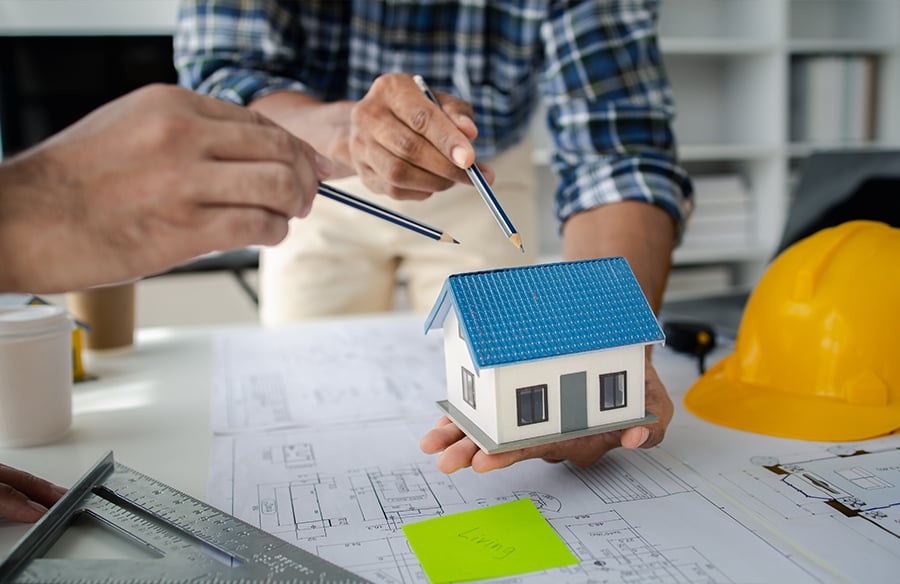
Home renovations are often driven by a desire for more space, better functionality, or a fresh aesthetic. A redesigned kitchen, an additional bedroom, or a landscaped outdoor area can make a home more enjoyable to live in while potentially increasing its market appeal.
But renovations can have consequences beyond appearance and resale value. Major improvements can also change the cost of rebuilding a property, introduce new maintenance requirements, and affect how well a home withstands everyday wear, weather, and unexpected damage.
For homeowners planning upgrades, the most successful renovation projects balance design, value, durability, and long-term protection.
Renovations Can Increase Property Value
Not every renovation produces the same financial return. Some upgrades have broad appeal to buyers, while others are highly dependent on personal taste, location, and the condition of the existing property.
Renovations that commonly improve marketability include:
- Kitchen updates
- Bathroom remodeling
- Additional bedrooms or living areas
- Energy-efficient windows and insulation
- Improved outdoor spaces
- Updated flooring and finishes
- Roof, plumbing, and electrical improvements
The key is often to improve areas that affect both appearance and functionality.
A well-planned kitchen renovation, for example, may make a property feel more modern while also improving storage, lighting, circulation, and energy efficiency. Similarly, replacing an aging roof may not transform the interior appearance of a home, but it can reassure future buyers that a major structural expense has already been addressed.
More Expensive Finishes Can Change Rebuilding Costs
Renovations can increase a home’s value without changing its physical size.
Replacing standard materials with premium alternatives can significantly increase the cost of restoring a property after major damage. Custom cabinetry, stone countertops, hardwood flooring, built-in furniture, specialty lighting, and high-end fixtures can all make a home more expensive to reconstruct.
For that reason, homeowners should keep records of major improvements, including:
- Contractor invoices
- Material receipts
- Before-and-after photographs
- Architectural plans
- Building permits
- Appliance and fixture documentation
These records can be useful for future buyers, contractors, appraisers, and anyone responsible for assessing the home’s value or replacement cost.
After substantial renovations, it can also make sense to review existing coverage and compare home insurance quotes based on the updated property rather than assuming the home’s previous level of protection still reflects its current condition.
Adding Space Changes More Than Square Footage
Extensions and additions are among the most significant renovations a homeowner can undertake.
Adding a bedroom, converting an attic, building above a garage, or extending a kitchen can increase usable floor space and potentially add considerable value. However, the quality of the addition matters just as much as the extra square footage.
A poorly integrated extension can make a house feel disjointed. A successful one should respond to the existing architecture through compatible proportions, materials, rooflines, and circulation.
Homeowners should also consider the practical effects of adding space. A larger property may require:
- Additional heating or cooling capacity
- Expanded electrical systems
- New plumbing
- More roofing and exterior maintenance
- Additional drainage planning
When new space is added properly, it becomes part of the overall architectural composition rather than appearing as an afterthought.
Kitchen Renovations Require More Than Visual Planning
The kitchen is one of the most design-intensive rooms in a home.
Cabinet styles, worktops, lighting, appliances, flooring, and color schemes often receive the most attention, but the systems behind the finishes are equally important.
A renovation may involve relocating sinks, adding electrical outlets, installing larger appliances, or changing ventilation. These decisions can affect plumbing, electrical demand, moisture control, and fire safety.
A beautiful kitchen should therefore be designed around performance as well as aesthetics.
Good planning may include:
- Proper ventilation around cooking areas
- Durable and water-resistant flooring
- Accessible plumbing shutoff points
- Adequate electrical capacity
- Appropriate spacing around heat-producing appliances
- Materials that can withstand regular cleaning and moisture
Designing these details correctly from the beginning can help prevent future repair costs.
Exterior Improvements Can Strengthen a Home
Some of the most valuable renovations happen outside the home.
Roofing, windows, siding, drainage systems, and landscaping play an important role in protecting the structure from the elements. These improvements may also improve energy performance and curb appeal.
For example, replacing damaged windows can reduce drafts and improve weather resistance. Updating gutters and drainage can help direct water away from foundations, while durable exterior cladding can reduce long-term maintenance.
Landscaping also deserves consideration as part of the home’s protective design.
Trees should be positioned and maintained carefully around buildings, while grading should direct rainwater away from the foundation. Hard landscaping should be designed so that paved surfaces do not unintentionally send water toward the property.
Exterior design is therefore not simply decorative. It forms part of the home’s first line of defense.
Outdoor Features Can Add Value and Responsibility
Decks, patios, pergolas, outdoor kitchens, pools, and landscaped entertaining areas can significantly change how a property is used.
These additions may be especially attractive in homes where indoor and outdoor living are closely connected. However, they also introduce additional structures and materials that require maintenance.
Homeowners should think about durability when choosing materials for outdoor spaces. Timber, masonry, metal, and composite materials all respond differently to sunlight, moisture, temperature changes, and regular use.
Safety should also be incorporated into the design. This may include appropriate lighting, secure railings, slip-resistant surfaces, safe pool barriers, and well-planned access routes.
The most successful outdoor renovations are those that look integrated with the architecture while remaining practical to maintain.
Renovations Should Be Designed for the Long Term
Trends can make a renovated property feel current, but overly fashionable design choices may date quickly.
Long-term value often comes from getting the fundamentals right.
That can mean prioritizing:
- Functional layouts
- Natural light
- Durable materials
- Efficient storage
- Good ventilation
- Quality construction
- Adaptable rooms
A flexible room, for example, might function as a home office today and a bedroom later. Neutral permanent finishes can also provide more flexibility than highly personalized fixed elements.
Designing for adaptability can help a renovation remain useful even as the household’s needs change.
Maintenance Is Part of the Renovation Decision
Every new material or feature creates some level of future maintenance.
Large glass walls may require regular cleaning. Natural stone may need sealing. Timber decking may require refinishing, while complex landscaping can demand ongoing care.
Before selecting a feature, homeowners should consider not only the installation cost but also its expected lifespan and maintenance requirements.
A renovation that is difficult or expensive to maintain may eventually become a burden, even if it looks impressive when first completed.
Choosing materials that suit the local climate and the homeowner’s lifestyle can help preserve both appearance and value.
Renovation Is About More Than Resale
It is easy to judge a renovation only by how much value it could add to the selling price of a home.
But a successful renovation can provide several types of value at once.
It can improve daily comfort, reduce maintenance problems, make spaces more functional, improve energy performance, and help protect the building itself.
The strongest renovation projects therefore combine visual design with practical planning. Homeowners who consider structure, materials, safety, maintenance, and long-term protection alongside aesthetics are more likely to create improvements that remain valuable for years to come.
Ultimately, good residential design is not simply about making a home look better. It is about making the property more useful, durable, resilient, and suited to the people who live there.