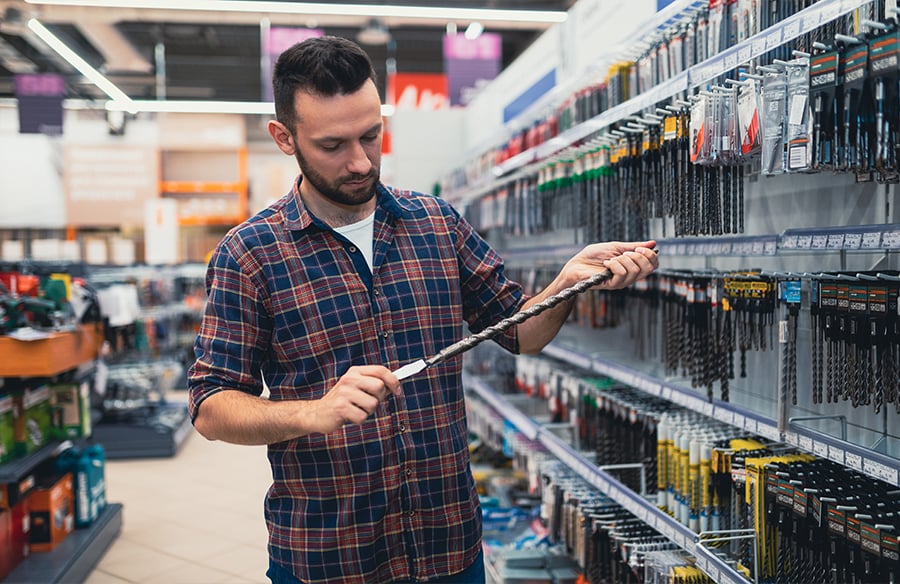
These tools are important for home repairs, DIY projects, and professional work. Since they look simple, you may think you can save money by buying the cheapest option. This can hurt you money-wise and time-wise because tools that are cheaper tend to lead to more problems. In this article, you’ll learn why problems with these implements can make things worse.
1. Poor Durability Leads To Frequent Replacements
Cheap tools are often made out of materials that are easy to see are of low quality. If they are used a lot for working and fixing things, they will bend, crack, and wear out quickly in general.
In architectural and design contexts, the integrity of materials is paramount, not just for the final structure but also for the instruments used to shape it. Substandard tools can compromise the finish and durability of building components, impacting the overall aesthetic and structural longevity of a project.
In that way, they might not even last a few years. Instead, they might only last a few projects before they break. This will cause you to buy replacements, and you will increase the total amount of money that you will pay.
2. Lower Precision Affects Your Work Quality
If you are cutting, measuring, or fastening items together with them, it is important that you are as accurate as you can be. However, these cheaper options will not always deliver the level of accuracy that is needed for work that requires close attention to detail.
Precision in measurement and fabrication is a cornerstone of quality design and construction. Whether crafting intricate joinery for custom furniture or ensuring the exact alignment of structural elements, the accuracy of the tools directly influences the integrity and visual appeal of the finished work.
It is much more likely that problems will occur when tools fail to function properly. This may result in the loss of materials and the expenditure of time to correct errors.
3. Limited Comfort During Use
Perhaps you are unaware of the significance that comfort plays in determining how effectively a tool functions. For longer projects, the handles on cheap tools are often not well-made, which can be uncomfortable.
If you do a lot of repairs or do-it-yourself projects, having tools that are too uncomfortable can slow you down and make your work more difficult. Over time, this can make even simple tasks feel more difficult than they actually should be.
4. Weak Materials Break Under Pressure
These implements are constructed to be durable and made to be used repeatedly over and over again. Plastics or metals that aren’t as strong and can’t handle tough jobs are used to make some cheap tools.
When you shop hand tools in Australia, you may notice that reliable tools stress how long they last and how strong the materials they are made of are. Tools that are stronger can take more force without breaking or changing shape.
5. Increased Risk Of Damage To Materials
Low-cost tools have the potential to cause damage to the materials that you are working with. For example, screwdrivers that aren’t working right could slip or strip screws as you use them.
This creates additional work and may require the replacement of broken components. With dependable tools, you can reduce this risk and ensure that your project materials remain secure.
6. Reduced Efficiency During Projects
Working with tools that never worked perfectly could make the project take longer. Slipping, bending, and broken tools will severely reduce your speed and quality of work. On the contrary, the availability of better quality tools can speed up the flow of your work many times. Normal, serviceable tools allow you to double productivity.
Investing In Tools That Truly Last
In conclusion, the choice of cheaper tools might seem like an attractive decision at first. However, more often than not, those tools will need to be replaced, repaired, or thrown away.
If you invest in reliable tools in the beginning, you can significantly enhance the quality of your work and your productivity levels. Ultimately, acquiring better tools can help you save time and money in the future.