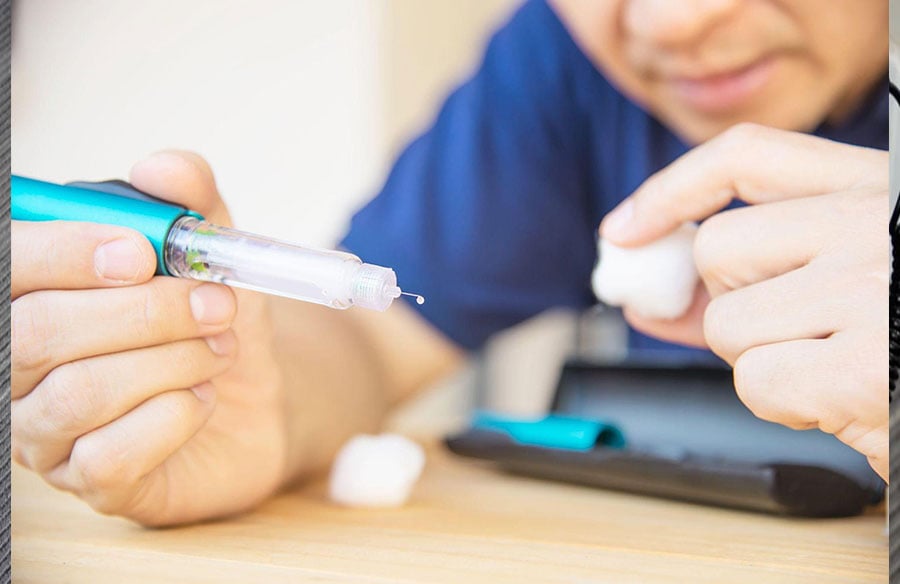
Wegovy is a prescription medication built around semaglutide, a drug that changes how the brain and digestive system respond to food. It is not a stimulant and it does not burn fat directly. Instead, it helps regulate appetite, makes smaller amounts of food feel more satisfying, and can reduce the constant mental pull toward eating. Over time, lower food intake can create the calorie deficit needed for weight loss.
The important point is that Wegovy is designed for ongoing treatment rather than a quick reset. Appetite can return if treatment is stopped, so the plan is usually discussed in terms of long-term health, not a short course before an event. The medicine works best as one part of broader lifestyle support, including nutrition, movement, sleep, and routines that are realistic enough to keep following.
How Wegovy Changes Appetite and Food Intake
Wegovy is classified as a GLP-1 receptor agonist. GLP-1 stands for glucagon like peptide 1, a natural hormone released after eating. By acting on the same receptors, it changes signals involved in hunger, fullness, and energy intake. The result is often less interest in large meals and less urgency to snack between them.
People do not all notice the effect in the same way. Some feel full much sooner, some simply think about food less often, and others notice that rich or very large meals become uncomfortable. Practical changes may include:
- feeling satisfied after a smaller portion;
- fewer strong hunger spikes between meals;
- less desire to continue eating after physical fullness appears;
- a lower overall food intake without having to count every bite.
Wegovy can also slow stomach emptying, particularly early in treatment. That can add to fullness, but it also helps explain nausea, bloating, or reflux after starting or after a dose increase. It is better to think of the drug as changing appetite biology rather than switching hunger off completely. Regular meals and adequate nutrition still matter.
Wegovy injections: Dosing and What the Schedule Looks Like
The classic form is a once weekly injection under the skin of the abdomen, thigh, or upper arm. In the U.S., it is supplied in a pre filled pen, and treatment usually starts at 0.25 mg weekly for four weeks before moving through 0.5 mg, 1 mg, 1.7 mg, and usually 2.4 mg. This once weekly semaglutide schedule rises slowly on purpose. It helps the body adjust and can make gastrointestinal adverse effects easier to manage.
For adults using the injectable form for weight reduction, 2.4 mg is the recommended maintenance dose, while 1.7 mg can be used depending on response and tolerability. Current U.S. labeling also allows certain adults who have tolerated 2.4 mg for at least four weeks to move to higher doses, up to 7.2 mg weekly, when additional weight reduction is clinically appropriate. That does not mean everyone should aim for the full dose. Dosing depends on benefit, side effects, and the reason for treatment.
A few routine details are easy to overlook:
- rotate injection areas instead of using exactly the same spot every week;
- the dose can generally be taken with or without food;
- do not combine Wegovy with another semaglutide product unless a clinician directs the switch;
- used needles or single-use devices should go into an appropriate sharps container.
Taking It on the Same Day
A weekly routine is easier to remember when the dose is attached to a fixed day, such as Sunday morning or Wednesday evening. The exact hour matters less than consistency, and the injection does not have to be tied to a meal. If the dosing day needs to change, follow the product instructions or ask the prescriber how much time should separate the doses.
What to Do After a Missed Dose
If a missed dose is remembered and the next scheduled dose is more than 48 hours away, the current U.S. label says it can be taken as soon as possible. If the next dose is less than 48 hours away, the missed injection should be skipped and treatment resumes on the regular day. After two or more consecutive missed injections, restarting at a lower step may be appropriate to reduce stomach-related side effects.
What Does Chronic Weight Management Actually Mean?
Wegovy received FDA approval in 2021 for long-term weight management. For adults, Wegovy is prescribed for patients with a BMI of 30 or higher, and it can also be prescribed from a BMI of 27 when there is at least one weight related medical problem. Examples include high blood pressure, type 2 diabetes, high cholesterol, or cardiovascular disease.
That distinction matters because the medication is not simply intended for anyone who wants to lose a few kilograms. The labeled population includes adults with obesity, as well as people with excess weight when another relevant health condition is present. Put another way, it can apply to adults with overweight and at least one weight-related condition. BMI is only one part of the decision, so medical history, other medicines, previous weight-management efforts, and treatment goals still matter.
Eligibility also does not predict an exact outcome. Having one weight related medical condition may help determine whether treatment fits the indication, but it does not tell anyone in advance how much weight they will lose. Response varies, and tolerability can influence how far the dose is increased.
Can Wegovy Help You Lose Weight and Keep It Off?
Many people lose a meaningful amount of body weight on semaglutide, but the number is not identical for everyone. In clinical trials used in the labeling, adults without diabetes receiving 2.4 mg Wegovy lost about 14.9% of starting body weight on average over 68 weeks, compared with about 2.4% in the placebo group. Those are group averages, not a promise of individual weight loss results.
The medication was not tested as a substitute for everyday habits. It is prescribed along with a reduced calorie eating plan and physical activity, and official labeling describes use with a reduced calorie diet and increased physical activity. In daily life, that does not require a perfect diet or extreme exercise. The more useful aim is to build eating and movement patterns that can support efforts to maintain weight loss.
Several things can shift the result:
- how strongly appetite responds to semaglutide;
- whether side effects limit dose escalation;
- food quality and portion size;
- physical activity and preservation of muscle;
- sleep, stress, other medicines, and medical conditions.
Is Wegovy a New Weight Loss Drug?
Wegovy may still feel new, but the FDA first approved it for weight management in June 2021. The FDA added a cardiovascular indication on March 8, 2024, allowing the injection to be used to reduce the risk of cardiovascular death, nonfatal heart attack, and nonfatal stroke in adults with established cardiovascular disease and either obesity or overweight. In July 2024, the UK’s MHRA separately approved Wegovy to reduce the risk of serious cardiovascular events in this population, which explains the July 2024 date often mentioned in summaries.
Heart Benefits Beyond the Scale
The cardiovascular indication is more specific than simply saying the drug is “good for the heart.” In the large outcomes study cited by the FDA, major cardiovascular events occurred in 6.5% of people receiving Wegovy and 8.0% of those receiving placebo, on top of standard medical care. The combined outcome included cardiovascular death, heart attack, and stroke in adults who already had cardiovascular disease and therefore an increased risk of future events.
That finding does not replace treatment for blood pressure, cholesterol, diabetes, smoking, or other cardiovascular risks. The exact mechanism behind the cardiovascular benefit has not been fully established, so it should not be assumed that every part of the effect comes only from weight loss. Someone taking Wegovy for this indication still needs ordinary cardiovascular care.
Wegovy Pill: What Changed in 2026
Wegovy is no longer injection-only in the United States. Current FDA labeling includes an oral tablet form for adults, using the same active ingredient, semaglutide, for weight reduction and cardiovascular risk reduction in the appropriate populations. The tablet is taken once daily on an empty stomach with a small amount of water, followed by at least 30 minutes before food, other drinks, or other oral medication.
The oral schedule is very different from the injection schedule. The current U.S. label begins at 1.5 mg daily, then moves through 4 mg and 9 mg before a 25 mg daily maintenance dose. Availability can still vary by country, pharmacy, and insurer, so a formulation listed in U.S. labeling may not be stocked or reimbursed everywhere.
Healthcare professionals researching international supply options may also come across Wegovy from Canada at Insulin.store when comparing product availability and pharmacy sources. As with any prescription medication, sourcing should involve verification of licensing, storage requirements, product authenticity, and applicable local regulations.
Ozempic, Rybelsus, and Wegovy are sometimes treated as if they are interchangeable because semaglutide appears across these brands. They are not interchangeable on a milligram-for-milligram basis. Brand, dose, approved indication, delivery method, and instructions differ even when the products contain semaglutide.
The Most Common Side Effects and What Helps
The effects reported most often are gastrointestinal: nausea, diarrhea, vomiting, constipation, stomach pain, bloating, indigestion, and reflux. Headache, fatigue, dizziness, and hair loss can also occur, and people with type 2 diabetes may experience low blood sugar, especially when semaglutide is used with insulin or medicines that increase insulin release. Symptoms can become more noticeable while the dose is being raised and may ease as treatment continues.
Simple habits can make the early weeks easier:
- eat smaller meals and stop when fullness arrives;
- choose lighter foods when rich or fatty meals worsen nausea;
- stay hydrated, especially after vomiting or diarrhea;
- avoid forcing a normal-size meal when appetite is clearly reduced;
- contact the prescriber if symptoms are severe, persistent, or prevent normal fluid intake.
There are less common but more serious adverse effects, including pancreatitis, gallbladder problems, kidney injury related to dehydration, and serious allergic reactions. Wegovy has a boxed warning about thyroid C-cell tumors seen in animal studies. It is unknown whether it causes these tumors in humans. Wegovy should not be used by people with a personal or family history of medullary thyroid cancer or multiple endocrine neoplasia syndrome type 2.
What Daily Life on Wegovy Can Feel Like
The first changes are often quieter than people expect. Someone may realize halfway through lunch that the usual portion suddenly feels too large, or notice that an evening snack no longer seems urgent. Weight can move slowly at first because the first dose is intentionally low, and the early weeks are more about tolerability than maximum appetite suppression.
A few habits are especially useful:
- include protein and nutrient-dense foods even when appetite is low;
- drink regularly instead of waiting until thirst is strong;
- keep moving, with resistance exercise where appropriate, to help preserve lean mass;
- watch for constipation before it becomes severe;
- track symptoms after each dose increase so patterns are easier to discuss with the prescriber.
Weight loss injections can make eating less easier, but eating too little can create fatigue, dehydration, inadequate protein intake, and loss of muscle. Reduced hunger should not turn into ignoring nutrition. The aim is to use the appetite change to make a sustainable routine easier, not to see how little food the body can tolerate.
Before Starting: What Is Worth Discussing With a Prescriber
A prescriber needs more than weight and BMI. It is useful to review diabetes treatment, previous pancreatitis or gallbladder disease, kidney problems, pregnancy plans, severe digestive symptoms, and any personal or family history relevant to the thyroid warning. People taking insulin or certain diabetes medicines may need extra glucose monitoring because adding semaglutide can change the risk of hypoglycemia.
It is also worth deciding what success means before treatment begins. Some people focus on kilograms, while others care about waist size, mobility, blood pressure, cholesterol, or being able to sustain ordinary physical activity with less strain. A medicine plan is easier to judge when there are several useful markers rather than one target number.