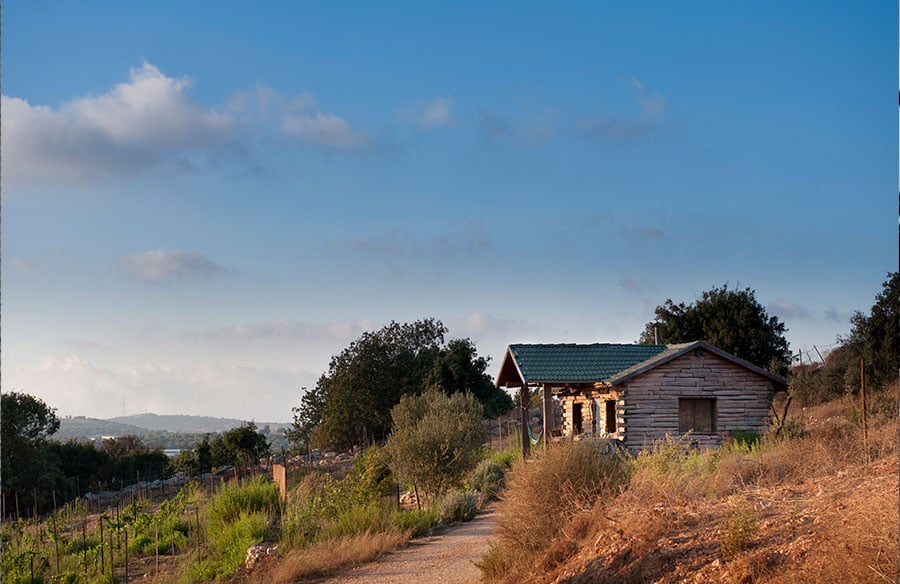
Full self sufficiency sounds appealing to a certain kind of buyer, a villa that generates its own power, sources its own water, and doesn’t depend on a strained municipal grid that occasionally struggles during peak summer demand. Some of the more secluded properties marketed among Algarve luxury villas lean into this idea heavily. The reality of pulling it off properly is considerably more complicated than a glossy brochure listing solar panels and a borehole tends to suggest.
The aesthetic integration of such systems into high-end residential design presents its own set of challenges, requiring careful planning to ensure functionality doesn’t compromise the visual appeal or architectural integrity of a luxury property. Architects and designers play a crucial role in translating these aspirational marketing images into practical, beautiful, and truly sustainable living spaces.
Power Is the Easier Half of the Problem
Solar generation combined with battery storage has genuinely matured to the point where a well designed system can reliably cover most of a villa’s electricity needs, especially given how much sun the region gets. Sizing the system correctly for actual usage, including air conditioning during the hottest weeks, remains the tricky part, and plenty of early off grid attempts undersized their battery capacity and ended up running a diesel backup generator more often than anyone wanted to admit publicly.
This precise engineering and spatial planning are central to sustainable architecture, where the performance of integrated systems must be meticulously calculated to meet demand while optimising energy efficiency and minimising environmental impact. The architectural brief for such a villa must therefore extend beyond aesthetics to encompass a detailed energy audit and a robust, future-proof system design.
Water Is Where Things Get Genuinely Difficult
A private borehole sounds like a clean solution until you factor in that groundwater levels across parts of the Algarve have been dropping due to the same drought conditions affecting municipal reservoirs. A borehole that produced reliable water five years ago isn’t guaranteed to keep doing so, and drilling deeper isn’t always possible or affordable depending on the local geology. Rainwater harvesting helps but can’t realistically cover a villa’s full water demand on its own, particularly through a long dry summer with a pool to maintain. Most genuinely functional independent properties end up running a hybrid system, borehole plus rainwater plus a municipal connection kept as backup, rather than achieving the complete independence the marketing photos imply.
Waste Treatment Nobody Wants to Discuss at a Viewing
Properties without a municipal sewage connection need their own treatment system, typically a septic tank or a more sophisticated package treatment plant. Poorly maintained systems can fail in ways that are both unpleasant and genuinely damaging to local groundwater, which matters considerably given how much a household already depends on that same groundwater for its own supply. This is unglamorous infrastructure that rarely comes up in a sales conversation, but it deserves real scrutiny from any serious buyer looking at a property without mains connection.
The Regulatory Side That Slows Everything Down
Portuguese authorities have gotten more careful about approving new boreholes and private waste systems as groundwater and environmental concerns have grown, meaning what used to be a fairly quick permitting process for a rural or secluded property now often involves genuine environmental assessment and, in some cases, denial if the local water table is already under pressure. Buyers assuming they can simply drill a new well wherever they like are increasingly finding that’s no longer a safe assumption to make.
What Actually Makes Sense for Most Buyers
Complete independence remains achievable but genuinely demanding, both in upfront cost and ongoing maintenance attention. A more realistic middle ground—strong solar generation, rainwater harvesting for irrigation, and a retained municipal connection for genuine backup—delivers most of the resilience benefit without relying entirely on systems that depend on unpredictable rainfall and a finite underground aquifer for a household’s water and power supply. Anyone drawn to the self-sufficiency pitch specifically should ask hard, specific questions about actual system capacity and recent groundwater testing, rather than taking a listing’s description of self sufficiency at face value.