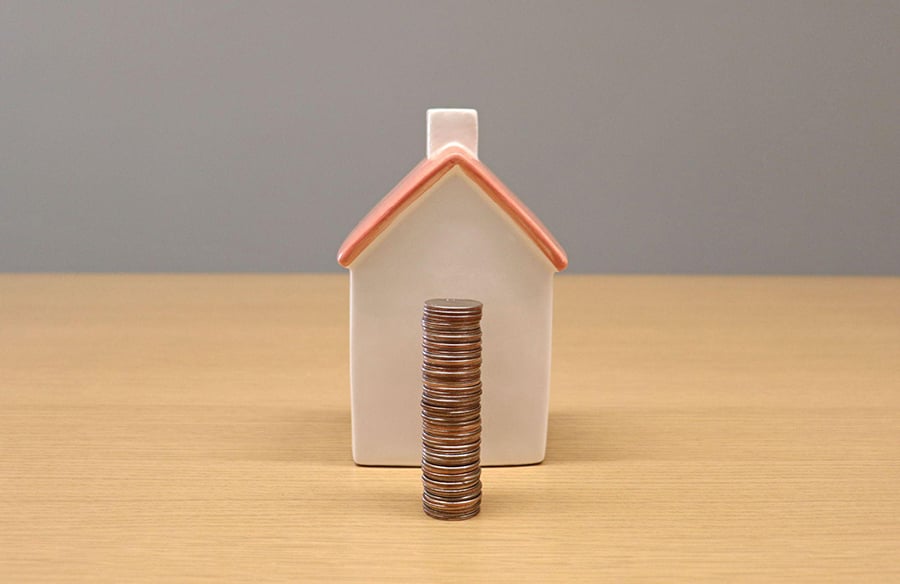
Home improvements can make a property more comfortable, but their financial value depends on what is improved, how much is spent, and what sort of value buyers expect in the local market. A costly renovation doesn’t automatically produce an equivalent increase in home value.
For equity-focused homeowners, projects are better evaluated as financial decisions as well as design choices. Property condition, neighborhood standards, likely resale value, and available funding all need to be considered before work begins.
Start With the Property’s Current Value
Before improvements are prioritized, the property’s current condition and estimated market value need to be understood. Recent sales of comparable homes can provide a useful reference point. Particular attention should be given to properties with a similar lot size, age, location, and number of bedrooms and bathrooms.
Existing weaknesses also need to be identified. An aging roof, damaged flooring, outdated electrical system, or poorly functioning kitchen can affect how the property is viewed by future buyers. In many cases, correcting a significant problem can be more valuable than adding a feature that is primarily decorative.
Local listings can also be reviewed to determine which features are commonly expected at the property’s price point. If renovated homes nearby generally have updated kitchens and efficient heating systems, those features can become useful benchmarks.
An appraisal or professional property assessment can provide additional context before a major renovation. With a realistic starting value established, the potential impact of each project can be evaluated more carefully.
Compare Cost With Potential Value
Renovation budgets are best considered alongside the value that could reasonably be added. Spending $40,000 on a project doesn’t mean $40,000 will automatically be added to the home’s market value. Some improvements provide a larger return on investment than others.
Before a project is approved, several factors should be taken into account:
- Estimated Project Cost: Materials, labor, permits, professional fees, and a contingency allowance should be included.
- Potential Value Added: Listings of comparable renovated properties can indicate what buyers are paying for similar improvements.
- Ownership Timeline: A renovation can provide years of practical use even when its full cost isn’t recovered at resale.
- Neighborhood Price Range: Spending significantly more on renovations than is typical for nearby properties may limit how much additional value buyers are willing to recognize.
Funding also deserves consideration. Should additional funding be required, options such as a home equity investment loan can be researched alongside other financing methods, with costs, terms, eligibility requirements, and their effect on household finances compared before a commitment is made.
Prioritize Improvements Buyers Notice
Projects connected to condition, function, and everyday use are often given greater weight than highly personal design choices. Kitchens, bathrooms, roofing, heating and cooling systems, flooring, and exterior condition can all shape how a home is evaluated.
A kitchen, for example, doesn’t necessarily need to be completely rebuilt. If the layout works well, worn countertops, damaged cabinet fronts, old fixtures, or inefficient lighting can be addressed individually. A focused $15,000 update can be more financially appropriate than a $60,000 redesign in a neighborhood where sale prices wouldn’t support the additional expense.
Several practical priorities should be considered:
- Repair water intrusion, structural problems, or damaged roofing before cosmetic work is started,
- Replace visibly worn materials that make the property appear poorly maintained,
- Renovate kitchens and bathrooms where outdated features affect function or aesthetics,
- Address heating, cooling, insulation, or window problems when efficiency is noticeably poor,
- Keep finishes broadly consistent with comparable homes in the area.
Keep Renovations in Line With Market Value
A renovation is more likely to support equity building when it suits both the property and it matches the surrounding market. Three factors should be taken into account before the final scope is approved.
Compare With Nearby Homes
Comparable properties can reveal the level of finishes that are in line with local prices. If nearby kitchens generally use durable midrange materials, premium imported stone and custom cabinetry might not generate enough additional resale value to justify their cost.
The goal isn’t to copy neighboring homes. Instead, improvements can be kept within a standard that buyers in that particular market are already prepared to pay for.
Protect Useful Space
Changes to the floor plan need to be considered carefully. Removing a bedroom to create a larger dressing room, for example, can improve comfort for the current owner while reducing the home’s appeal to buyers who need that bedroom.
Conversions are better assessed according to how future buyers are likely to use the property. Flexible rooms usually preserve more options than highly specialized spaces.
Avoid Excessive Customization
Distinctive finishes can be attractive, but expensive personalization doesn’t always translate into higher value. Unusual layouts, highly specific built-ins, or elaborate themed rooms can narrow the pool of interested buyers.
Neutral doesn’t have to mean plain. Quality materials and coherent design can still be selected without making expensive changes that future owners are likely to revisit.
Control the Budget From the Start
Even a well-selected improvement can become financially inefficient when its budget expands significantly during construction. A detailed scope of work should therefore be prepared before contractors are hired. Materials, labor, permits, demolition, disposal, and finishing costs need to be included.
Multiple written estimates can then be compared using the same project specifications. A quote of $28,000 and another of $35,000 can’t be compared accurately if different flooring, fixtures, or finishes have been included.
A contingency amount also needs to be reserved. Pre-insepction of older properties can reveal damaged wiring, plumbing problems, moisture, or structural issues after walls and floors. Without a reserve, these discoveries can force planned improvements to be scaled down or require additional financing.
Finally, records of permits, invoices, warranties, and completed work can be retained. Clear documentation can demonstrate that major improvements were completed properly and can provide useful information during a future appraisal or sale.
Build Equity With a Clear Renovation Plan
Home improvements can support equity when spending is tied to the property’s condition, local market, and realistic resale potential. The strongest plan is usually built around necessary repairs and broadly useful upgrades rather than the most expensive transformation available.
Careful budgeting matters just as much as project selection. When costs, comparable properties, contractor estimates, and future buyer expectations are reviewed together, renovation decisions can be made with a clearer understanding of their potential financial value.