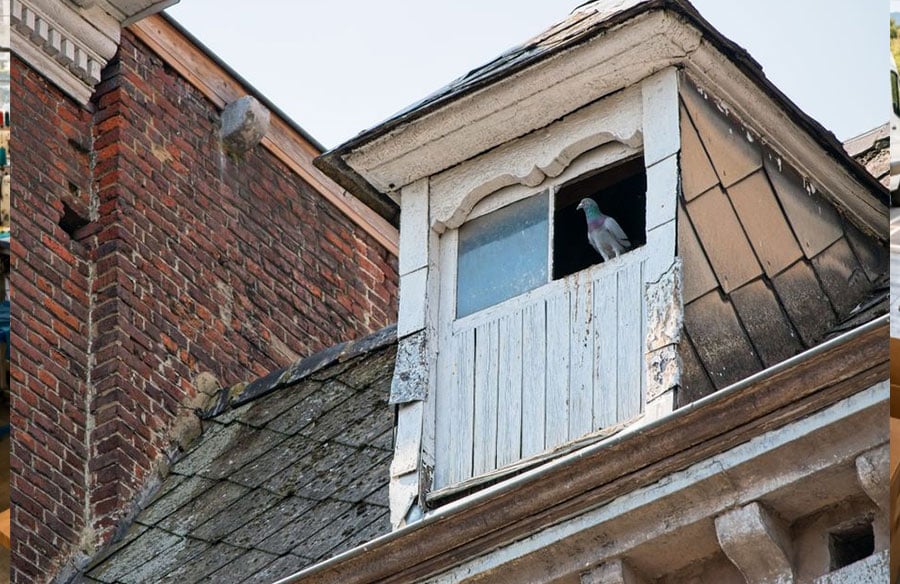
Living around wooded neighborhoods and suburban edges can make daily life in Center Point feel green and lively, but it also puts you closer to raccoons, squirrels, bats, and snakes looking for food or shelter. If an animal gets into your attic, crawl space, or walls, the problem can shift from mildly annoying to expensive fast. You need practical information, not panic, and a clear sense of what safe wildlife control actually involves.
The Real Risks Go Beyond Noise
It’s easy to think of wildlife problems as an inconvenience. The real issue is what happens after animals stay in your home for days or weeks. Damage builds quietly.
Chewed wiring can create fire hazards. Torn ductwork affects airflow and energy efficiency. Contaminated insulation loses effectiveness and may need full replacement. Animal waste can also carry bacteria, fungi, and parasites that affect indoor air quality.
There’s a structural angle too. Persistent entry through vents, fascia boards, or roof edges can weaken key parts of the home envelope. That matters if you care about durability, maintenance costs, and long-term property value.
If you’re dealing with recurring animal activity, professional wildlife removal in Center Point can help address not just the animal itself, but also the access points and conditions that allowed the problem to begin. Removal without prevention is basically a revolving door with fur.
Why Wild Animals End Up So Close to Your House
Wildlife usually isn’t trying to start drama. It’s responding to opportunity. Your roofline may offer warmth, your garbage may smell like dinner, and your crawl space may feel safer than the woods after heavy rain.
In suburban areas, animals adapt quickly. Raccoons learn how to pry open loose soffits. Squirrels treat roof gaps like VIP entry. Bats can squeeze through openings so small they barely seem real. Once inside, they don’t just pass through. They nest, leave waste, chew materials, and create noise that can turn a quiet night into a soundtrack of scratching and thumping.
Season also matters. Spring often brings nesting behavior, while colder months push animals toward warmth. If your home has weak points, local wildlife will find them with the determination of a very tiny building inspector.
Early Warning Signs You Shouldn’t Ignore
A wildlife issue rarely starts with a grand reveal. Usually, it begins with a few clues that seem easy to brush off. You might hear movement in the attic before sunrise or notice a strange smell near the vents.
Watch for these common signs:
– Scratching, scurrying, or thumping in walls or ceilings
– Droppings in the attic, garage, or around entry points
– Torn insulation or disturbed storage boxes
– Grease marks or fur near holes and vents
– Strong ammonia-like odors from urine buildup
– Pet agitation near one part of the house
The timing of the noise can tell you a lot. Nocturnal sounds often suggest raccoons or rodents, while daytime activity may point to squirrels. Small clues matter because delay gives animals more time to settle in, breed, and expand the damage footprint.
Why DIY Wildlife Removal Often Backfires
A lot of homeowners start with traps, repellents, bright lights, or loud noises. It sounds efficient. Sometimes it even works for a day or two. Then the animal returns, or another one takes its place.
DIY efforts often miss three key issues:
– The exact species involved
– The hidden entry route
– The possibility of babies in a nest
That last one matters a lot. Removing a mother animal while young remain inside can create a worse situation fast, including odor, noise, and animal welfare concerns. Some species are also protected by law or require handling methods that reduce harm.
Store-bought deterrents tend to overpromise. Strong smells, ultrasonic devices, and casual patch jobs rarely solve a full infestation. If anything, they can push animals deeper into walls or into a different part of the house, which is not the kind of home improvement project you want.
What Professional Wildlife Control Usually Includes
Good wildlife control is more than trapping and leaving. It should follow a full process that deals with the cause, the cleanup, and the prevention strategy.
A professional service often includes:
– Inspection of the roof, attic, crawl space, and exterior gaps
– Identification of the species and nesting behavior
– Humane removal or exclusion methods
– Sealing entry points to prevent re-entry
– Cleanup of droppings, nesting material, and contamination
– Recommendations for repairs and future prevention
Exclusion work is especially important. One-way doors, vent covers, chimney caps, and reinforced sealing can stop re-entry without creating unnecessary harm. The best results come from treating the house like a system, not just a site with one random hole.
That systems-based approach matters if you’re interested in how homes actually perform over time. Wildlife control overlaps with building maintenance more than many people realize.
How Design and Maintenance Affect Wildlife Problems
Animals exploit weak design details and neglected upkeep. A loose soffit, damaged roof vent, untrimmed tree branch, or uncovered crawl space opening can become an invitation.
If you want to reduce risk, focus on the building exterior first. Trim branches away from the roofline. Repair rotten wood. Secure garbage lids. Check for gaps where utilities enter the house. Install screens over vents where appropriate.
This is where architecture and everyday maintenance intersect. Tiny envelope failures can lead to very non-tiny problems. A house may look fine from the driveway while hiding entry points high along the eaves or behind landscaping.
Think in layers:
– Roof and attic openings
– Foundation vents and crawl spaces
– Chimneys and utility penetrations
– Food and water sources outdoors
– Dense vegetation close to the structure
The goal isn’t making your home feel like a bunker. It’s making it less attractive than the alternatives nearby.
Choosing the Right Help Without Guesswork
Not every service provider approaches wildlife issues with the same level of care. You want someone who understands animal behavior, home construction, and safe exclusion methods.
When comparing options, ask practical questions:
– What species do you think is present?
– How will you confirm entry points?
– Do you handle cleanup and sanitation?
– What exclusion repairs are included?
– Is there a warranty on sealed areas?
– How do you handle nesting seasons or dependent young?
You should also look for clear communication. A reliable professional explains the problem in plain language, outlines the steps, and avoids vague promises. If someone only talks about trapping and not prevention, that’s a red flag.
The best help feels specific, not scripted. Your house, your neighborhood conditions, and the species involved all shape the right solution.