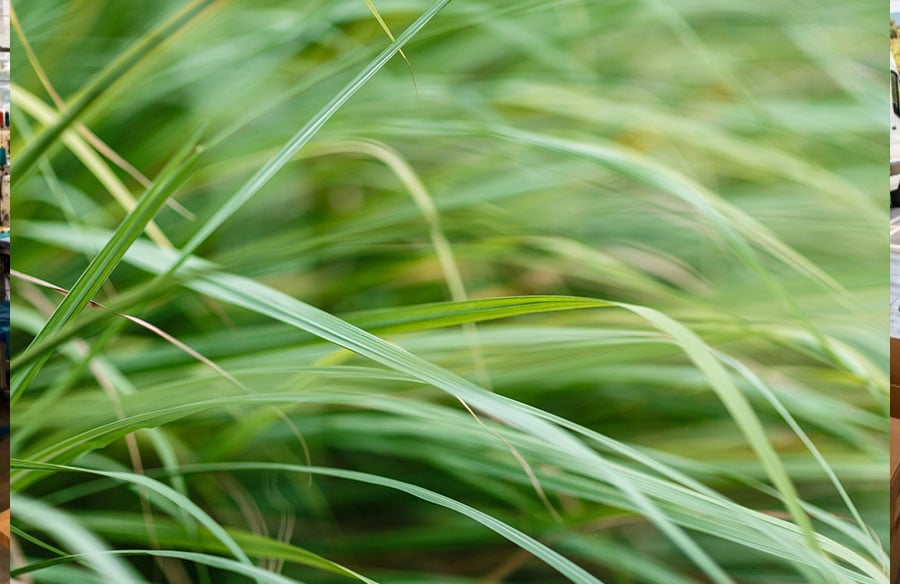
If you’ve searched for “Lyposingrass” recently, you’ve probably noticed something strange: every article seems to describe a completely different plant. Some call it a tropical wellness grass related to lemongrass. Others describe it as an ornamental ground cover related to lilyturf. A few even throw in nutritional breakdowns and health claims with no clear source behind them. So what is Lyposingrass, really?
Lyposingrass: Why the Name Doesn’t Match Up to One Real Plant
Here’s the honest answer: “Lyposingrass” isn’t a recognized botanical or common name in horticultural or scientific literature. It appears to have emerged recently as a trending search term, and various content sites have since attached it to different, unrelated plants sometimes describing it as a variety of lemongrass (Cymbopogon citratus), other times as a type of Liriope (commonly known as monkey grass or lilyturf), and occasionally as an entirely generic “wellness grass” with invented nutritional statistics.
If you came across this term while researching ornamental grasses and ground covers for your garden, it’s worth knowing that “Lyposingrass” itself isn’t something you’ll find in a nursery catalog or plant encyclopedia. What’s actually useful, though, is understanding the two real plants most often associated with the name because both are genuinely worth knowing about.
The Real Plant #1: Lemongrass
Lemongrass (Cymbopogon citratus) is a well-documented perennial grass native to tropical Asia, and it’s one of the plants most frequently mislabeled as “Lyposingrass” online.
What’s actually true about lemongrass:
- It’s a tall, clumping grass with narrow, aromatic leaves that release a citrus scent when crushed
- It’s widely used in Southeast Asian cooking, particularly in Thai and Vietnamese cuisine
- It’s a traditional ingredient in herbal teas across many cultures, valued for its flavor as much as its aroma
- It grows best in full sun with well-drained soil, and thrives in warm, humid climates
Lemongrass belongs to a broader category of medical plants used in traditional and folk medicine practices around the world herbs like chamomile, peppermint, and ginger fall into this same category, valued historically for home remedies long before modern pharmaceuticals existed. That said, specific health claims about any medical plant, including lemongrass, should be verified with a healthcare provider rather than taken from search-optimized articles, since dosage, interactions, and actual clinical evidence vary widely and are often overstated online.
The Real Plant #2: Liriope (Monkey Grass)
The other plant frequently mislabeled as “Lyposingrass” is Liriope, an ornamental ground cover also known as monkey grass or lilyturf.
What’s actually true about Liriope:
- It’s not a true grass at all botanically, it belongs to the Asparagaceae family, related to asparagus and agapanthus
- It has glossy, ribbon-like evergreen leaves and produces small purple flower spikes
- It’s prized by gardeners for being extremely low-maintenance, tolerating shade, poor soil, and drought once established
- It spreads readily, making it a popular ground cover along walkways and garden borders
Unlike lemongrass, Liriope has no culinary or medicinal use — its value is purely ornamental and functional as a landscaping plant.
How to Tell the Difference
If you’re trying to figure out which plant an article is actually describing when it says “Lyposingrass,” a few quick clues can help:
- If the article talks about cooking, tea, or citrus scent it’s almost certainly describing lemongrass
- If the article talks about ground cover, shade tolerance, or purple flower spikes it’s describing Liriope
- If the article includes specific nutritional numbers, weight-loss claims, or “superfood” language with no cited source treat it with skepticism, since this pattern is common in AI-generated or low-quality content designed purely to rank for trending search terms rather than inform readers
Growing Lemongrass at Home
If lemongrass is the plant you’re actually after, here’s what it needs:
- Sunlight: full sun, at least 6 hours a day
- Soil: rich, well-drained soil with regular watering
- Climate: thrives outdoors in warm climates (USDA zones 9-11), but can be grown in containers and brought indoors in colder regions
- Harvesting: stalks can be cut once they reach about 12 inches, with the lower, thicker portion used for cooking
Growing Liriope at Home
If you’re actually looking for the ornamental ground cover, here’s what to know:
- Sunlight: tolerates full sun to full shade, making it one of the more versatile ground covers available
- Soil: adapts to a wide range of soil types, including clay and sandy soil
- Maintenance: extremely low-maintenance once established, requiring minimal watering or fertilizing
- Use: commonly planted along borders, pathways, or as an alternative to traditional lawn in shaded areas
Bringing Either Plant Into Your Home Decor
Beyond the garden, both plants have decor applications worth considering:
- Fresh lemongrass stalks can be displayed in a simple vase in the kitchen, doubling as both a decorative element and a ready-to-use cooking ingredient
- Potted Liriope works well as an indoor-outdoor transitional plant near entryways, offering year-round greenery with minimal upkeep
- Dried lemongrass stalks are sometimes used in rustic, botanical-themed arrangements for their texture and subtle fragrance
Final Thoughts
“Lyposingrass” is a good reminder to look closely at where your gardening and wellness information comes from. While the term itself doesn’t correspond to a real, established plant, the two plants most often mislabeled with this name lemongrass and Liriope are both genuinely useful additions to a home or garden, each for very different reasons.
For more grounded, accurate guidance on choosing and styling plants throughout your home, explore Yourhomify’s plant and decor guides for ideas that go beyond trending search terms.