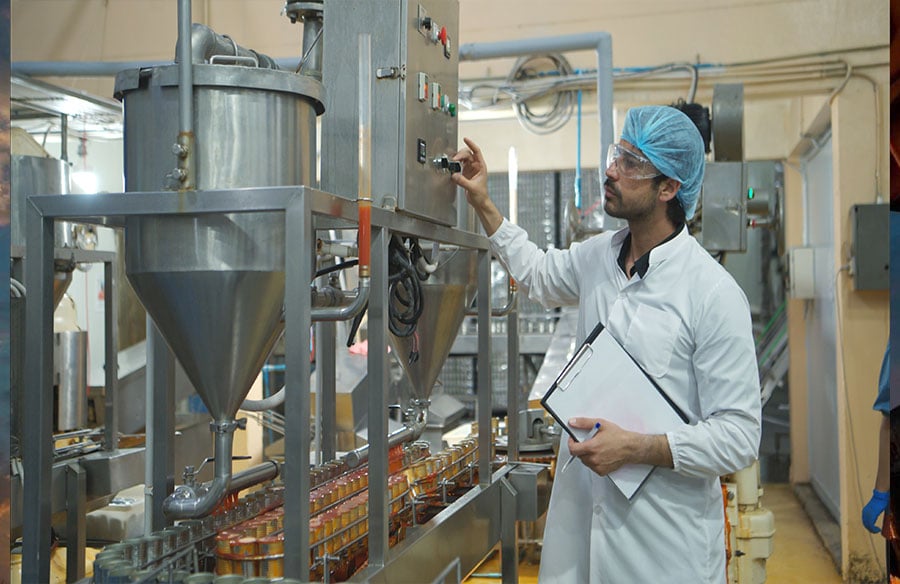
Dry ingredient handling affects production rate, recipe accuracy, workplace safety, and product quality. Problems often begin with a mismatch between material behavior and equipment selection. Powders may bridge inside hoppers, release airborne particles, or feed unevenly into a mixer. Granules can segregate, fracture, or create excessive wear during transfer. Addressing these issues early keeps the entire system running at its intended speed.
Selecting the right dry ingredient handling equipment starts with measurable material data, then connects storage, feeding, conveying, weighing, and discharge points into one coordinated arrangement. The sections below cover the main areas that influence throughput and long-term reliability. Getting each step right from the start reduces rework and unexpected slowdowns.
Start With Material Data
Before selecting equipment, production teams should document particle size, bulk density, moisture content, temperature, abrasiveness, and flow behavior. Powdered sugar, flour, grains, flakes, and mineral additives respond differently inside storage vessels. Testing should also reflect batch volume, transfer distance, storage duration, and required feed rate. These findings help engineers select suitable vessel shapes, outlet sizes, feeder types, and conveying speeds while reducing startup problems and avoidable downtime.
Match Feeders to Flow Behavior
A feeder must regulate material movement without causing surging or starvation. Screw feeders suit many powders and granules, particularly where controlled delivery matters. Vibratory units often perform well with free-flowing ingredients that need gentle movement. Gravimetric models monitor mass during operation, while volumetric versions depend on stable bulk density. The correct choice improves recipe control, limits rework, and maintains consistent delivery throughout each batch.
Connect Transfer Routes Efficiently
Conveyor selection should reflect distance, elevation, product sensitivity, and available floor space. Belt units handle many dry materials across moderate routes. Screw conveyors fit compact layouts and vertical rises. Chain systems can move heavy or abrasive loads with controlled motion. Tubular drag conveyors contain fine ingredients during longer transfers. Fewer transfer points generally reduce spillage, product breakage, cleaning time, and power consumption across the facility.
Control Dust at Source
Dust control begins where bags open, ingredients enter vessels, or transfers occur. Bag dump stations may include screening, magnetic separation, and local extraction. Cartridge collectors or baghouses remove airborne particles from process areas. Enclosed conveyors help contain fine material during movement. Proper airflow also protects load cells, sensors, motors, and nearby surfaces from deposits. Capturing particles at their release point usually outperforms relying on general room ventilation. Federal guidelines on dust exposure also outline recommended limits for airborne particles in work environments.
Protect Product Quality
Dry ingredients can absorb moisture, collect foreign material, or degrade under excessive impact. Storage vessels need suitable seals, accessible inspection points, and dependable level monitoring. Transfer speeds should reflect particle fragility and shape. Magnets and sifters can remove metal fragments or oversized pieces before mixing. Food, pharmaceutical, and nutritional applications also require compatible materials and finishes that withstand established sanitation procedures.
Plan Weighing and Batching
Accurate batching depends on stable feeding, properly supported vessels, and correctly rated load cells. Minor ingredients may need separate weigh hoppers, while bulk components can discharge into a central vessel. Controls should account for material drop time and feeder shutdown delay. Calibration intervals must reflect vibration, usage, and environmental conditions. Better batch control reduces giveaway, protects formula accuracy, and lets teams compare actual output with planned production.
Design for Cleaning
Sanitation becomes more practical when equipment includes accessible inspection points, smooth internal surfaces, and limited dead zones. Removable sections can shorten recipe changeovers. Closed transfer paths reduce exposure during handling, while cleanout ports reach areas that would otherwise remain difficult to inspect. Layouts should provide sufficient clearance for operators and service personnel. A clear cleaning procedure lowers downtime and supports safer work without adding unnecessary labor to every batch.
Build Service Access
Maintenance access should shape the layout before installation starts. Motors, bearings, valves, filters, and sensors require safe working clearance. Spare parts should match common wear points, especially in abrasive applications. Inspection schedules can track vibration, belt condition, screw wear, filter pressure, and feeder accuracy. Early detection prevents minor defects from causing extended outages. Service planning also gives operators clear responsibility for routine checks and escalation.
Measure Throughput Results
Performance reviews should compare target rates with actual production data. Useful measures include pounds per hour, batch duration, feeder accuracy, transfer losses, cleaning time, and unplanned stops. These figures show whether restrictions occur in storage, feeding, conveying, or discharge. Teams can then adjust settings or replace a limiting component. Regular measurement keeps improvement work tied to evidence instead of assumptions and strengthens future investment decisions.
Allow Future Changes
Production requirements may shift after installation. New recipes, larger batches, additional ingredients, or revised packaging lines can alter equipment demands. Engineers should reserve space for extra storage, spare connections, and control upgrades where practical. Modular conveyors and flexible feeder arrangements can reduce later construction work. Planning for reasonable expansion protects the initial investment and helps facilities respond to demand without replacing every major component.
Conclusion
Higher throughput comes from coordination, rather than one oversized machine. Material testing, suitable feeders, efficient conveyors, dust capture, accurate weighing, and accessible service points must function together. Facilities that track performance can identify restrictions and make targeted corrections over time. Careful planning also supports sanitation, worker protection, and product consistency. Selecting equipment according to material behavior gives manufacturers a steadier process, fewer interruptions, and more predictable production results.