A damaged roof often raises one immediate question. Do you repair the problem or replace the entire roof?
The answer affects your budget, your home’s protection, and future maintenance costs. A small leak might need a straightforward repair. Widespread deterioration might point toward replacement. Choosing too quickly often leads to unnecessary expenses or repeated roofing work.
Understanding roof repair vs roof replacement starts with looking at the roof’s age, condition, damage, and expected lifespan. A professional roof damage assessment also helps you make a decision based on evidence rather than appearance alone.
Understanding Roof Repair vs. Roof Replacement
Roof repair addresses specific problems while keeping most of the existing roofing system intact. Replacement involves removing old roofing materials and installing a new system.
What Does Roof Repair Involve?
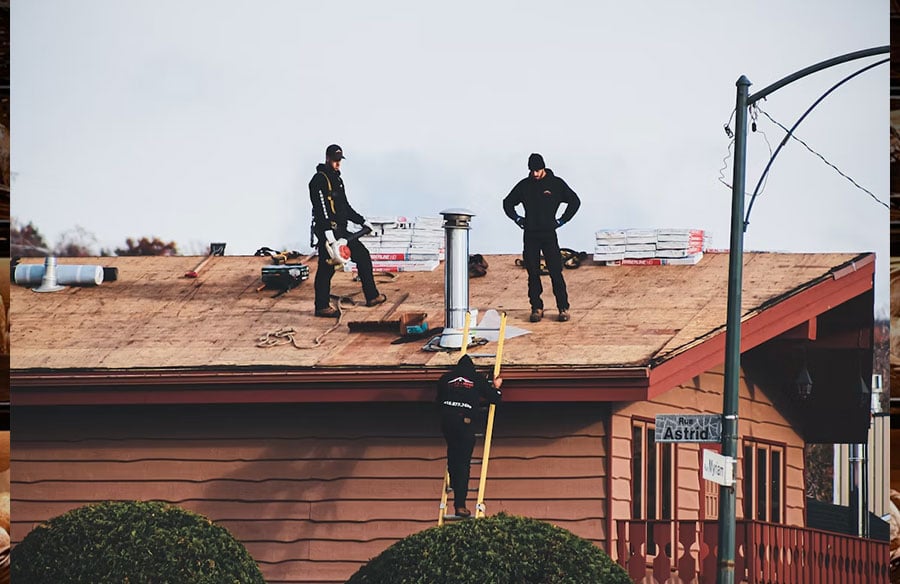
Repairs often address isolated damage such as cracked shingles, damaged flashing, small leaks, or missing roofing materials. Contractors inspect the affected section, identify the source, and repair the damaged components.
For a younger roof in good overall condition, targeted repairs often provide the practical choice.
What Does Roof Replacement Involve?
Replacement becomes relevant when deterioration affects a large portion of the roofing system. Contractors remove aging materials, inspect the underlying structure, address damaged decking where needed, and install new roofing materials.
Replacement requires a larger upfront investment. In return, homeowners receive a renewed roofing system with a fresh expected service life.
Common Roof Repair Signs Homeowners Should Watch For
Not every roofing problem requires replacement. Several roof repair signs suggest localized work deserves consideration first.
Missing, Cracked, or Damaged Shingles
A few missing or cracked shingles often result from wind, hail, falling debris, or normal wear. If surrounding shingles remain secure and healthy, replacing the affected materials often solves the problem.
Storms require extra attention because surface damage does not always reveal the full extent of a roofing problem. Homeowners dealing with localized storm-related issues often research services such as hail damage roof repair in Kankakee County, IL when learning how professionals inspect and address hail damage.
Minor Roof Leaks and Water Damage
A small leak around a vent, chimney, or flashing point might require a focused repair. Early action matters. Water entering through a minor opening might eventually damage insulation, ceilings, decking, and other building materials.
Look for ceiling stains, damp attic materials, peeling paint, or moisture near roof penetrations.
Damage Limited to a Small Area
Localized damage usually supports repair when the rest of the roof remains sound. A roofing professional should still inspect nearby materials before work begins. Damage sometimes extends beyond the area visible from ground level.
Roof Replacement Signs That Point to a Larger Problem
Repair loses value when problems appear throughout the roofing system. Recognizing roof replacement signs helps homeowners avoid paying repeatedly for temporary fixes.
Widespread or Recurring Roof Leaks
Multiple leaks suggest a broader issue. Repeated repairs also deserve attention. If new leaks continue appearing after previous work, replacement might offer better long-term value.
Sagging or Structural Roof Damage
A sagging roof needs prompt professional inspection. Moisture, deteriorated decking, or structural problems might contribute to visible changes in the roofline.
Avoid walking on a roof with suspected structural damage. A qualified contractor should assess the condition safely.
An Aging Roof Nearing the End of Its Lifespan
Roofing materials have different expected service lives. Installation quality, ventilation, maintenance, weather exposure, and material type all influence longevity.
Age alone does not determine when to replace a roof. Age combined with widespread wear, leaks, granule loss, or damaged shingles provides stronger evidence.
When to Repair a Roof Instead of Replacing It
Knowing when to repair a roof depends on more than repair price.
Repair often makes sense when the roof has years of expected service life remaining, the damage affects a limited area, and the underlying structure stays healthy. A contractor should also determine whether new materials will integrate properly with the existing system.
Consider how often repairs have occurred. One isolated problem differs from several repairs within a short period.
When to Replace a Roof Instead of Repairing It
Replacement deserves consideration when damage affects multiple sections or when deterioration has reached the underlying roofing components.
Storm damage sometimes creates this situation. High winds, hail, and falling debris might affect shingles, flashing, vents, gutters, and decking during one weather event. Homeowners comparing roofing storm damage repair companies like N & I Roofing should look for thorough inspections that evaluate the entire roofing system instead of focusing only on visible surface damage.
Replacement also becomes more practical when recurring repairs approach a meaningful portion of the cost of a new roof.
Roof Repair Cost vs. Roof Replacement Cost
Cost often drives the roof repair or replacement decision, but the lowest immediate price does not always produce the lowest long-term expense.
Factors That Affect Roof Repair Cost
Roof repair cost varies based on the damaged area, roofing material, roof pitch, accessibility, labor requirements, and underlying damage.
A simple shingle repair costs less than work involving damaged decking or extensive water intrusion.
Factors That Affect Roof Replacement Cost
Roof replacement cost depends on roof size, material choice, labor, removal requirements, structural repairs, and installation complexity.
Get a detailed estimate before making your decision. The estimate should explain the proposed work, materials, and related costs.
How a Professional Roof Damage Assessment Helps
A roof damage assessment provides information you rarely get from a ground-level inspection.
Roofing professionals examine shingles, flashing, vents, valleys, gutters, decking, and other components. They also look for moisture intrusion and signs of previous repairs.
An assessment should answer three practical questions. Where is the damage? How extensive is the problem? How much useful life does the existing roof have left?
Those answers help you compare repair expenses against replacement value.
What Roof Replacement Options Should Homeowners Consider?
Your roof replacement options depend on budget, home design, maintenance expectations, and preferred lifespan.
Asphalt shingles remain common for residential properties because they offer several styles and price ranges. Other systems provide different durability, maintenance, and installation requirements.
Avoid choosing materials based on price alone. Review manufacturer specifications, warranty terms, expected lifespan, and maintenance needs before selecting a system.
Why Professional Residential Roofing Services Matter
Roofing work affects more than shingles. Flashing, ventilation, underlayment, decking, drainage, and installation methods all influence performance.
Experienced residential roofing services should start with an inspection. Ask the contractor to explain findings and show relevant damage where safe and practical.
Request a written scope of work as well. Clear documentation helps you understand what needs attention and prevents confusion once work begins.
Roof Repair vs. Roof Replacement: Which Choice Makes Sense for Your Home?
The right choice depends on the condition of your entire roofing system.
Choose repair when damage stays localized and the remaining roof retains substantial service life. Consider replacement when deterioration spreads across multiple areas, structural components show damage, leaks keep returning, or the roof approaches the end of its expected lifespan.
Start with a professional inspection. Ask for photos, review the findings, and compare the expected life of a repair with the value of replacement. Get more than one estimate for major work when practical.
A careful decision today helps protect your home while keeping future roofing expenses under control.