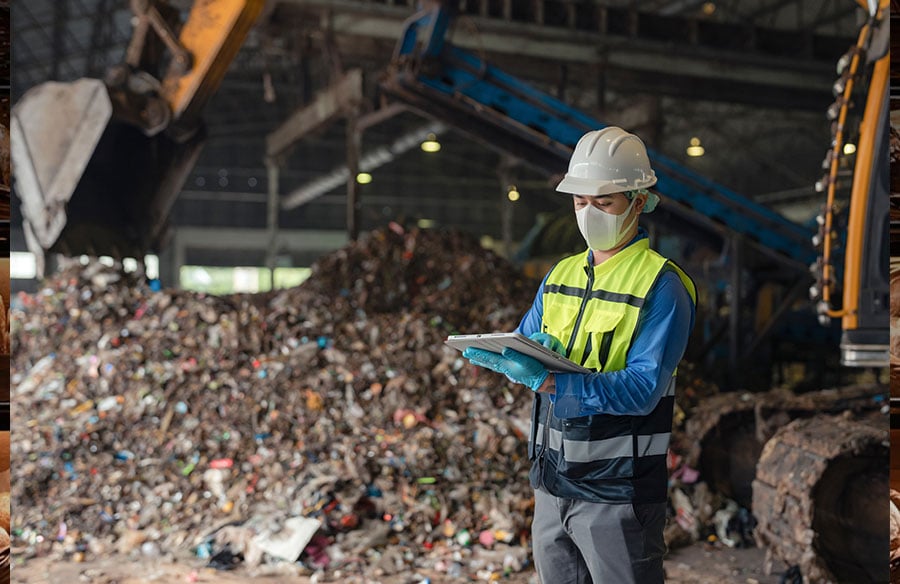
Industrial facilities generate many different types of waste during manufacturing, construction, processing, maintenance, and daily operations. Managing that waste properly is essential for maintaining a safe workplace, protecting the environment, and keeping business operations organized.
Professional industrial waste management can help companies identify, collect, transport, treat, recycle, and dispose of waste according to the requirements that apply to their operations.
What Is Industrial Waste Management?
Industrial waste management is the organized process of handling waste generated by industrial and commercial activities.
Depending on the facility, waste may include:
- Manufacturing byproducts
- Used oils
- Solvents
- Scrap metal
- Contaminated materials
- Packaging
- Sludge
- Chemical waste
- Construction debris
- Electronic waste
- Wastewater
- Non-hazardous solid waste
The appropriate management method depends on the type of waste and the facility’s operations.
Why Proper Waste Management Matters
Poorly managed industrial waste can create safety, environmental, and operational problems.
Waste that is improperly stored or handled can potentially result in:
- Workplace hazards
- Environmental contamination
- Unnecessary disposal costs
- Regulatory problems
- Odors and unsanitary conditions
- Drainage or soil contamination
- Disruptions to business operations
A structured waste-management program allows businesses to understand what they generate and establish appropriate procedures for handling it.
Hazardous and Non-Hazardous Waste
One of the first steps in industrial waste management is determining whether waste is hazardous or non-hazardous.
Hazardous waste may have characteristics such as toxicity, corrosivity, ignitability, or reactivity. Certain industrial chemicals, solvents, fuels, and contaminated materials may fall into regulated waste categories.
Non-hazardous waste can include materials such as ordinary packaging, certain manufacturing debris, and other materials that do not meet hazardous-waste criteria.
Proper classification is important because different waste streams can have different storage, transportation, treatment, and disposal requirements.
Industrial Waste Collection
Professional industrial waste collection services can help businesses establish dedicated collection processes for different waste streams.
Depending on the facility, collection may involve:
- Drums
- Roll-off containers
- Dumpsters
- Tanks
- Specialized containers
- Vacuum equipment
Keeping waste streams separated can make recycling and disposal more efficient while reducing the possibility of incompatible materials being mixed.
Hazardous Waste Management
Hazardous waste requires particular attention because improper handling can create risks for employees and the environment.
Businesses should have procedures for:
- Identifying hazardous materials
- Proper container selection
- Labeling
- Storage
- Spill prevention
- Transportation
- Disposal
- Recordkeeping
Employees who handle hazardous waste should also receive appropriate training based on their responsibilities.
Industrial Recycling
Not every industrial waste stream needs to go directly to disposal.
Many businesses can recover useful materials through industrial recycling programs.
Potential recyclable materials include:
- Cardboard
- Paper
- Scrap metal
- Certain plastics
- Wood
- Electronics
- Manufacturing materials
Recycling can reduce the amount of waste sent to disposal facilities while potentially lowering waste-management costs.
Used Oil and Petroleum Waste
Industrial operations frequently generate used oil and petroleum-based waste.
Automotive facilities, manufacturing plants, transportation companies, and equipment operators may generate:
- Used motor oil
- Hydraulic fluid
- Gear oil
- Diesel
- Oily water
- Oil-contaminated materials
Specialized used oil disposal services can collect these materials and route them through appropriate recycling, treatment, or disposal processes.
Businesses should avoid pouring used oil or petroleum products into drains, onto soil, or into ordinary trash.
Industrial Spill Response
Waste management and spill response can overlap when an industrial facility experiences a chemical, fuel, or oil release.
A spill can create contaminated materials that must be collected and managed appropriately.
Professional industrial spill cleanup may include:
- Assessing the release
- Securing the affected area
- Containing the material
- Recovering spilled product
- Removing contaminated materials
- Cleaning affected surfaces
- Managing resulting waste
Quick response can help prevent contaminants from spreading to other areas of a facility.
Industrial Wastewater Management
Some facilities generate wastewater as part of manufacturing or cleaning processes.
Industrial wastewater may contain substances that require treatment before discharge or disposal.
A professional waste-management program can help businesses identify wastewater streams and determine appropriate handling procedures based on applicable requirements.
Facilities should never assume that industrial wastewater can be discharged through ordinary drains without first determining whether the discharge is permitted.
Waste Transportation and Disposal
Once industrial waste has been collected, it needs to reach an appropriate treatment, recycling, or disposal facility.
Professional industrial waste disposal services can coordinate transportation and disposal for different waste streams.
Businesses should work with qualified providers and maintain appropriate documentation showing where regulated waste was transported and how it was handled.
Creating an Industrial Waste Management Plan
A written plan can make waste handling much more consistent.
A practical plan should identify:
Waste Streams
Determine what types of waste the facility generates.
Storage Areas
Establish designated locations for temporary waste storage.
Containers
Use appropriate containers for each waste stream.
Labeling
Clearly identify containers and their contents where required.
Collection Schedule
Determine how frequently waste needs to be removed.
Recycling Opportunities
Identify materials that can be reused or recycled.
Emergency Procedures
Establish procedures for spills, leaks, damaged containers, and other incidents.
Documentation
Maintain appropriate records related to waste generation, transportation, recycling, treatment, and disposal.
Choosing an Industrial Waste Management Company
When selecting an industrial waste management company, businesses should consider:
- Experience with their specific industry
- Hazardous and non-hazardous waste capabilities
- Recycling options
- Emergency response availability
- Transportation capabilities
- Proper documentation
- Employee training
- Insurance and credentials
- Service area
- Clear pricing
The best provider is not necessarily the cheapest. A company with experience managing the specific waste streams generated by your facility can help create a more effective program.
Reduce Waste at the Source
Waste management isn’t only about disposal. Businesses can also look for opportunities to reduce how much waste they generate.
Strategies may include:
- Reusing materials
- Improving inventory management
- Reducing unnecessary packaging
- Recycling scrap
- Improving production efficiency
- Using longer-lasting materials
- Identifying recurring waste sources
Reducing waste at the source can lower disposal volumes and potentially reduce operating costs.
Conclusion
Effective industrial waste management is an important part of running a safe and efficient facility. From everyday manufacturing waste and scrap materials to used oils, chemicals, contaminated materials, and industrial wastewater, each waste stream should be handled according to its characteristics and applicable requirements.
By properly classifying waste, separating materials, recycling whenever practical, responding quickly to spills, and partnering with an experienced waste-management provider, businesses can maintain better control over their waste while reducing unnecessary environmental and operational risks.