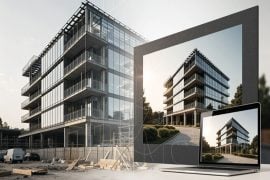
Architecture has always moved with technology. New materials, better engineering, faster construction methods: each shift changed how buildings get planned, built and used. Smart technology is the current version of that story, except it works on a different level. It doesn’t change what a building is made of. It changes what a building can notice, and what it can do about it.
That distinction gets lost a lot. Filling a space with devices doesn’t make it smart. A smart building runs on less, adjusts to the people in it, and stops wasting resources when nobody’s looking. As architects pull digital tools and connected systems into their work, what counts as a modern building keeps shifting.
What smart technology actually means here
Smart technology covers connected systems and digital tools that let a building monitor conditions, make sense of them, and respond with little or no human input. Sensors. Building automation systems. AI and IoT devices. Smart lighting, automated climate control, energy-management platforms.
For architects, this adds a second scorecard. A building used to be judged on how it looked and how it worked as a space. Now you can also ask how much energy it burns, how well it holds indoor conditions, and how well it responds to the people using it.
Energy is where it pays off first
Energy management is the clearest win. Buildings consume a lot of it through heating, cooling, lighting, ventilation and equipment that runs whether anyone is there or not. Smart systems cut that waste by matching output to actual conditions instead of a fixed schedule.
Occupancy sensors know when a room is empty and adjust lighting or temperature accordingly. Smart thermostats read indoor and outdoor conditions together. Automated shading drops when the sun gets strong, so the cooling system isn’t fighting the windows.
The real change for designers is timing. Energy performance can sit in the early design conversation now, instead of being bolted on once the structure is up.
Comfort, and the people inside it
Modern architecture pays closer attention to what a space feels like from the inside, and this is where these systems show up in daily life.
Sensors track temperature, humidity, air quality and occupancy. The building management system reads all of it and holds conditions steady. Lighting can shift brightness and color temperature depending on the daylight coming in, the time of day, or what someone actually prefers.
Offices, schools, hospitals, hotels, housing: all of them benefit. Instead of one fixed environment that suits everyone equally badly, the building can hold different conditions for different activities.
Sustainability, with the boring parts still doing the work
Sustainability is a baseline expectation in contemporary practice, and smart systems support a good deal of what it demands. They help reduce energy and water use, and get more out of whatever resources a building has.
Water systems can track consumption and flag unusual patterns before they turn into a problem. Energy platforms follow electricity demand and show operators exactly where it’s being thrown away.
None of this replaces the fundamentals. Natural ventilation, daylighting, insulation and orientation still do most of the heavy lifting. Smart systems work best on top of a building that was designed sensibly in the first place.
AI, and the data that comes after
AI has moved into the design process itself. Architects use digital tools to weigh options, analyze performance and find weak spots long before anything gets built. An AI-assisted process can work through environmental conditions, spatial requirements, energy performance and user needs at the same time. More alternatives get explored while changes are still cheap.
Even in industries outside architecture, such as gaming, the idea of using advanced digital tools to improve performance has become common, with services like a WoW raid boost showing how technology can help users optimize results and reach specific goals. Then there’s what the building tells you once it’s occupied.
Smart buildings produce a steady record of how spaces are used and how systems perform. That record shows architects and building managers whether the design is doing what it promised, and where it isn’t.
The workflow changed too
Finished buildings aren’t the only thing being reshaped. BIM, digital twins, 3D visualization, parametric design and simulation tools all let ideas be tested on screen before anyone pours concrete.
A digital model carries materials, dimensions, systems and components in one place, which means architects, engineers and contractors are working from the same information instead of three versions of it.
Simulation handles the rest: daylight, energy consumption, thermal performance. Decisions that once rested on experience and assumption can now be argued with numbers.
What it costs you
The trade-offs are real. Connected systems need planning, installation, maintenance and a cybersecurity strategy, and none of that is free. More technology means more things that can fail, and more dependencies to manage for years afterward.
So every smart feature has to earn its place. Plenty don’t. Privacy is the harder question, particularly in buildings that quietly collect information about occupants and how they move around.
Good smart architecture keeps that balance. Technology should serve the building’s purpose, not overwhelm the people using it.
Where this is heading
Physical space and digital systems will keep converging. Buildings will get more predictive: using their own data to anticipate maintenance, tune energy use, and respond to occupancy patterns as they change.
The older parts of the discipline aren’t going anywhere either. Natural materials, passive strategies, human-centered planning and cultural context still decide whether a building is worth being in.
What smart technology really does is widen the range. It lets architects build spaces that are more responsive, more efficient and easier to adapt over time. The best of them won’t be the ones putting the technology on display. They’ll be the ones where you hardly notice it, because it’s busy doing its job for the people who live and work there.