
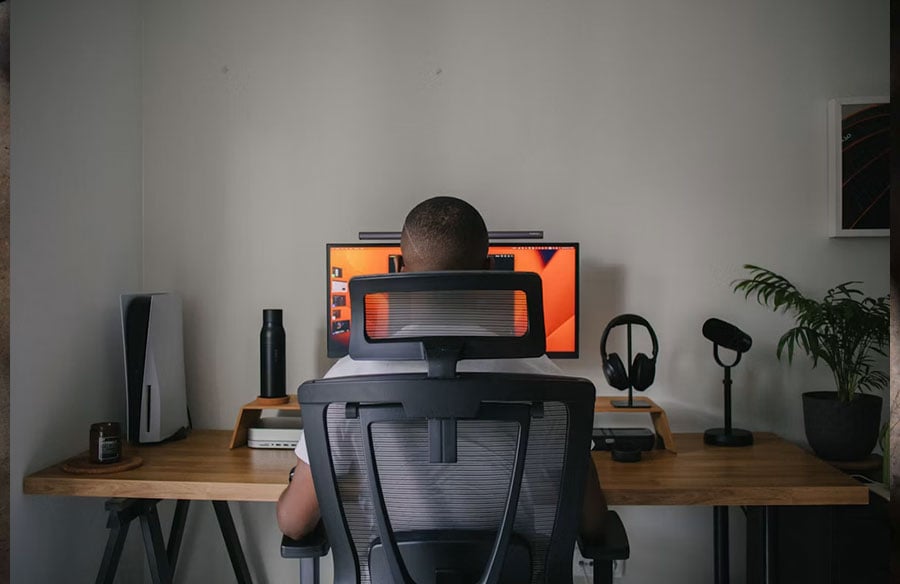
If you spend most of your day sitting at a desk, you may have noticed that your neck and shoulders feel stiff or sore by the end of the day. What starts as a little tension can eventually turn into headaches, shoulder pain, and constant neck discomfort.
The good news is that you do not have to accept neck pain as a normal part of working at a desk. A few changes to your workspace and daily habits can make a big difference. If your pain continues despite these changes, Rexburg physical therapy can also help you address the underlying cause.
Why Does Sitting Cause Neck Pain?
Sitting for long periods does not necessarily cause neck pain on its own. The bigger problem is how you sit while you work.
Many people lean toward their computer screen, round their shoulders, or look down at their phones throughout the day. When your head moves forward, the muscles in your neck and upper back have to work harder to support it.
Staying in this position for hours can lead to tight muscles, stiffness, headaches, and pain that spreads into your shoulders or upper back.
Check Your Desk Setup
One of the easiest ways to reduce neck pain is to take a look at your workstation.
Your computer monitor should be directly in front of you and close to eye level. If you constantly have to look down at your screen, your neck may be under unnecessary strain.
Your chair should also provide good support. Keep both feet comfortably on the floor and try to keep your shoulders relaxed instead of constantly shrugging them toward your ears.
If you work from home, do not overlook your setup. Working from the couch or kitchen table may be comfortable for a short time, but these positions can contribute to poor posture when you spend several hours there.
Get Up and Move
Even the best sitting position can become uncomfortable if you stay there all day.
Try to stand up and move around every 30 to 60 minutes. You could walk around the office, get a drink of water, stretch, or simply stand for a few minutes.
These small breaks give your neck, shoulders, and back a chance to move instead of staying in the same position for hours.
If you tend to get caught up in your work, set a reminder on your phone or computer to encourage you to take movement breaks.
Try Gentle Neck Stretches
Gentle stretching can help relieve some of the tension that builds up throughout the day. Slowly tilting your head from side to side can stretch the muscles along your neck. You can also gently turn your head from one side to the other to work on mobility.
Shoulder rolls are another simple option. Slowly roll your shoulders backward several times, then relax them.
Stretching should not cause sharp or severe pain. If a movement makes your symptoms worse, stop and talk with a healthcare professional.
Strengthen Your Upper Body
Stretching can help, but strengthening the muscles that support your neck and upper back is also important. Weakness in the upper back, shoulders, and core can contribute to poor posture and put more stress on the neck.
A physical therapist can evaluate your posture and movement to determine which areas may need additional strength or flexibility. This is one of the benefits of working with a Rexburg physical therapy provider. Instead of simply treating your neck pain, they can help identify habits or muscle imbalances that may be contributing to it.
When Should You Get Help?
Occasional neck stiffness after a long day at your desk is common. However, ongoing or worsening pain should not be ignored.
Consider seeking professional help if your neck pain lasts for several weeks, interferes with your daily activities, or keeps coming back. You should also seek medical attention if neck pain is accompanied by significant weakness, numbness, or other concerning symptoms.
Physical therapy can be a helpful option for people dealing with persistent desk-related neck pain. Treatment may include exercises, manual therapy, posture education, and recommendations for improving your daily movement habits.
Make Your Workday Easier on Your Neck
You do not have to completely change your career or stop working at a desk to protect your neck. Paying attention to your workstation, taking regular movement breaks, stretching, and building strength can all help reduce discomfort.
If neck pain continues to interfere with your work or everyday life, Rexburg physical therapy can provide personalized guidance to help you move more comfortably. Taking care of the problem now can make it easier to stay active and comfortable for years to come.