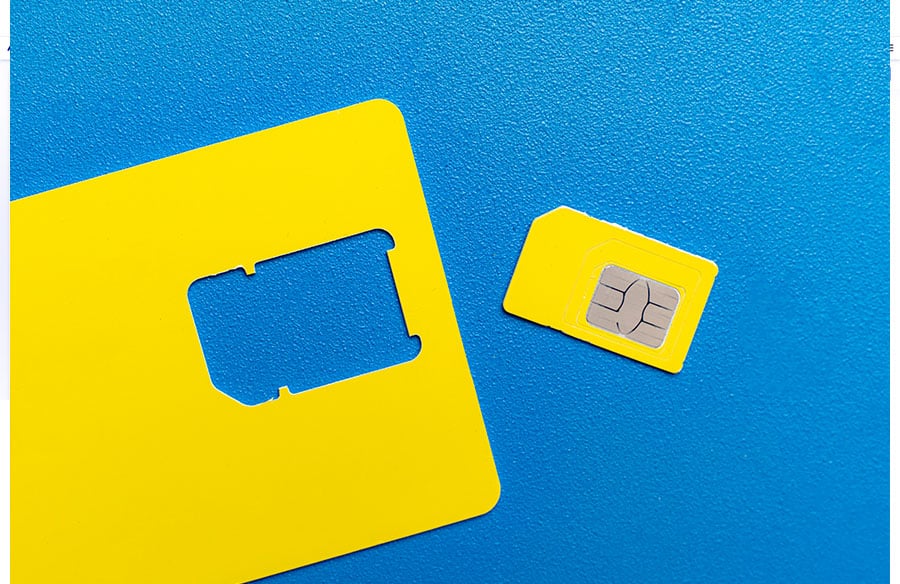
Taking a brand new smartphone out of its box used to mean digging around for a tiny paperclip tool to open a fragile metal tray on the side of your phone. For more than 30 years plastic identity cards have been the undisputed key to mobile networks around the world. With device makers pushing harder than ever for thinner designs and water resistance, that familiar plastic chip is fast approaching the end of its life cycle.
The move to an esim vs physical sim ecosystem raises an important question for consumers and mobile carriers alike: Are physical cards on the way to extinction? Top tech firms are already ditching physical trays on flagship models in certain markets, accelerating a global shift to digital profiles. The hardware benefits and market saturation help us understand why the plastic SIM card is approaching its end.
The Hardware Revolution Driving Digital Adoption
To phone makers, every cubic millimeter inside a smartphone is prime real estate. It’s amazing how much internal space the physical SIM tray mechanism occupies. It requires a special mechanical tray, an internal ejector lever, circuit contacts and a protective slot cut directly into the phone frame.
This mechanical assembly can be scrapped to make room internally for bigger battery capacities, advanced camera modules and better haptic engines. In removing the external slot, engineers also get rid of a big entryway for water and dust, letting them create much more durable and water-resistant smartphones.
Reclaiming Internal Space for NextGen Tech
Engineering teams are always trading off adding features versus the physical size of the battery. The removal of physical SIM card trays frees up space for manufacturers to use for thermal vapor chambers or additional sensor arrays. This space-saving is especially important in smaller devices like smartwatches and foldable phones where interior space is at a premium.
Waterproof and Better Protection of the Environment
For every opening in a smartphone chassis, there needs to be rubber gaskets and adhesive seals to keep moisture out. The lack of physical card slots creates a strong perimeter frame that is uninterrupted. This structural integrity minimizes the risk of liquid damage and makes heavy-duty water resistance ratings easier to manufacture.
International Cutover Timelines and Carrier Readiness
Smartphone manufacturers are eager to do away with physical card trays, but global cellular networks will need to upgrade their backend infrastructure to accommodate digital provisioning. The largest telecommunication service providers in North America, Europe and Asia have fully deployed digital profiles activation. But smaller regional operators in developing markets are still modernizing their systems to support automated digital distribution of profiles.
The change is coming fast, because digital activation reduces operating costs for carriers. It’s a win-win both economically and environmentally as providers don’t have to produce, package, ship and stock millions of plastic cards every year.
Advantages of Over-The-Air Provisioning
With digital profile distribution, carriers can connect new subscribers in seconds. Customers scan a QR code or download an app to activate service, completely bypassing physical retail stores and postal shipping delays.
Here are five major reasons why manufacturers and carriers are taking active steps to retire physical cards:
- Removing the physical card frees up valuable internal layout space for larger phone batteries.
- The openings in the frame are smaller, so dustproof and liquid resistance ratings are better.
- No plastic manufacture, packaging and international shipping logistics.
- Customer onboarding goes from days of postal delivery to seconds of digital download.
- Thieves cannot physically remove the cellular profile from a stolen phone.
Why Some Markets Still Use Physical SIM Cards
There are obvious advantages to digital profiles, but physical cards aren’t going to disappear overnight everyplace. A lot of emerging markets are cash-based economies, where consumers routinely buy prepaid card top-ups from neighborhood convenience stores or roadside kiosks. For these users, the physical card switch is still part of a deeply ingrained daily habit.
Budget smartphone models also tend to keep physical trays to keep production costs as low as possible. Physical cards will continue to serve budget-conscious consumers around the world until embedded chip technology becomes standard across low-cost entry-level processors.
Prepaid Behavior of Old Hardware and Region
Where credit cards and the adoption of digital banking are still low, physical SIM cards paid for with cash are still the easiest way to access data. Furthermore, for those who frequently swap one SIM card between multiple older or feature phones, the flexibility of physical hardware remains essential.
Here are five use cases where physical SIM cards are still temporarily on the footprint:
- Entry-level budget smartphones not having embedded chip hardware yet.
- Economies that are cash-heavy and have little digital banking in rural or developing areas.
- Users who frequently swap one mobile line between legacy feature phones.
- Enterprise fleets running older inventory assets that are not set up to support a digital profile.
- Traveling to remote destinations where the local carriers do not have the digital activation portals.
Digital First Providers Focus on Mobile Services
Progressive telecom firms adopting software-based connectivity are accelerating the move away from obsolete physical cards. These new carriers are showing consumers that it can be a completely frictionless experience in terms of managing mobile plans on your phone without needing the physical plastic.
Companies like Giga are leading this change, offering smooth, app-based mobile management. Giga’s easy-to-use digital platforms allow consumers to subscribe, choose contract-free plans and turn on international data roaming straight from their smartphones. Today’s modern providers can offer flexible and transparent cellular services perfectly suited to the digital-first lifestyle of today, all thru doing away with the need to issue physical cards.
The Digital Connectivity Landscape: A Look Forward
Physical SIM cards are undoubtedly nearing the end of their lives. From a credit-card-sized plastic card in the early 1990s to micro and nano formats over the decades, it’s now dissolving altogether into digital code built directly into phone logic boards.
Physical cards will soon join floppy disks and headphone jacks as obsolete tech history, as flagship phone makers continue to remove physical slots globally and carrier infrastructure matures. By adopting digital profile technology, you are future-proofing yourself so that staying connected across borders is as simple, secure and instantaneous as downloading an app.