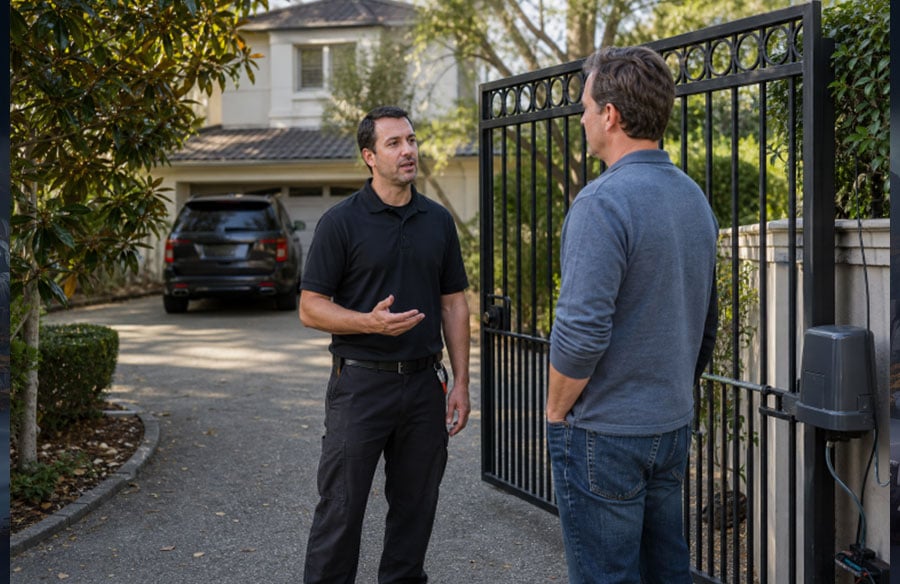
An automated driveway gate can improve convenience, privacy, and control over who enters a property, but it needs more planning than simply selecting a design that looks good. Working with an experienced provider such as Tri State Gate can help property owners consider the driveway layout, gate weight, safety equipment, access needs, and long-term maintenance before installation begins. The right system should work naturally with everyday life. That means allowing family members, visitors, deliveries, staff, and emergency responders to enter safely without creating traffic problems or requiring constant troubleshooting. A thoughtful plan also helps prevent expensive changes after posts, wiring, or operators are already installed.
Why Gate Planning Matters
An automatic gate is a moving piece of equipment, an entry-control point, and a visible part of the property all at once. Its size, opening direction, operating speed, and location affect drivers, pedestrians, pets, landscaping, and nearby roads. Planning early creates a system that is easier to use and less likely to need major revisions later. Start by thinking about the property’s daily routine. A home with two vehicles and occasional guests has very different needs from an apartment community, warehouse, farm, or business with delivery traffic. Count expected openings each day, identify who needs access, and consider what happens when someone arrives without a remote or entry code.
How To Choose The Right Gate Style
The site should determine the gate style. Swing, slide, cantilever, and bi-fold designs all have useful applications, but each requires different amounts of clearance, support, and maintenance.
- Swing gates: These are hinged and open inward or outward. They can provide a traditional appearance, but they need clear space for the full arc of travel.
- Sliding gates: These move sideways along the fence line. They are often practical when a driveway slopes or when a swing gate would interfere with vehicles.
- Cantilever gates: These slide without a ground track across the opening, making them useful where snow, gravel, leaves, or drainage could obstruct a track.
- Bi-fold gates: These fold as they move, reducing the amount of travel space needed. They can be a good option for tight commercial entrances.
Before choosing, measure driveway width, side clearance, grade, turning space, and the area where a vehicle can wait without blocking the street. Also consider whether a separate pedestrian gate would reduce unnecessary gate cycles and make foot traffic safer.
Safety Features To Prioritize
Safety equipment should be part of the original design, not an upgrade added later. Automated gates can create pinch points, entrapment zones, and impact hazards if people or vehicles enter the travel path. Gate operators and systems are commonly evaluated under UL 325 safety requirements, which address hazards such as entrapment and include protections for automatic gate operation.
Ask an installer to explain how each potential hazard area will be protected. Common safety features include:
- Photo-eye sensors that detect people, vehicles, or objects in the opening.
- Pressure-sensitive edges that signal the operator to stop or reverse when contact occurs.
- Vehicle loops that help keep a gate from closing on a waiting vehicle.
- Operated force detection and monitored reversing functions.
- Warning signs, visible moving-gate indicators, and protected pinch points.
- Manual release hardware and a safe plan for power outages.
Safety devices must be tested regularly. A sensor that is dirty, misaligned, damaged, or bypassed may not provide the protection the system was designed to deliver.
Access Control Options For Daily Use
Access control should be convenient without becoming confusing. A simple residence may only need remotes, a keypad, and a manual backup method. Larger properties may benefit from visitor calls, video verification, credentialed entry, temporary access codes, or scheduled permissions for employees and contractors.
Common Entry Methods
- Remote transmitters for regular drivers.
- Keypads with individual or shared codes.
- Telephone and video intercom systems for guests.
- Mobile app controls for remote management.
- Cards, tags, or readers for staff and frequent users.
- Temporary codes for deliveries, vendors, or service appointments.
Build in redundancy. Internet service, mobile phones, batteries, and remotes can all fail. A reliable gate plan includes a clear procedure for manual release, a secondary entry point, and secure emergency access when required.
Property Layout And Installation Needs
The gate panel is only one part of the project. Posts, footings, fencing, electrical service, operators, controls, and drainage all affect performance. The entrance should provide vehicles with enough space to stop completely off the public road while the gate opens.
Review these site conditions before construction:
- Driveway slope and surface condition near the gate.
- Nearby sidewalks, shared paths, roads, curbs, and utility locations.
- Power source, low-voltage wiring routes, and weatherproof equipment placement.
- Drainage patterns that could create standing water around tracks or posts.
- Tree growth, shrubs, and lighting that may obstruct sensors or gate travel.
- Fire department, emergency service, and delivery access needs.
Materials, Weather, And Upkeep
Material selection affects appearance, weight, corrosion resistance, and the type of operator needed. Steel can offer strength and design flexibility, while aluminum is lighter and naturally resistant to rust. Wood provides a warmer visual style but often needs more frequent sealing, staining, or repainting. Composite infill can offer a wood-like appearance with less routine finish care. Local weather matters as much as appearance. Coastal moisture can accelerate corrosion, snow and ice can affect tracks, and repeated freeze-thaw cycles can shift footings. Solid gate panels also catch more wind than open designs, so wind exposure should be considered when selecting posts, hinges, rollers, and motors.
A Simple Maintenance Plan
Routine maintenance protects both safety and reliability. Most owners can perform basic visual checks, but qualified gate technicians should handle adjustments, electrical repairs, operator settings, and damaged safety components.
Monthly Checks
- Remove leaves, gravel, ice, and debris from the travel path.
- Listen for grinding, scraping, vibration, or delayed movement.
- Check remotes, keypads, intercoms, and visible wiring.
- Confirm that the gate fully opens, closes, and latches as intended.
Seasonal Checks
- Test photo eyes, safety edges, and reversing functions.
- Inspect hinges, rollers, chains, brackets, stops, and fasteners.
- Check for rust, paint damage, water intrusion, or loose posts.
- Review access codes and remove former staff, tenants, or vendors.
Common Planning Mistakes
Common mistakes include choosing a gate solely for appearance, underestimating its weight, ignoring driveway slope, and failing to account for delivery vehicles. Another frequent issue is treating safety sensors as optional. The Consumer Product Safety Commission has long emphasized that automatic security gates need multiple entrapment protections, rather than relying on a single device. Its automatic gate safety guidance reinforces the importance of layered protection. Other avoidable problems include poor drainage, no power-outage plan, delayed repairs, and access systems that do not account for changing users. A small hinge, roller, or sensor issue can put added strain on the operator if left unresolved.
Questions To Ask Before Work Begins
- Which gate style is best for the driveway and why?
- How much clearance is needed for safe travel and vehicle staging?
- Which monitored safety devices are included in the proposal?
- How will manual operation and emergency access work?
- What maintenance schedule and warranty coverage are provided?
- Will permits, inspections, or utility marking be required?
Final Takeaway
A successful automated driveway gate balances appearance with safety, access, property conditions, and dependable maintenance. When the design fits the driveway, the controls fit the people using it, and the safety equipment is properly installed and tested, the gate can provide reliable daily service for years to come. Before making a final decision, consider how the system will perform in everyday use, under changing weather conditions, during power interruptions, and over the long term in terms of maintenance. Choosing durable materials, appropriate automation, and a layout suited to the property’s terrain can help reduce future repairs and improve reliability. Routine inspections, prompt servicing, and regular testing of safety features also help keep the system operating as intended. With thoughtful planning and ongoing care, an automated driveway gate can enhance convenience, improve security, and add lasting value to a residential or commercial property.