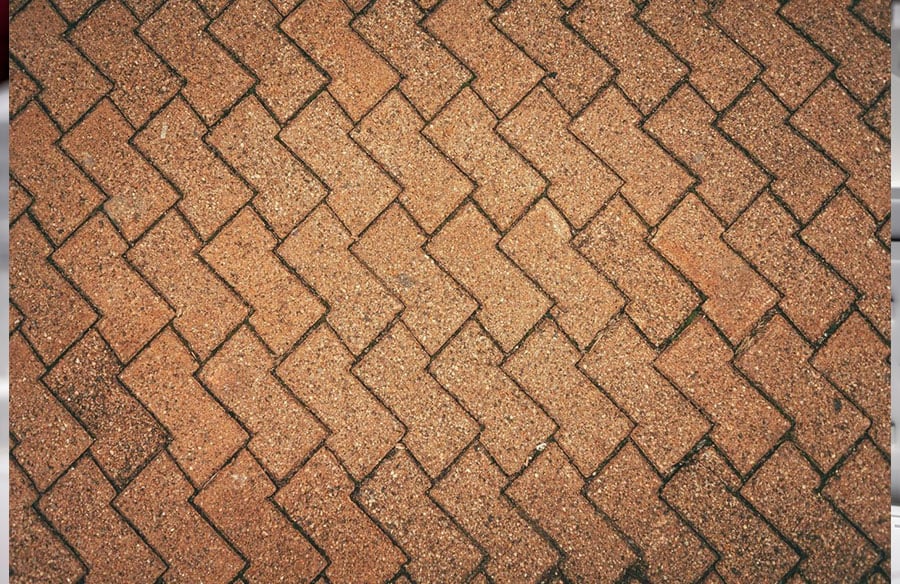
For most of the last century, replacing a driveway meant picking between two materials: poured concrete or asphalt. That’s no longer really true. Interlocking pavers, individual concrete or clay units set into a compacted base and held by sand-filled joints rather than poured as one continuous slab, have moved from a premium niche option into something a lot more property owners are actively requesting by name.
Key Takeaways
- Interlocking pavers are set into a compacted base and held by sand-filled joints, allowing individual units to shift slightly and be repaired without disturbing the whole surface.
- Permeable interlocking systems let water drain through the surface, reducing pooling, ice formation, and strain on stormwater systems.
- Proper base preparation and load-appropriate compaction matter more to long-term performance than the paver material itself.
- With correct installation and routine maintenance, interlocking driveways commonly last 25 years or more.
Driveway replacement has traditionally meant a choice between two options: poured concrete or asphalt. Over the past decade, interlocking pavers have steadily closed that gap, moving from a premium niche choice into a mainstream option that property owners and builders are specifying with increasing frequency.
What Sets Interlocking Systems Apart
Unlike a single poured slab, an interlocking driveway is built from individual concrete or clay units set into a compacted base, held in place by sand-filled joints and the friction between adjacent units rather than a continuous rigid surface. This construction method gives interlocking systems a structural advantage that solid slabs don’t share: individual units can shift slightly with ground movement or freeze-thaw cycling without the widespread cracking that plagues poured concrete over time.
That flexibility also makes repair considerably simpler. A damaged or stained section can be lifted and replaced without disturbing the surrounding surface, compared to the more involved process of patching or resurfacing a cracked concrete slab.
The Case for Permeable Paving
One of the more significant developments in this category has been the rise of permeable interlocking systems, designed specifically to let water drain through the joints and base layer rather than running off into storm sewers. This has practical value beyond environmental considerations. Reduced surface runoff means less pooling and ice formation on the driveway itself during colder months, along with reduced strain on municipal stormwater systems during heavy rain events.
The Interlocking Concrete Pavement Institute, the industry’s technical standards organization, publishes design specifications for both conventional and permeable interlocking systems, covering base depth, joint material, and drainage requirements that determine how well a given installation actually performs over its service life.
Material and Design Flexibility
Interlocking pavers offer a range of colors, shapes, and patterns that poured concrete and asphalt simply can’t match without significant additional cost. This has made the category increasingly popular not just for driveways but for connected walkways, patios, and entry features designed as a cohesive whole rather than separate elements poured or paved independently.
This is where working with an experienced landscape contractor pays off, since proper base preparation and drainage planning matter as much as the paver selection itself. Property owners exploring options to update your driveway with interlocking pavers are typically looking at a project that spans both aesthetic upgrade and functional improvement, provided the underlying installation follows established engineering guidelines rather than treating it as a simple surface swap.
Load and Drainage Standards Worth Understanding
Driveways handling vehicle weight, particularly for larger properties or shared access points, need base preparation calculated for the specific load they’ll bear. The Transportation Association of Canada publishes broader pavement design guidance that informs how contractors calculate base depth and compaction requirements for surfaces expected to handle regular vehicle traffic, principles that apply to interlocking systems just as they do to conventional paving.
Skipping proper base preparation is the most common reason an otherwise well-installed interlocking driveway develops rutting or settling within its first few years, an issue that almost always traces back to inadequate excavation depth or insufficient compaction during installation rather than a flaw in the paver material itself.
Maintenance Considerations Over the System’s Life
Interlocking driveways require periodic joint sand replenishment and occasional resealing to maintain both appearance and structural performance, though the maintenance burden is generally comparable to, or lower than, the resurfacing cycles asphalt driveways typically require. Weed growth in joints, a common concern for property owners considering this option, is largely preventable with proper joint sand selection and periodic maintenance rather than an inherent flaw in the system.
Frequently Asked Questions
Are interlocking pavers more expensive than concrete or asphalt?
Upfront costs are generally higher than asphalt and comparable to or slightly above poured concrete, but the ability to repair individual units rather than resurfacing an entire slab often makes interlocking systems less expensive over the driveway’s full lifespan.
Do interlocking driveways crack like concrete?
Not in the same way. Because the surface is made of individual units rather than one continuous slab, ground movement and freeze-thaw cycling tend to cause minor shifting rather than the wide cracking common in poured concrete.
How long do interlocking paver driveways last?
With proper base preparation and routine maintenance, interlocking driveways commonly last 25 years or more, with individual damaged units replaceable at any point without redoing the entire surface.
What is a permeable interlocking driveway?
A permeable interlocking driveway uses paver joints and a specially designed base layer that allow water to drain through the surface rather than running off, reducing pooling, ice formation, and strain on municipal stormwater systems.
Where the Category Is Headed
As municipalities continue tightening stormwater management requirements and property owners increasingly weigh long-term maintenance costs alongside upfront pricing, interlocking systems, particularly permeable designs, are positioned to keep gaining ground against traditional poured surfaces. The combination of repairability, design flexibility, and drainage performance addresses several limitations that have long been accepted as simply part of owning a conventional driveway, which is likely why this category has moved from a specialty upgrade to an increasingly standard consideration in both residential and commercial property planning.