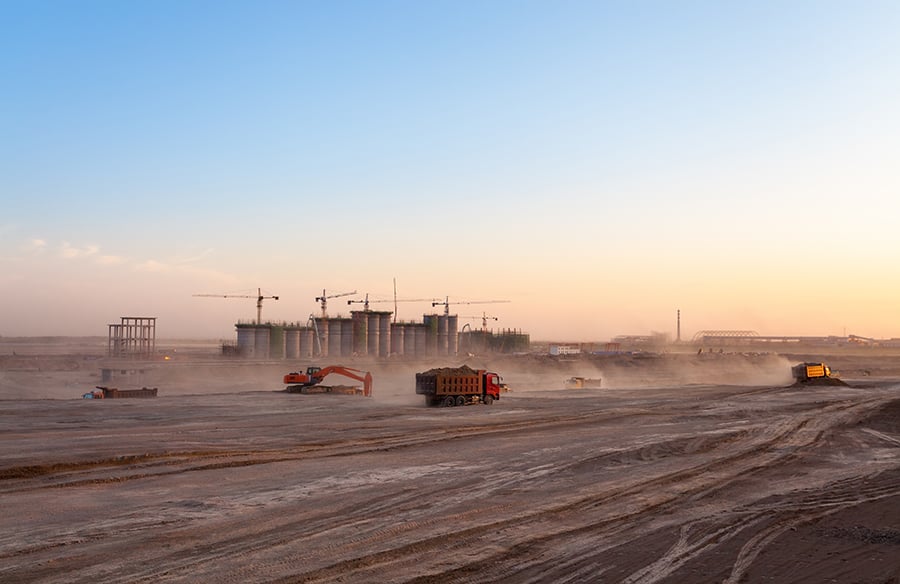
Every large construction project runs on wheels. Concrete mixers, tipper trucks, and delivery vans cross the site daily. That movement keeps the build on schedule. It also produces most of the project’s transport carbon, quietly and continuously.
The good news is that much of the waste is avoidable. Better planning cuts fuel burn before anyone buys an electric vehicle. Many contractors now use route optimization software to sequence deliveries and remove unnecessary trips. Small operational changes often beat expensive equipment upgrades on cost and speed.
This article looks at where construction fleet emissions actually come from. It then covers the practical steps project teams can take to reduce them.
Where Construction Fleet Emissions Actually Come From
Most teams assume the emissions problem sits inside the engine. Engine type matters, but behavior on site matters just as much. A modern truck still wastes fuel while it sits in a queue. Understanding the real sources helps you target the right fix first. Guessing wastes both budget and goodwill.
Idling Time Adds Up Quietly
Trucks often wait at the gate while paperwork clears. Engines keep running through the entire delay. On a busy site, that pattern repeats dozens of times each day. Fuel burns, the meter runs, and nothing moves forward.
Idling rarely appears on any project dashboard. Nobody logs it, so nobody manages it. Yet the total across a twelve month build is significant. Measuring it is usually the first honest look at the problem.
Empty Return Trips Waste Capacity
A vehicle that arrives loaded often leaves with nothing. That return leg carries no value but produces full emissions. Backhauling waste or surplus material solves part of the issue. Coordination between the supplier and the site team makes it workable.
Some businesses treat return trips as unavoidable. In practice, most can be paired with a useful load. Debris, pallets, and hire equipment all need moving somewhere. Planning both directions turns dead mileage into productive mileage.
Poor Sequencing Creates Extra Miles
Deliveries booked without a plan force drivers to crisscross the region. One provider may reach the same area three times in a week. Each visit adds distance, fuel, and paid driver hours. Sequencing the week properly removes those repeated journeys entirely.
This problem grows with project size. More suppliers means more uncoordinated arrivals. A single shared schedule fixes what a dozen separate ones cannot.
These three sources share one useful quality. None of them require new vehicles to solve. They need visibility and coordination across the supply chain instead. Once an organization measures the waste, the fixes become obvious. That is where planning discipline earns its place.
Smarter Route Planning Cuts Fuel Before Anything Else
Route planning sounds like a logistics concern rather than a design one. On large projects, the two overlap constantly. Access points, laydown areas, and gate positions all shape vehicle movement. Planning routes well reduces congestion and carbon at the same time. Architects influence this more than they often realize.
Fewer Miles Mean Less Fuel
Optimized routes shorten the distance between stops. Shorter distances burn less diesel and release less carbon. Drivers also finish earlier, which trims overtime costs. The environmental gain and the commercial gain arrive together.
That combination matters for internal buy in. Sustainability arguments alone rarely move a project budget. Fuel savings and labor savings usually do.
Delivery Windows Ease Site Congestion
Booked slots stop ten trucks arriving in the same hour. Spread arrivals keep the gate clear and the queue short. Less queuing means less idling across the working day. Site managers also gain a calmer and safer environment.
Congestion has a design dimension too. Narrow urban plots leave little room for waiting vehicles. Scheduling solves what the site layout cannot.
Data Turns Effort Into Evidence
Modern planning systems record distance, stop counts, and time on route. That record gives you a baseline to measure future progress against. Public initiatives such as the EPA’s diesel emissions reduction program show how measurement drives real reduction. Certification bodies increasingly expect this kind of documentation.
Evidence also protects the claim. A contractor who reports lower emissions should be able to prove it. Route data provides that proof without extra reporting work.
Planning changes cost little and start working immediately. They also prepare the business for electric vehicles later. A fleet that already runs tight routes adapts far faster. Efficiency first, then electrification, is the sensible order.
Electrifying a Fleet Without Losing Output
Electric trucks now handle many construction duties well. They struggle when the planning behind them stays unchanged. Range limits punish any company that routes vehicles carelessly. Preparation decides whether the switch helps or hurts productivity. Enthusiasm alone will not carry the transition.
Range Planning Comes First
Electric vehicles cover shorter distances between charges. A route built for diesel may leave a driver stranded. Planning tools can model range limits before dispatch. The vehicle then completes its day without an emergency stop.
This is where earlier route work pays off. Tight routes fit comfortably inside an electric range. Loose routes do not.
Charging Belongs in the Site Plan
Designers can place charging points early in the process. Retrofitting power supply later costs considerably more. On-site solar or wind generation reduces grid demand and running cost. Treat charging as infrastructure rather than an afterthought.
Temporary sites need this thinking too. Modular charging units can move between phases. Planning their position avoids trailing cables and safety issues.
Mixed Fleets Need Clear Rules
Most organizations will run diesel and electric together for years. Assign each vehicle to the work that suits it. Short urban runs go electric, longer hauls stay diesel. Clear rules prevent confusion at the depot each morning.
Electrification works best on top of good operational habits. A disorganized fleet stays disorganized after the vehicles change. Fix the planning, then upgrade the hardware. The two efforts then compound rather than compete.
Practical Steps for Project Teams
Reducing fleet emissions does not demand a large budget. It demands attention and a few clear commitments. Most teams find their first wins within a month. The steps below work on projects of almost any size.
- Measure current mileage and idle time before changing anything.
- Consolidate deliveries so fewer vehicles reach the site each day.
- Book arrival windows to keep the gate queue short.
- Backhaul waste or equipment on return journeys wherever the load allows.
- Review supplier routes with the same rigor as your own.
- Report results monthly so progress stays visible to everyone.
Each action is small, and the effect accumulates quickly. Track the numbers so improvement never becomes guesswork. Share results with suppliers to keep them invested in the outcome. Momentum matters more than perfection during the first year.
Conclusion
Sustainable construction usually focuses on materials and building energy use. Vehicle movement deserves equal attention from design and delivery teams. Fleets shape emissions, cost, and the daily experience on site. Planning that movement carefully delivers benefits across all three areas.
Start with what you can measure today. Cut wasted miles, reduce idling, and coordinate closely with suppliers. Then introduce electric vehicles into a system that already runs well. That order gives any organization a realistic path to lower emissions.