Vinyl, fiber cement, wood, metal, and stucco are the five main siding materials homeowners choose today. Each one differs in price, lifespan, and upkeep. Vinyl siding costs $4 to $12 per square foot installed, while fiber cement runs $5 to $15 per square foot, according to HomeGuide and Fixr. That price gap alone changes a full siding project by thousands of dollars.
This guide breaks down every major siding type in plain terms. It covers cost, durability, and maintenance for each option. A comparison table sits near the end for quick reference. Read on before you sign a contract with any siding crew.
What Counts as an Architectural Siding Material
Architectural siding covers the exterior panels that protect a home from rain, wind, and sun. Contractors also use the term to describe siding styles that shape a home’s look, like board-and-batten or shake profiles. The right material depends on your climate, your budget, and how much upkeep you want to handle.
Main Types of Siding Materials
Vinyl Siding
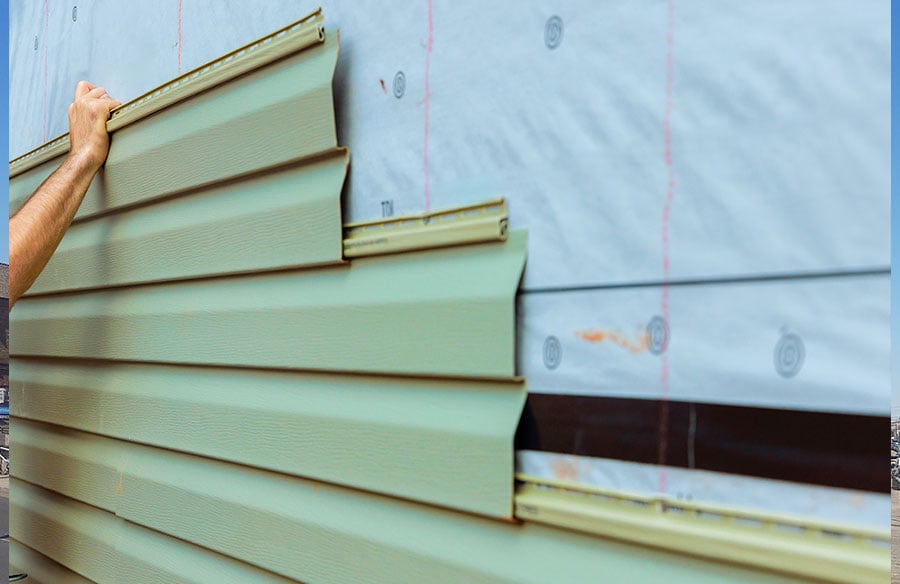
Vinyl remains the most common siding choice in the country. It costs $3 to $12 per square foot installed, and premium grades reach $8 to $12 per square foot, per Fixr’s vinyl siding data. Vinyl never needs paint and resists rot well.
Vinyl panels can crack in extreme cold. Cheap grades fade faster under strong sun. Builder-grade vinyl works fine for budget projects, but thicker insulated vinyl holds up better over time.
Fiber Cement Siding
Fiber cement blends cement, sand, and wood fibers into a rigid, durable panel. It costs $5 to $15 per square foot installed and lasts 30 to 50 years. Fiber cement resists fire, pests, and rot far better than vinyl or wood.
James Hardie brand siding, often called “Hardie board,” dominates this category. Fiber cement also boosts resale value, with an average return on investment near 80%, per Angi’s cost data. Installation demands skill, so most homeowners hire a licensed crew rather than attempt it themselves.
Wood Siding
Wood siding gives a home a classic, warm look. Cedar and pine remain popular choices for this style. Wood costs less upfront than fiber cement in many markets, but it needs regular staining or painting.
Moisture exposure causes wood to warp, rot, or attract insects over time. Homeowners in dry, moderate climates get the best results from wood siding. Coastal and humid regions see faster wear.
Metal Siding
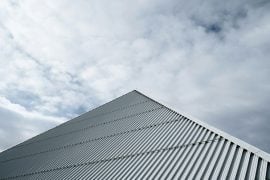
Steel and aluminum siding offer strong resistance to fire and impact damage. Metal siding suits modern architectural designs and industrial-style homes well. It resists pests completely, since insects cannot chew through metal panels.
Dents remain the main drawback of metal siding. Hailstorms and falling branches can leave visible marks that are hard to repair. Coastal homes near salt air need a corrosion-resistant coating to avoid rust.
Stucco
Stucco creates a smooth, textured finish common in Southwestern and Mediterranean-style homes. It holds up well in dry climates and resists fire effectively. Stucco needs a skilled installer, since poor application leads to cracking within a few years.
Wet climates cause stucco problems fast. Trapped moisture behind the surface leads to mold and structural damage. A trained Omaha siding contractor can tell you whether stucco fits the local weather pattern before you commit to it.
Siding Cost and Lifespan Comparison
| Material | Cost Per Sq. Ft. Installed | Typical Lifespan | Maintenance Level |
|---|---|---|---|
| Vinyl | $3 to $12 | 20 to 40 years | Low |
| Fiber Cement | $5 to $15 | 30 to 50 years | Low to Medium |
| Wood | $4 to $9 | 20 to 40 years (with upkeep) | High |
| Metal | $5 to $14 | 40 to 70 years | Low |
| Stucco | $6 to $13 | 50 to 80 years | Medium |
How to Choose the Right Siding
Match the Material to Your Climate
Cold regions need siding that handles freeze-thaw cycles without cracking. Nebraska sees harsh winters and hot summers, so fiber cement and quality vinyl both perform well here. Wood struggles more under those swings.
Set a Realistic Budget
Vinyl fits tight budgets best. Fiber cement costs more upfront, but the longer lifespan can lower the cost per year of use. Compare quotes from a few local siding crews before deciding.
Think About Maintenance Time
Wood siding demands the most ongoing care. Metal and vinyl need almost none. Pick a material that matches how much time you actually want to spend on exterior upkeep.
Why Local Expertise Matters
An Omaha siding contractor understands regional weather patterns better than a national chain crew. Nebraska homes face heavy hail, strong winds, and wide temperature swings across seasons. A contractor familiar with these conditions picks panels and fastening methods built for that stress.
Local contractors also know Omaha’s permit rules and inspection process. That knowledge saves time and avoids costly delays. Ask any siding company how many local projects they have completed before hiring them.
A Straightforward Opinion on Siding Choices
Fiber cement earns my recommendation for most homeowners planning a long-term investment. The upfront cost stings a bit, but the 30-to-50-year lifespan and strong storm resistance pay off over the years. Vinyl still makes sense for rental properties or homeowners planning to sell within a decade.
Wood siding looks beautiful, but the maintenance burden turns off most busy homeowners. Skip it unless you genuinely enjoy exterior upkeep as a hobby. Metal siding deserves more attention than it gets, especially for modern home designs in areas prone to wildfire risk.
Frequently Asked Questions
What is the most durable siding material?
Fiber cement and metal both rank as the most durable siding materials, each lasting 40 years or longer with proper installation.
Is vinyl or fiber cement siding better?
Fiber cement outperforms vinyl in durability and fire resistance, while vinyl wins on upfront cost and installation speed.
How much does siding replacement cost for an average home?
A 2,000-square-foot home typically costs $10,000 to $25,000 for full siding replacement, depending on material choice and labor rates.
Should I hire a local siding contractor?
Yes. A local, experienced contractor understands regional climate demands, building codes, and material performance far better than a distant company.
Final Word
Siding choice shapes both a home’s protection and its curb appeal for decades. Compare cost, lifespan, and maintenance before picking a material. A qualified Omaha siding contractor can help match the right product to your home and budget, so the investment lasts.