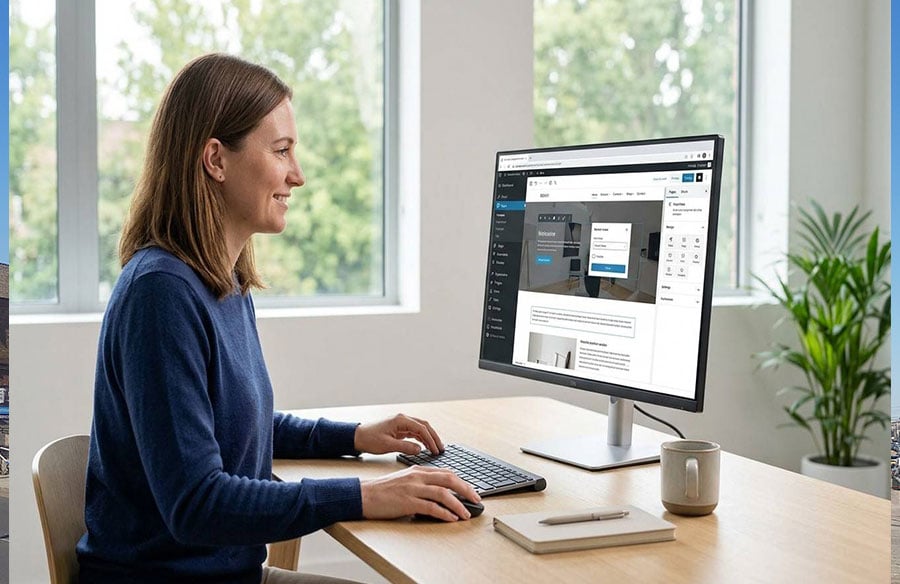
The design of your website is one of the first things a visitor comes into contact with while visiting your website. If you have an outdated or underdeveloped website, your ranking may be negatively impacted. A redesigned site gives you a boost in your business, and you may consider taking advantage of Website Redesign Services.
A Content Management System (CMS) will aid your efforts to create a more attractive and effective site. It helps you manage pages without technical skills. Working with a CMS Website Design Company also saves time and supports future growth. This guide explains how CMS website design improves every website redesign project. It also shares simple tips for a successful redesign.
What Is CMS Website Design?
A content management system enables you to manage website content effortlessly. The process involves editing web pages without writing codes. Also, it is easy to incorporate pictures, blogs, and other pages into the site. A CMS platform keeps your website organised. It also helps your team update content whenever needed. Many businesses use a CMS because it saves time. It also reduces website management costs.
Why Website Redesign Matters
Your website should support your business goals. Moreover, a website must meet the needs of your clients. A badly designed or out-of-date website can negatively impact the credibility of your business and lead to performance problems. Slow loading times and difficulties with using your site on mobile phones will increase bounce rates – users leave because of the loading times.
With a redesign, all of these problems can be addressed, and the business will get new customers. It creates a better user experience. It also improves your digital presence. A successful website redesign helps visitors stay longer. It also increases the chance of gaining new customers.
Signs It Is Time for a Redesign
Some businesses put off the decision to redesign their site until it’s too late. Here are some signs that a website redesign is necessary:
- Your current website looks old.
- Pages have slow load times.
- Mobile responsiveness is poor.
- Updating content takes too much time.
- Your brand identity has changed.
- Website visitors leave quickly.
- Search engine rankings keep falling.
- Your website no longer meets business objectives.
These problems can reduce sales and enquiries. Planning a website redesign solves these issues before they grow.
How a CMS Improves the Redesign Process
A CMS makes the website redesign process much simpler. It keeps your website project organised. Your team can update pages without coding. This speeds up redesign projects. A CMS also supports easy content migration. You can move content from your existing website safely. This protects valuable content and saves time. It also makes future updates much easier. Your redesigned website stays fresh with less effort.
Better User Experience
User experience should guide every redesign. Visitors want clear and simple websites. An intuitive layout helps people find information quickly. A clean homepage creates a strong first impression. Simple navigation keeps visitors engaged.
Good design elements improve readability. Interactive elements also make the website more enjoyable. A better user experience encourages visitors to stay longer. This often improves the conversion rate. Happy visitors are more likely to become customers.
How a CMS Supports Better SEO
A CMS helps improve search engine optimization. Many platforms include tools that support SEO best practices. They help you create clear page titles and web addresses. They also make content easier to organise.
A clear website structure helps every search engine understand your pages. This can improve your ranking over time. Better rankings bring more website visitors. A CMS also makes it easier to update content. Fresh content keeps your website useful. It also improves your chances in search engine results.
Use Analytics to Make Better Decisions
Good decisions need real data. Website analytics shows how people use your website. Tools like Google Analytics track visitor activity. They show which pages perform well. They also highlight pages with high bounce rates. You can study user behavior before making changes. This helps you evaluate what works. It also shows what needs improvement. Using analytics makes every website redesign strategy stronger.
Planning a Website Redesign
Good planning leads to better results. Start by reviewing your current website. Complete a full audit before making changes. The audit finds design and technical problems. It also shows where visitors struggle. Next, set clear business objectives.
Your website should align with these goals. Think about your target audience during every step. A clear content strategy also matters. Keep useful pages and improve weak ones. Remove outdated information. This creates a stronger new website.
Choose the Right CMS
Every business has different website needs. Choose the right CMS for your goals. Look for a platform that is easy to use. It should support mobile responsiveness. It should also grow with your business. Some companies move to a new CMS during redesigning a website. A new CMS often offers better features. It also supports future website development. The right choice saves time and money.
Improve Website Performance
Website performance affects every visitor. People expect pages to load quickly. Slow website loading can increase bounce rates. It can also reduce conversions. Improve images and remove unnecessary files. Choose reliable hosting.
Keep your website fast on every device. A fast website creates a better user experience. Businesses differ greatly in their requirements and needs. That’s why it’s important to choose a CMS that will provide you with what you need in terms of your site.
Refresh Your Visual Design
Redesign should not affect your brand too much. Colors, fonts, and images should stay the same. Simple visual design builds trust. It also improves visual appeal. Use modern design trends with care. Do not overload your visitors with unnecessary features. An appropriately designed site will look good and remain user-friendly.
Create Better Landing Pages
One goal for each landing page. Use strong calls to action and simple headlines. Keep forms short. Remove anything that distracts visitors. Clear pages improve the conversion rate. They also help visitors take the next step.
Work with the Right Experts
A trusted Website Design Agency understands modern web design. They also manage website development from start to finish. Many businesses choose a Website Redesign Service for expert support. A skilled CMS Website Design Company helps you choose the right CMS. They also protect your SEO during content migration. Expert support reduces risks. It also keeps your website project on track.
Best Practices for a Successful Redesign
Follow these best practices for better results.
- Set clear business goals.
- Complete a website audit.
- Understand your target audience.
- Review website analytics often.
- Focus on user experience.
- Protect your SEO.
- Test every page before launch.
- Keep website loading fast.
- Update content regularly.
- Measure results after launch.
These steps support a successful website redesign. They also help transform your website into a stronger business tool.
Conclusion
Your website should grow with your business. An outdated website can hold your business back. A CMS makes the website redesign process easier. It supports better user experience, SEO, and content management. It also makes content updates simple. Planning and analytics help you make informed decisions. Choosing the right CMS will help your site serve its purpose.