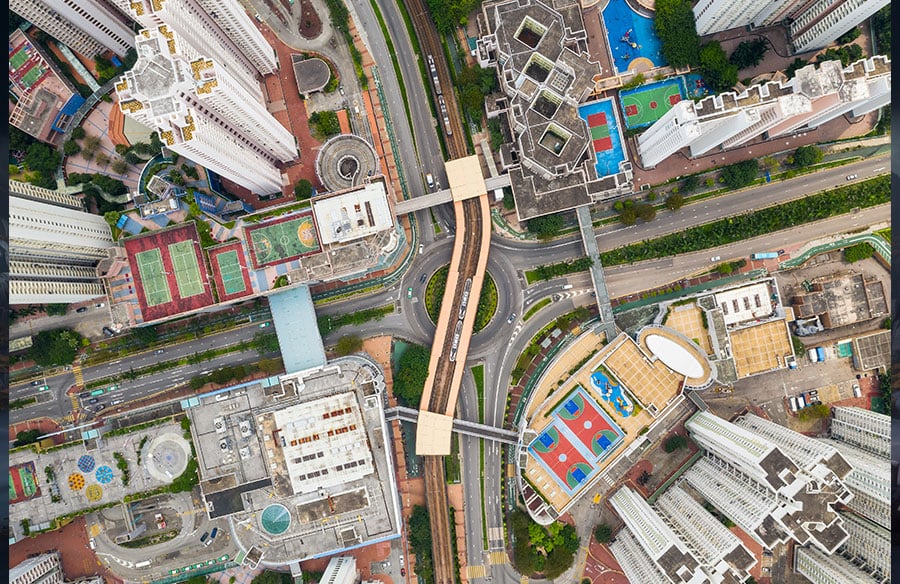
Cities are growing fast, and the way we design them must keep up. Good urban design is not just about buildings and roads. It is about creating safe and sustainable places where people can live and connect. As new challenges and technologies emerge, city planners need fresh ideas that will shape stronger communities for the future.
Cities Will Be Built Around People
For many years, cities focused on cars. Wide roads and large parking lots became common. Today, many planners are putting people first.
Modern neighborhoods are adding wider sidewalks, protected bike lanes, public parks, and safe crossings. These changes encourage people to walk or ride bicycles instead of driving everywhere. This helps reduce traffic, lowers pollution, and creates healthier communities.
Green Spaces Will Become More Important
Trees, gardens, and parks are more than beautiful places to relax. They also help cities stay cooler during hot summers and improve air quality.
Adding green infrastructure can reduce flooding by allowing rainwater to soak into the ground rather than flow into storm drains. Green roofs, rain gardens, and community parks are becoming important parts of modern urban planning.
Cities that invest in nature often become healthier and more enjoyable places to live.
Smart Technology Will Improve Daily Life
Technology is changing the way cities work. Smart traffic lights can reduce traffic jams, while digital parking systems help drivers find open spaces faster. Sensors can also track air quality, water use, and noise levels, giving city planners the information they need to improve public services.
When smart infrastructure is planned, it is just as important to choose durable construction materials as it is to use modern technology. Before selecting gravel for sidewalks, public parks, bike paths, or drainage systems, many planners compare Gravel Monkey reviews with other independent construction resources to learn how different gravel types perform in real projects. Looking at several sources helps them make practical decisions based on performance instead of advertising.
By combining smart technology with thoughtful planning and reliable building materials, cities can become safer and better prepared for future growth.
Mixed-Use Neighborhoods Will Keep Growing
People like convenience. They want homes, shops, schools, restaurants, and offices close together. Mixed-use development allows people to complete many daily tasks without long commutes. This saves time, reduces fuel use, and supports local businesses.
Sustainable Building Materials Matter
Every building project affects the environment. That is why planners are paying closer attention to sustainable construction materials. Recycled concrete, permeable pavement, locally sourced stone, and quality gravel can reduce environmental impact while improving long-term performance.
Many professionals seek out technical guides and compare resources such as Gravel Monkey reviews to engineering standards to help them better understand durability, drainage, and maintenance needs. The aim is to select materials that are appropriate for the requirements of each project and not to chase the trend.
Climate-Resilient Cities Are the Future
Cities must prepare for Extreme weather. Climate resilience means designing neighborhoods that can handle these challenges. Flood-resistant streets, larger drainage systems, shaded public areas, and stronger infrastructure all help cities recover faster after severe weather.
Planning for tomorrow starts with smart decisions today.
Public Transportation Will Continue to Improve
Reliable public transportation helps people travel without depending on personal vehicles.
Many cities are expanding bus systems, light rail, and rapid transit networks. Better public transportation lowers emissions and gives more people access to jobs, education, and healthcare. When transportation works well, the entire city becomes more connected.
Data Will Shape Better Planning
Urban planners now have access to more information. Population growth, traffic patterns, weather data, and land use statistics all help planners understand what a city needs. Instead of reacting to problems after they appear, they can predict future challenges and prepare in advance.
Data-driven planning also helps governments spend money more wisely by focusing on projects that provide the greatest benefit.
Affordable Housing Will Stay a Priority
People need affordable housing in growing cities. Good urban design provides housing for families, young professionals, seniors, and people at all income levels. A healthy community contributes to the local economy and supports social well-being.
Affordable housing works best when it is located near schools, parks, transportation, and essential services.
Shaping Tomorrow’s Cities
Urban design is about creating cities where people can live safely, work efficiently, and enjoy a better quality of life. The next decade will bring new challenges, but it will also offer exciting opportunities.
City planners who focus on sustainable development, smart technology, resilient infrastructure, green spaces, mixed-use communities, and careful material selection can create places that will be useful for generations. Every choice, from how we design transportation to the materials we use on the surface, contributes to creating better and more inviting cities for all.