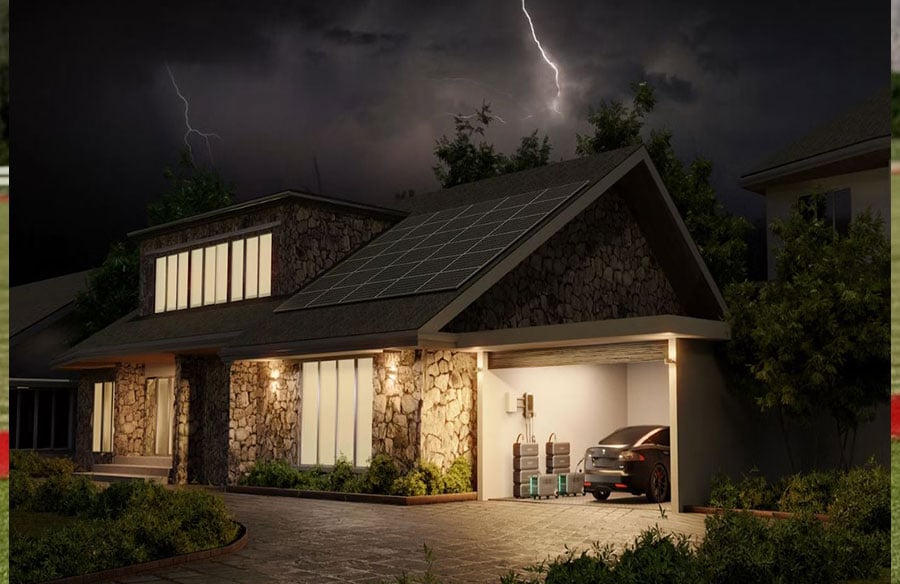
Storms in the U.S. have become more common than you imagine, and they cause widespread damage. According to Insurance Business, a wave of severe storms has recently been on the horizon, moving from the U.S. Mid-Atlantic to the Canadian prairies. It is anticipated that the insured losses could climb into the billions.
Storm season often arrives with little warning, bringing strong winds and power outages that can disrupt daily life and put your home at risk. While it is impossible to control the weather, you can take practical steps to prepare your property before severe conditions develop.
Upgrading your home proactively is a smart way to shield your investment and minimize the stress and uncertainty that major storms can bring. This article highlights forward-thinking home enhancements to ensure you have a worry-free storm season. With the right preparations, you can face storm season with greater peace of mind and fewer unexpected challenges.
Reinforce Roof Defenses
As reported by CNN in June 2026, the storm threat in the U.S. shifted eastward following a devastating series of fierce winds that left many homes in ruins across the central U.S. Meanwhile, another wave of intense storms swept through the Northeast, bringing down trees and causing power outages across the region.
In the face of severe weather, your roof acts as your primary shield. Getting it ready before storm season is crucial. What might seem like minor issues can snowball into major problems when heavy rain and fierce winds arrive. It may include loose shingles, cracked flashing, or aging sealants.
Investing in timely roof repairs is taking a smart step to avoid unnecessary stress when the storms arrive. Combined with durable roofing materials and routine maintenance, professional roof repairs can strengthen your home’s defenses and provide greater peace of mind throughout the season.
Reinforced roofing materials, impact-resistant shingles, and stronger fastening systems can provide added protection when weather becomes unpredictable. Moreover, investing in roof maintenance and strategic upgrades can reduce storm-related risks and gain greater confidence in your home’s protection.
Manage Water and Drainage
Heavy rainfall can become a major problem if your home is not equipped to handle excess water effectively. If drainage is poor, you might end up with standing water, foundation problems, a flooded basement, and landscape erosion.
According to The Spruce, you might notice cracks forming in the foundation and gutters getting yanked away. If your home isn’t properly insulated, the freezing temperatures can sneak in and cause some serious damage inside. These areas of the home are susceptible to water damage if the gutters and downspouts are not working correctly, notes James Hartkorn, a foundation repair expert.
For even greater protection, consider upgrading your gutter system with the best gutter guard solution. A quality gutter guard is key to stopping leaves, twigs, and other debris from blocking your gutters and causing issues. This way, rainwater can flow smoothly during heavy storms. Combined with properly positioned downspouts and effective yard drainage, this upgrade can reduce the risk of water damage.
According to K-Guard Rocky Mountains, your home deserves top-notch gutter protection that withstands the changing seasons, no matter the season. You should also evaluate how water flows across your yard during and after rainstorms.
Installing drainage solutions such as French drains, catch basins, or rain gardens can help manage runoff more efficiently. Improving water management and drainage systems reduces the likelihood of costly storm damage. It creates a more secure, stress-free environment throughout the season.
Upgrade Electrical Systems
Storms often bring power outages, electrical surges, and other disruptions that can affect both your comfort and safety. Preparing your electrical system before storm season can help minimize these risks and keep essential equipment functioning when you need it most. You can start by having your system inspected for outdated wiring, overloaded circuits, or other potential vulnerabilities.
The Electrical Safety Office notes that installing a safety switch is essential. During an emergency, make sure you know how to quickly cut off your power, gas, and water supply. For any electrical equipment you’re not using, pack it up and store it safely. Additionally, ensure you unplug your outdoor TVs and any non-fixed aerials, and store them somewhere dry. And as a storm approaches, be sure to switch off and unplug your electrical devices to stay safe.
You can also consider installing whole-home surge protection to safeguard appliances, electronics, and other valuable equipment from sudden voltage spikes. Backup power solutions, such as generators or battery storage systems, provide additional security during extended outages. Upgrading your electrical systems and planning can help you feel more at ease. Your home stays functional and well-prepared during storm season.
FAQs
Why is a home vulnerable to storm damage?
A home can be vulnerable to storm damage when weak roofs, aging windows, poor drainage, or neglected landscaping leave it exposed to strong winds and heavy rain. Small maintenance issues can quickly worsen during severe weather. Without proactive upgrades and regular inspections, storms may cause leaks, flooding, structural damage, and costly repairs.
Where is the safest place in a house during a storm?
The safest place in a house during a storm is usually an interior room on the lowest level, away from windows, doors, and exterior walls. A basement is often ideal if available. If not, choose a small interior bathroom, closet, or hallway where you can stay protected from debris.
Does home insurance cover storm damage?
Home insurance often covers storm damage caused by wind, hail, lightning, and rain after structural damage. However, coverage varies by policy and location. Flood damage is usually not included and may require separate insurance. You should review your policy carefully to understand limits, exclusions, and deductibles before storms occur.
Key Takeaways
| Home Upgrade Area | Recommended Actions | Main Benefits |
| Roof Protection | Repair loose shingles, cracked flashing, and aging sealants; install impact-resistant roofing materials | Reduces leaks, water intrusion, and structural damage |
| Water & Drainage Management | Clean gutters, install gutter guards, improve downspouts, add French drains or rain gardens | Prevents flooding, foundation damage, and erosion |
| Electrical System Upgrades | Install surge protection, inspect wiring, add backup generators or battery storage | Protects appliances and ensures power during outages |
| Landscaping Maintenance | Trim trees and remove weak branches near the home | Reduces risk of falling debris and property damage |
| Emergency Preparedness | Learn how to shut off utilities and secure electrical equipment | Improves safety during severe weather events |
| Insurance Review | Check policy coverage, exclusions, and deductibles | Helps avoid financial surprises after storm damage |
Preparing your home ahead of storm season gives you a stronger sense of control when weather conditions become unpredictable. Small improvements made early can help you avoid last-minute stress and unexpected disruptions.
When you take time to plan and address key areas, your home becomes better equipped to handle changing conditions. This preparation also helps you feel more confident and relaxed. You have taken meaningful steps to protect your space and the people who matter most throughout the season.