Most people know they have junk in their homes, garages, or yards. Few people realize how much room those items consume. Old furniture, broken appliances, damaged boxes, and unused equipment slowly spread into living areas. At first, the clutter seems small. After a few years, the amount of space lost can become surprising.
Extra items affect comfort, storage, and daily life. Rooms become harder to clean, garages stop serving their purpose, and basements turn into storage zones. Looking at the actual space your junk occupies can help you decide what should stay and what should go.
How Clutter Slowly Takes Over Your Home
Junk rarely appears all at once. Most items enter a property one piece at a time. An old chair goes into the basement. A broken television moves to the garage. Holiday decorations pile up in the attic. Empty boxes remain after a move.
As these items gather, available space shrinks. A corner becomes full. Then a wall becomes blocked. Soon an entire room serves as storage.
Many homeowners keep items because they think they may need them later. In many cases, those objects remain untouched for years. The longer they stay, the easier they become to ignore.
Taking a fresh look at every area in your home can reveal how much space clutter controls.
Common Areas Where Junk Builds Up
Some parts of a property collect junk faster than others. These areas often become storage spots because visitors do not see them every day.
Garage Storage Overflow
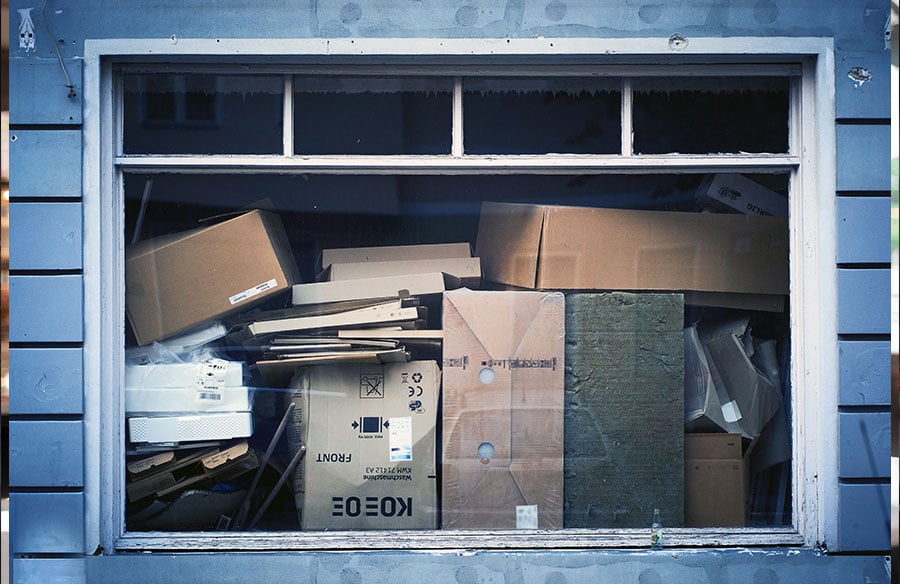
Garages often turn into storage zones filled with boxes, tools, and broken items. Parking space disappears as clutter expands across floors and walls. Many homeowners stop using garages for vehicles because stored junk slowly spreads into every available corner.
Basement Item Accumulation
Basements attract old furniture, seasonal items, and unused equipment. These objects stay for years since they are out of sight. Over time, the basement becomes a storage zone instead of useful living space, reducing flexibility for future home use.
Attic Forgotten Storage
Attics collect items that are rarely checked or moved. Old clothing, toys, and keepsakes remain untouched for long periods. Limited access encourages storage buildup, turning the attic into a dense space filled with forgotten belongings and boxed materials.
Outdoor Space Clutter
Sheds, patios, and yards often hold damaged grills, broken furniture, and leftover building materials. Exposure to weather speeds up wear, making items harder to reuse. These outdoor areas slowly lose function as clutter spreads across open space.
The Hidden Cost of Lost Space
Unused items do more than occupy room. They reduce the value of spaces that could serve better purposes.
A crowded garage cannot protect vehicles. A full spare bedroom cannot host guests. A packed basement cannot become a home office or exercise area.
Clutter also creates extra work. Cleaning around stacks of boxes takes more effort. Finding important belongings becomes difficult. Moving items to reach something else wastes time.
Large piles can create safety concerns. Narrow walkways increase the chance of trips and falls. Heavy objects stacked together may become unstable.
Many property owners discover that removing unwanted items improves daily life more than expected. Companies that provide junk hauling baltimore services often help residents recover rooms they have not fully used in years.
Measuring the Space Your Junk Uses
One useful exercise involves estimating the amount of space occupied by unwanted items.
A standard single-car garage contains about 200 square feet. If boxes and furniture fill half the area, you lose around 100 square feet of usable space.
A spare bedroom may contain 120 square feet. If the room stores old belongings instead of serving its original purpose, that entire area becomes unavailable.
Large items take more room than people expect:
- A sofa may use 30 square feet.
- A dining table can occupy 20 square feet.
- Old appliances require significant floor space.
- Stacks of boxes continue to grow over time.
Walk through your property and estimate the area covered by unused items. Include corners, shelves, closets, and outdoor storage spaces.
Many homeowners find that junk occupies several hundred square feet across their properties. That amount of space could serve many better purposes.
Why Removing Junk Creates More Value
Extra space offers benefits that extend beyond appearance. Open rooms feel larger and more comfortable. Storage becomes easier to manage. Cleaning takes less time.
Families gain more room for activities. Children have additional play areas. Home offices become possible. Guests can stay comfortably.
Property owners preparing to sell also benefit from cleaner spaces. Open rooms often leave stronger impressions during showings.
Professional removal services can make the process easier. Large furniture, appliances, and heavy debris often require special equipment and proper disposal methods. Experienced haulers junk removal teams can clear difficult items safely and reduce the workload for homeowners.
The goal is not to remove every possession. The goal is to keep items that provide value and remove those that no longer serve a purpose.
Final Words
Junk often enters a property little by little. Over time, those items occupy garages, basements, spare rooms, and outdoor spaces. Many homeowners do not notice the amount of room lost until they take a careful look.
Calculating the space used by unwanted belongings can change how you view your property. A crowded area may become a guest room, workspace, parking area, or family space after clutter leaves.
Every square foot has value. Removing items that no longer serve you can help your home feel larger, cleaner, and more useful. The extra space may already exist. It may simply be hidden beneath years of accumulated junk.