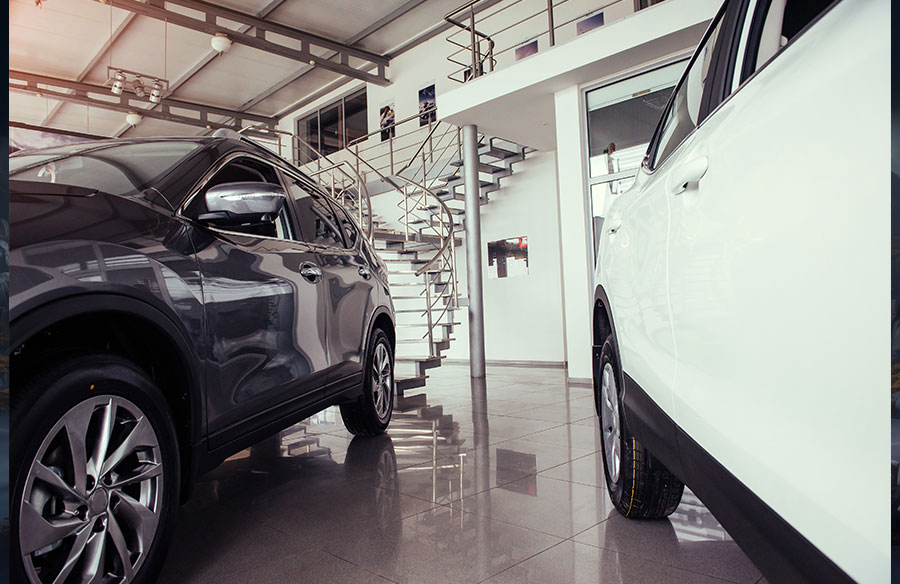
The role of the garage has changed dramatically over the past decade. What was once considered a simple storage area for vehicles has now become a multifunctional extension of the modern home. Today’s vehicles are larger, more technologically advanced, and increasingly electric, which means homeowners must rethink traditional garage layouts and features. At the same time, smart home innovations are transforming garages into connected, efficient, and highly organized spaces that offer convenience, security, and flexibility.
Modern garage design is no longer only about parking a car safely indoors. Homeowners now expect garages to support electric vehicle charging, smart security systems, climate control, and organized storage solutions while also complementing the overall appearance of the home. Luxury vehicle owners often require showroom-quality finishes and temperature-controlled environments, while families may need extra room for tools, sports equipment, bicycles, or hobby workspaces.
As automotive technology continues to evolve, garages must adapt alongside it. A carefully planned garage not only improves functionality and convenience but also increases property value and prepares the home for future transportation trends. Designing a modern garage requires attention to layout, durability, energy efficiency, and smart technology integration. By combining practical planning with stylish design, homeowners can create a garage that meets the demands of modern vehicles while remaining versatile and future-ready.
Choosing the Right Garage Size and Layout
“One of the most important aspects of designing a modern garage is determining the correct size and layout. Many older garages were built for smaller vehicles and often feel cramped when accommodating today’s SUVs, pickup trucks, and electric vehicles. Modern homeowners should think beyond the minimum dimensions and instead prioritize comfort, accessibility, and future flexibility.
A spacious garage allows drivers to move around vehicles comfortably, fully open doors, and access storage areas without obstruction. Adequate clearance becomes even more important when homeowners plan to include workbenches, charging stations, or storage systems. Garages that are too narrow or shallow can quickly become inconvenient and cluttered, especially for families with multiple vehicles.
The layout should be organized in a way that supports smooth movement and efficient use of space. Storage areas should remain accessible without interfering with parking zones. Many homeowners now divide their garages into separate functional areas, including parking sections, workshop spaces, and dedicated storage zones. This type of planning helps maintain organization and improves overall usability.”
Anam Barkan, Founder & CEO at HireGo.
Ceiling height is another consideration that is often overlooked. Taller ceilings provide opportunities for vertical storage systems, overhead racks, and even vehicle lifts for sports or collector cars. Making use of vertical space helps reduce floor clutter and creates a cleaner, more open environment.
Modern garages are also increasingly designed as multi-purpose spaces. In many homes, the garage functions as a workshop, home gym, hobby room, or seasonal storage area in addition to vehicle parking. Flexible layouts with modular storage systems and adaptable workspaces allow homeowners to maximize functionality without sacrificing vehicle protection. A thoughtfully planned garage can easily transition between different uses while maintaining a polished and organized appearance.
Incorporating Smart Technology and EV Charging Stations
“Technology has become one of the defining elements of modern garage design. Smart systems provide homeowners with improved convenience, enhanced security, and greater energy efficiency. Today’s connected garages can be controlled remotely through smartphones or integrated into broader home automation systems.
Smart garage doors are among the most popular upgrades. These systems allow homeowners to open, close, and monitor the garage door remotely, providing peace of mind and eliminating concerns about accidentally leaving the garage unsecured. Motion-activated lighting, app-controlled security cameras, and smart climate systems are also becoming standard features in modern garages.
The rise of electric vehicles has introduced entirely new design considerations. Installing an electric vehicle charging station is now one of the most important investments for homeowners planning a future-ready garage. While standard electrical outlets may support slow charging, most electric vehicle owners benefit from Level 2 charging stations, which provide significantly faster charging times and improved convenience.
Planning for EV charging requires sufficient electrical capacity and strategic charger placement. Homeowners should ensure that charging cables can easily reach the vehicle without creating clutter or safety hazards. In households with multiple electric vehicles, installing more than one charging point may become necessary over time.”
Tim Gaasch, real estate professional at Clever Offers.
Energy management systems are also becoming increasingly popular. Smart electrical panels can optimize charging schedules to take advantage of off-peak utility rates, helping homeowners reduce electricity costs. Some garages are now integrated with residential solar energy systems, allowing electric vehicles to charge using renewable power generated directly from the home.
As automotive technology continues to advance, garages equipped with adaptable electrical infrastructure and smart connectivity will remain valuable and functional for years to come.
Selecting Durable Flooring and Storage Solutions
Garage flooring plays a major role in both aesthetics and long-term durability. Modern garages must withstand heavy vehicles, moisture, chemicals, temperature changes, and frequent foot traffic. Choosing the right flooring material can significantly improve maintenance, appearance, and overall usability.
“Epoxy flooring remains one of the most popular choices because of its durability and polished appearance. It resists stains, chemicals, and abrasions while creating a clean, professional finish that resembles a luxury showroom. Polyaspartic coatings are also gaining popularity due to their fast installation times and superior resistance to sunlight and temperature fluctuations. For homeowners seeking flexibility and customization, interlocking floor tiles offer a practical solution that is easy to install and replace.
Storage organization is equally important in a modern garage. Cluttered garages reduce efficiency and can create safety hazards while making vehicle maintenance more difficult. Well-designed storage systems help maintain order while maximizing available space.
Wall-mounted cabinets, custom shelving, and overhead storage racks are commonly used to keep tools, equipment, and seasonal items organized. Many homeowners prefer modular storage systems that can be adjusted as needs change over time. Luxury garages often feature custom cabinetry designed to conceal tools and supplies while maintaining a sleek and sophisticated appearance.
Creating designated zones for different activities improves functionality and organization. A garage may include separate areas for vehicle parking, tool storage, sports equipment, and household supplies. Clearly defined spaces help prevent clutter from spreading and allow the garage to remain clean and efficient even when used for multiple purposes.
Modern storage solutions focus not only on practicality but also on aesthetics. Clean lines, concealed storage, and coordinated finishes contribute to a garage that feels like an integrated part of the home rather than a neglected utility area.”
Eamonn Turley, auto insurance expert of MultiQuoteTime.
Ensuring Proper Lighting and Ventilation
“Lighting is a critical component of modern garage design because it directly affects visibility, safety, and comfort. Poorly lit garages can feel uninviting and make maintenance tasks difficult, while well-designed lighting creates a more functional and visually appealing environment.
Most modern garages use layered lighting systems that combine ambient lighting for general illumination with task lighting for detailed work areas. LED fixtures are widely preferred because they are energy-efficient, long-lasting, and capable of producing bright, consistent light. Bright overhead lighting improves visibility for parking and storage, while focused task lighting supports vehicle maintenance and workshop activities.
Natural light is also becoming more common in garage design. Windows, skylights, and glass-panel garage doors help create a more open and welcoming atmosphere. In addition to reducing daytime energy consumption, natural light can make the garage feel larger and more comfortable. However, homeowners with luxury or collector vehicles should consider UV-protective glass to prevent fading and interior damage caused by prolonged sunlight exposure.
Ventilation is equally important, especially in garages used for vehicle maintenance or workshop activities. Poor ventilation can lead to moisture buildup, unpleasant odors, and reduced air quality. Proper airflow helps protect vehicles, tools, and stored belongings from humidity-related damage.”
Christian Petzold, founder of The Team Trip.
Many modern garages include exhaust fans, dehumidifiers, and insulated garage doors to improve ventilation and temperature control. Climate-controlled garages are especially valuable for luxury and high-performance vehicles because stable temperatures help preserve batteries, paint finishes, and interior materials. In colder climates, radiant floor heating systems are becoming increasingly popular because they provide comfortable temperatures while improving overall efficiency.
A well-ventilated and properly illuminated garage creates a healthier, safer, and more enjoyable space that can support a wide variety of activities.
Improving Security and Energy Efficiency
“Security has become a major priority in modern garage design, particularly as garages increasingly store expensive vehicles, tools, and technology. Modern security systems combine physical protection with smart monitoring features that allow homeowners to manage garage access remotely.
Smart locks, security cameras, motion detectors, and integrated alarm systems help prevent unauthorized access while providing real-time notifications. Smartphone-connected systems allow homeowners to monitor garage activity from anywhere, adding an extra layer of convenience and protection. Luxury garages may also include biometric entry systems or reinforced garage doors for enhanced security.
Energy efficiency is another important consideration for modern homeowners. Insulated garage doors, weather sealing, and energy-efficient lighting help reduce heating and cooling costs while maintaining more stable indoor temperatures. Proper insulation is particularly important for attached garages because it affects the overall energy performance of the home.”
Alfred Christ, Sales Manager & Head of Marketing at ROKR.
Many homeowners are also adopting sustainable design features. Solar-powered lighting systems, recycled construction materials, and energy-efficient appliances are becoming increasingly common in environmentally conscious garage designs. Some detached garages even incorporate green roofing systems or rainwater collection solutions to improve sustainability.
A garage designed with energy efficiency in mind provides long-term cost savings while supporting a more environmentally responsible lifestyle. Combining sustainability with modern technology creates a garage that is both practical and future-focused.