Many homeowners focus on visible landscaping features such as patios, gardens, and decorative stonework without realizing how much drainage influences the long-term condition of those outdoor spaces. Water movement across a property affects soil stability, hardscape durability, plant health, and even structural safety around the home. When drainage problems develop gradually, the damage often remains unnoticed until repairs become expensive and disruptive.
Small puddles or soggy lawn areas may seem harmless after heavy rainfall, but persistent moisture creates pressure on outdoor surfaces over time. Water that cannot flow away properly slowly weakens foundations, shifts pavers, damages retaining walls, and limits healthy root growth. These issues often worsen season after season because poor drainage rarely corrects itself naturally.
Thoughtful landscaping design helps properties manage water more efficiently while protecting outdoor investments from unnecessary deterioration. Professional planning considers grading, soil conditions, runoff direction, and long-term moisture control rather than focusing only on appearance. Companies like Yards Unlimited Landscaping regularly help homeowners solve drainage challenges before they create larger structural and maintenance concerns.
Standing Water Can Weaken Hardscape Stability Over Time
Patios, walkways, and retaining walls depend heavily on proper drainage beneath the surface. Even well-constructed hardscapes may begin shifting if excess moisture consistently saturates the underlying soil. Water gradually softens the ground, creating instability that affects alignment and structural support.
Pavers often separate or sink unevenly when drainage problems remain unresolved for extended periods. Homeowners may first notice small gaps, slight tilting, or uneven walking surfaces before more visible movement develops. Freeze-thaw cycles can accelerate the problem significantly because trapped water expands repeatedly during colder temperatures.
Retaining walls are especially vulnerable when water pressure builds behind them without adequate drainage systems in place. Excess moisture increases soil weight and places additional force against wall structures over time. Professional landscaping in Ottawa frequently includes drainage corrections designed to protect hardscape investments from long-term water-related movement and damage.
Lawn Health Declines When Soil Holds Too Much Moisture
Grass requires balanced moisture levels to grow properly, but oversaturated soil creates unhealthy conditions beneath the surface. Excess water limits oxygen availability around root systems, making it difficult for turf to develop strong growth patterns. Lawns affected by poor drainage often appear thin, patchy, or discolored despite regular watering and maintenance.
Persistent moisture also encourages fungal growth and pest activity within weakened turf areas. Homeowners may notice recurring muddy spots or sections of lawn that never fully recover after rainfall. These conditions gradually reduce the overall appearance and usability of outdoor spaces throughout the year.
Drainage-focused landscaping solutions improve how water moves through the property instead of allowing it to collect in vulnerable areas. Adjustments to grading, soil composition, and runoff pathways help create healthier growing conditions while reducing maintenance frustration. Better water management supports stronger lawn performance across changing seasonal conditions.
Foundation Areas Are Vulnerable to Improper Water Flow
Drainage problems affect more than lawns and patios because excess water can also threaten structures surrounding the home itself. When runoff consistently pools near foundations, moisture may gradually penetrate lower walls, basements, or crawl spaces. These problems often develop slowly and remain hidden until visible damage appears indoors.
Soil expansion caused by prolonged moisture exposure may also place pressure against foundation systems over time. Cracks, uneven settling, and moisture intrusion can become increasingly difficult to manage if drainage issues continue untreated. Landscaping design plays an important role in directing water safely away from vulnerable structural areas.
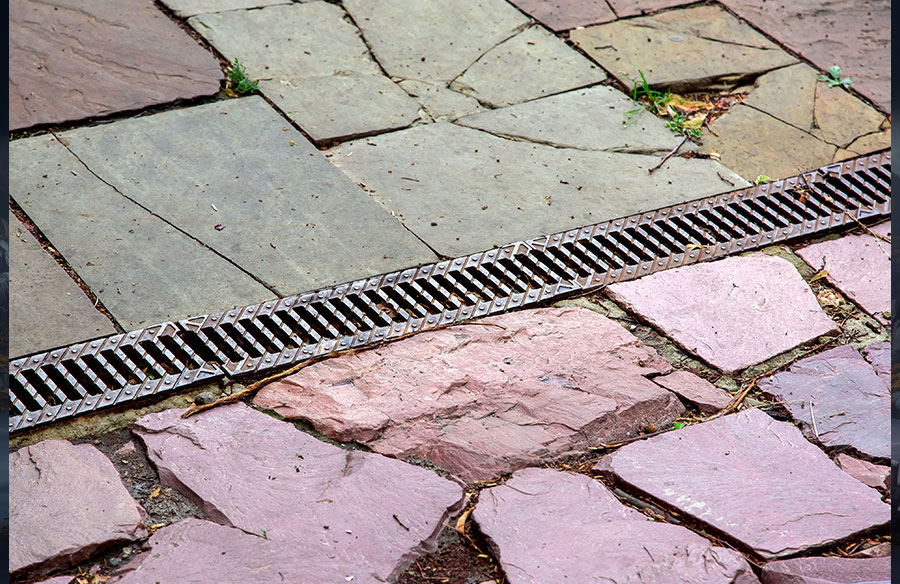
Downspout placement, grading adjustments, and surface drainage planning all influence how effectively water moves around a property. Experienced contractors evaluate the entire landscape rather than addressing isolated wet spots individually. Yards Unlimited Landscaping often helps homeowners identify how seemingly minor drainage concerns connect to broader property protection issues.
Plant Selection Matters in Moisture-Prone Areas
Some landscape problems develop because plants are installed without considering local moisture conditions properly. Certain trees, shrubs, and ornamental plants struggle when roots remain exposed to excessive water for long periods. Weak root systems eventually affect plant health, stability, and overall appearance.
Overwatering symptoms are commonly mistaken for underwatering because both conditions can cause yellowing leaves or poor growth. Homeowners may unintentionally worsen the issue by adding additional irrigation to already saturated areas. Careful plant selection helps reduce maintenance challenges while supporting healthier long-term growth.
Landscaping professionals consider drainage patterns before recommending vegetation for specific sections of a property. Matching plants to soil conditions improves survival rates and creates more sustainable outdoor environments overall. Thoughtful planning reduces unnecessary replacement costs and ongoing frustration related to struggling plant health.
Seasonal Weather Changes Often Expose Existing Drainage Weaknesses
Drainage problems frequently become more noticeable during seasonal weather shifts, especially after heavy storms or rapid snowmelt. Properties that appear manageable during dry periods may suddenly experience standing water, erosion, or flooding once rainfall increases. Existing weaknesses become more visible when the landscape faces larger water volumes.
Ottawa’s seasonal climate changes place additional stress on outdoor surfaces because freeze-thaw cycles repeatedly affect soil movement and moisture levels. Water trapped beneath walkways or retaining structures expands during freezing temperatures, increasing the likelihood of cracking and shifting. Repeated seasonal pressure gradually weakens poorly drained areas further.
Preventive landscaping strategies help properties adapt more effectively to changing weather conditions throughout the year. Drainage-focused upgrades improve resilience by reducing water accumulation before seasonal extremes create larger structural concerns. Landscaping in Ottawa often requires long-term planning that accounts for both heavy rainfall and winter freeze conditions together.
Erosion Slowly Alters the Shape of Outdoor Spaces
Water runoff naturally follows the path of least resistance across a property. Without proper drainage management, moving water gradually carries away soil from vulnerable areas and changes landscape contours over time. Erosion may initially appear subtle but can eventually affect both aesthetics and structural stability.
Sloped properties are especially vulnerable because concentrated runoff gains speed as it travels downhill. Exposed roots, washed-out mulch, and uneven planting beds often indicate ongoing erosion problems beneath the surface. Left untreated, erosion can compromise pathways, retaining walls, and planting zones significantly.
Strategic drainage planning helps control runoff direction while stabilizing vulnerable soil areas. Proper grading, retaining features, and drainage systems work together to reduce long-term erosion pressure throughout the landscape.
Drainage Planning Protects Both Beauty and Functionality
Successful landscaping involves more than selecting attractive plants or installing decorative outdoor features. Long-term functionality depends heavily on how efficiently a property manages water movement throughout changing seasons. Drainage planning helps preserve both structural integrity and visual appeal over time.
Addressing water flow problems early usually prevents larger repair expenses later. Small drainage corrections can significantly improve lawn health, hardscape durability, and overall property stability before visible damage becomes severe. Preventive landscaping solutions often provide stronger long-term value than repeated surface-level repairs.
Experienced professionals understand how grading, soil conditions, and outdoor design interact across the entire property. Yards Unlimited Landscaping continues helping homeowners create outdoor spaces that remain functional, durable, and visually appealing through drainage-conscious planning designed for long-term landscape performance.