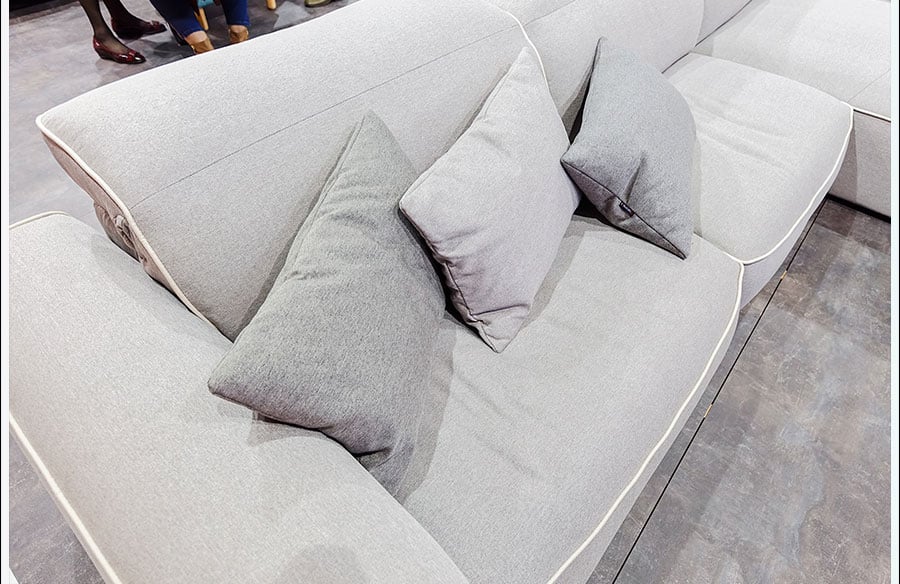
Firmness of a seat cushion shapes how it feels during long sits, not just at first glance. Because people sit differently, what works for one might fail another. A softer pad may welcome you warmly but sag fast, whereas stiffer ones hold form longer. How a family uses their sofa – naps, chats, kids jumping – affects which density lasts. Picking without thinking about daily routines risks sore backs or unused corners. Colors fade, covers wear, yet support level stays central to real comfort. The best choice ties closely to body type, favorite positions, everyday traffic. Even small differences in softness shift how cozy a room feels over months.
Understanding Cushion Firmness
Most sectional couch pads fall somewhere between squishy, average, or tight-packed. A looser fill gives that sink-in vibe, whereas stiffer ones hold form better and back you up more. In-between versions mix give and stability, which is why so many living rooms land there. Getting familiar with those types trims down picks long before sitting on anything real.
Comfort isn’t just personal taste – it ties closely to how well your body stays supported. After hours on their feet, some like vanishing into plush padding; others need firmness to keep shoulders back and spine aligned. What feels best usually links more to daily habits than hunting down the squishiest fabric around.
Considering Daily Use
Most families using a sofa nightly need something tougher under the fabric. Evening after evening, body weight works against soft stuffing. Cushions that feel plush at first often dip too soon when sat on daily. A spare-room couch, touched just now and then, can get away with gentler padding. Firmness helps busy seats bounce back, keeping their shape longer. Regular stress changes how filling holds up inside.
When kids live at home or relatives share space, furniture must hold up while staying cozy. Because meals happen there, plus lounging and TV time, cushions that bounce back matter a lot. How stiff or soft they feel should match what everyone does each day. Picking the right give means less sagging later, fewer regrets down the road.
Match Firmness To Body Support
Most people find their perfect seat firmness depends on how they carry weight plus what feels comfortable. When someone needs more lower back help, a solid cushion can make sitting straighter simpler – also helps get up without straining. Loose padding might press too hard somewhere if the base gives too much.
Some folks who feel stiff in their joints or achy in the lower back tend to land on medium-firm support. This level gives cushioning without letting the body drop too deep. Trying out different feels ahead of buying shows clear shifts in how restful a bed might be.
Evaluating Filling Materials
Inside, what fills a cushion shapes how it feels just as much as its cover. Not stiffness alone comes from structure – foam tightness, fibers used, or mixtures with down change everything. Often firmest and longest lasting? That is high-density foam. Down brings sink-in comfort, along with a casually rumpled look.
Not every filling gets it right, yet some manage a balance between softness and strength. Inside certain cushions, firm foam sits beneath plusher layers, holding shape while staying cozy. What lies underneath the fabric can reveal how long that cozy feel will last. Over time, materials respond differently – knowing what they are makes outcomes easier to see.
Thinking About How Rooms Work
Most times comfort wins where people gather to unwind. A stiff cushion holds its form longer when guests sit briefly. Where talking happens slowly, support matters less than softness. Shape retention gets attention only if looks must stay sharp between visits.
Most folks plop down on their sectional when the day winds down. Picture one tucked into a corner where talk spills out after dinner. Firm enough to hold posture during chat sessions. Yet soft enough so someone might drift off midday, head tipped sideways. This middle ground handles popcorn crumbs and stretched-out legs alike. Support stays steady whether feet dangle or bodies sprawl. Comfort shifts subtly depending who sits where. Each person finds their own pocket of ease.
Balancing Comfort And Maintenance
Firmness often wins when life gets hectic. Though soft seating feels cozy at first, it tends to sag sooner – needing constant plumping. Between guests, kids, and daily wear, tougher padding holds its shape without extra care. Ease matters just as much as how something feels right now.
Most days, keeping things running smoothly feels more important than perfect looks. People who regularly organize chores around a washer and dryer may appreciate furniture that holds its shape and requires minimal adjustment. Over weeks, not needing much care might matter even more than how plush something seems at first touch.
Align With Furniture Arrangement
Most people overlook how cushion hardness shapes a space. A plush seat pulls the mood toward relaxed, almost lazy vibes. Yet stiff padding tends to follow cleaner lines and sharp corners found in organized rooms. Matching your sit-down spots to the rest of the look just makes sense. Balance matters without calling attention to itself.
Light spills differently when chairs face away from windows. Rugs anchor pieces, shifting how space breathes around them. Table position alters movement, nudging where feet wander. Seating shifts character depending on support – too soft, it sags into disuse; too stiff, it keeps hips tense. Harmony hides in proportions, not rules. Firmness meets comfort only when tested by actual sitting, day after day.
Making The Final Decision
Most people need a mix of steady backing and long-lasting build when picking how firm their seat feels. Since what works changes from one person to another, trying out chairs ahead of time makes sense. How your posture lines up plus daily routine shapes smarter picks.
A chair might feel plush at first yet fall short over time. What matters is how well it matches your body, slips into daily life, stays supportive years later.
Comfort isn’t just about softness when you sit down once. Because how often you use a cushion changes what works best over weeks or months. Yet your posture matters too – some shapes hold better than others. Even fabric type plays a role, since not every material handles wear the same way. While the cleaning effort might seem small now, spills happen without warning. But matching cushions to room purpose helps them fit naturally into life. Over days, these details add up – not with drama, but steady ease. Furniture lasts longer when choices align with real habits. Slowly, comfort turns into something familiar, almost unnoticed. Still, the difference shows in quieter backs and calmer rooms.