
Picture a dispatcher closing the week with 17 browser tabs open. Drivers text photos of delivery receipts, accounts payable hunts for a detention email, and two owner-operators argue over a missing fuel reimbursement.
The problem is not effort. It is system design. Data sits in separate tools, rules live in people’s heads, and handoffs have no clear timestamps.
Logistics workflow automation fixes that by standardizing inputs such as documents and telemetry, applying pay rules in a rate engine, the software that calculates pay, and pushing approved settlements through ACH, the Automated Clearing House bank network. If you need a practical starting point, ToroTMS offers a settlement platform for drivers that handles per-mile, percentage, and extra-charge pay rules and exports clean files to payroll.
A strong rollout starts with the current settlement path. Then it fixes the biggest breaks: document capture, rule design, electronic logging device, or ELD, and transportation management system, or TMS, validation, accounts payable setup, and a short scorecard that can show value within 90 days.
Key Takeaways
Clean inputs, clear rules, and fast payments do most of the work.
- Automate inputs first. Standardize electronic proof of delivery, electronic bills of lading, and electronic consignment notes, then pull ELD and TMS events. In 2024, trucking still moved more than 72 percent of U.S. freight tonnage, while 91.5 percent of carriers ran 10 or fewer trucks.
- Codify rules. A rate engine with clear precedence, contract, lane, customer, then default, removes spreadsheet workarounds.
- Pay faster. Same Day ACH reached about 1.4 billion payments in 2025 and moved 3.9 trillion dollars.
- Route exceptions, not everything. Auto-settle the clean 70 to 90 percent and send the rest to owners with deadlines.
- Design for auditability. Each pay line should show its source event, document, timestamp, and rule.
- Start small. Pilot one terminal or region, measure close time and disputes, then repeat the pattern.
What Driver Settlement Automation Does
Settlement automation works when every pay line ties back to an event, a document, and a rule.
Teams often need one dependable place to define per-mile, percentage, detention, reimbursement, escrow, advance, and deduction logic before they automate the rest of the close, because scattered spreadsheets make every rule change harder to trace, review, and approve across dispatch, finance, and payroll. In that stage, many fleets first compare and test driver settlement software before expanding the same rules into broader back-office workflows.
A normal load can move from dispatch to pay with very little human touch. Dispatch creates the order, the driver arrives, and the ELD captures the timestamp.
When loading ends, the detention clock stops and the truck departs. Delivery ends with an electronic proof of delivery on a phone or tablet, and the rate engine applies mileage, percentage, accessorial, and deduction rules within minutes.
For company drivers, the approved lines go to payroll with miles, hours, and deductions. For 1099 contractors, they go to accounts payable for ACH payout with revenue share and reimbursements. The rule pack changes, but the data path stays the same.
Compliance already supplies much of the digital backbone. The FMCSA ELD mandate took effect on December 18, 2017, and grandfathering for older automatic onboard recording devices, or AOBRDs, ended on December 16, 2019. FMCSA estimated more than one billion dollars in annual net benefits, much of it from less paperwork.
Rule precedence matters as much as data capture. A customer-specific detention rule should beat a lane default, and a temporary surcharge needs an effective date so it does not rewrite older settlements.
3 Big Benefits of Automating Settlements
The biggest gains are faster close, fewer disputes, and better capture of extra charges.
McKinsey estimates that at least 30 percent of activities in about 60 percent of occupations can be automated. Back-office settlement work is a strong candidate because the steps are repetitive, rules-based, and easy to timestamp.
Close Faster With Fewer Touches
Digital capture plus nightly rule runs can compress close time from days to hours. Staff review an exception queue instead of re-keying every load.
At a 120-truck regional fleet with 1,200 weekly loads, eight minutes of entry and five minutes of verification per load adds up quickly. If automation handles 80 percent of that work, the team gets back about 208 staff-hours each week.
Reduce Disputes and Build Driver Trust
Drivers trust pay when they can see the evidence. Each line should show the source, such as gate timestamps, an electronic bill of lading note, or a fuel receipt.
A mobile view with pending pay, source details, and a one-tap dispute flow changes the conversation before payday. A reviewer still needs to decide edge cases, but those cases stop consuming the whole office.
Capture More Accessorial Revenue
Accessorials are extra charges beyond the base trip rate, such as detention, layover, stop pay, and lumper fees. Standardized document fields and TMS events can trigger those charges automatically so billing and settlement stay aligned.
Missing just 12 minutes of detention across 1,000 weekly stops at 75 dollars an hour equals about 15,000 dollars in leakage every week. Small misses become large losses when nobody captures them in a consistent way.
What to Digitize So Settlements Run Themselves
Start with inputs, then rules, then exceptions.
 Documents: Electronic Bills of Lading, eCMR, and Electronic Proof of Delivery
Start with electronic bills of lading, electronic proof of delivery, and, on European lanes, the electronic consignment note known as eCMR. NMFTA’s Digital LTL Council, focused on less-than-truckload freight, says its electronic bill of lading application programming interface, or API, standard helps reduce manual error, improve visibility, and speed handoffs, while eCMR is now live in 41 countries.
Use a barcode or QR code on the bill of lading number so every load links back to the right image, stop, and customer. That single key reduces duplicate documents and false pay disputes.
Telemetry: ELD and Geofence Events
Use ELD and telematics geofence events, location-based arrival and departure signals, to confirm when a truck reached a facility and when it left. Reconcile them with gate logs when possible.
FMCSA’s 2023 oversight reporting says ELDs materially reduce hours-of-service record-keeping burden. The same data can validate detention and dwell when the document trail is thin.
Data Extraction for Residual Paper
Paper will linger, especially for lumper receipts, scale tickets, and handwritten notes. Use optical character recognition, or OCR, to read the easy items and send low-confidence reads to a human review queue.
That last 10 to 20 percent is where manual work should live. Do not let it dictate how you handle the clean 80 to 90 percent.
Rate-Rule Library
Model per-mile pay, revenue percentage, flat rates, lane and customer overrides, fuel surcharges, toll reimbursements, advances, escrow deductions, and caps or floors. Keep practical-mile and household-goods-mile logic separate if you use both.
Version each rule by effective date and owner. When a pay complaint comes in, your team should be able to see which rule fired and why.
Exception Taxonomy
Create routed queues for detention proof gaps, accessorial mismatches, missing delivery images, and unreadable fuel receipts. Give each queue a service-level agreement, or SLA, plus a named owner.
APQC benchmarks show best-in-class accounts payable teams process invoices for under five dollars each, while laggards can spend 20 to 30 dollars. Exception routing is one of the clearest ways to close that gap.
| Criteria | Spreadsheet | TMS Add-On | Dedicated Settlement Platform
|
|---|---|---|---|
| Rule Flexibility | Low, formulas break | Moderate, template-based | High, versioned rule engine |
| Source-of-Truth Links | None | Partial, TMS events only | Full, ELD, proof of delivery, and bill of lading data |
| Exception Routing | Manual email | Basic flags | SLA-driven queues with owners |
| Audit Trail | File versions | Event log | Tamper-resistant log with reason codes |
| ACH Integration | Export and re-key | Batch file export | Direct API with Same Day ACH |
| Best For | Under 15 trucks, simple pay | Mid-size fleets with one pay model | 50-plus trucks with mixed pay types |
Treat rate rules like code. Use version control, release notes, and rollback plans so payday never surprises drivers.
Where to Deploy So Data Flows
Automation works best inside the systems that already capture operational truth.

TMS: The transportation management system should act as the central hub. It needs event feeds or APIs for load events and one clear home for lane and customer overrides, not two conflicting rule sets.
ELD and Telematics: Use geofenced arrival and departure events to support detention claims. Watch for weak GPS at dense urban sites and for manual status changes that need review.
AP and Payroll: W-2 driver lines should sync to payroll calendars and employee records. Contractor lines should flow to accounts payable for ACH payout. The ACH Network handled 8.74 billion direct deposits in 2025, so this is a normal rail, not an edge case.
Fuel Cards and Advances: Ingest daily feeds, auto-match them to loads when possible, and show every deduction as a visible line item. Hidden offsets are a fast way to create distrust.
Reporting Layer: Store clean settlement records for trend analysis across shipper dwell, exception root cause, and accessorial yield by customer. Consistent driver, tractor, customer, and code IDs matter as much as the integration itself.
How to Track Automation Success
Measure a baseline before go-live or the win will stay anecdotal.
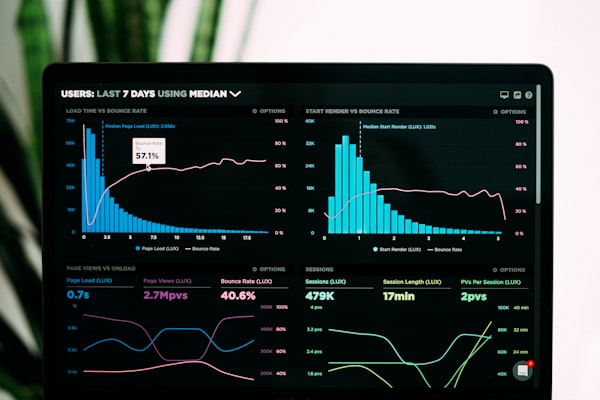 Cost per settlement: Add back-office labor, software cost, and payment fees, then divide by total settlements. Track it weekly so you can spot step changes after each rollout wave.
Close time: Measure hours from delivery timestamp to settlement posted. A manual baseline of 72 to 96 hours should fall below 24 hours for loads that pass automatic approval.
Exception rate: Divide exceptions by total settlements. A practical target is below 20 percent by the third automation wave.
On-Time Pay Percentage: Divide settlements paid on schedule by total settlements. Anything below 98 percent usually points to queue ownership or missing document issues.
Dispute Cycle Time: Track the median time from dispute opened to dispute closed. Self-service evidence links can push that figure under 48 hours.
Accessorial Capture Rate: Divide auto-captured accessorials by eligible events. A 25 to 50 percent lift from the pre-automation baseline is a realistic early target.
Run a weekly operations review and sample 30 random settlements. Log the cause of every exception, then publish disputes per 100 settlements as a driver-trust measure that finance and operations can both understand.
Make Automation Work for You, Not Against You
Start with a narrow pilot and build confidence before you expand.
Pick one terminal or region, encode the 80 percent of rules that cover most pay, integrate electronic proof of delivery plus ELD events, and run the new flow in parallel for two settlement cycles. The exception log will tell you what to fix next.
Change management matters as much as software. Write rule definitions with dispatch, payroll, and a small driver council, then publish release notes whenever a rule changes.
Before go-live, assign owners and playbooks for GPS gaps, missing documents, bad rule precedence, and ACH returns. The fleets that treat settlements like a product, versioned, measured, and improved every week, will close faster and lose less trust.
Frequently Asked Questions
The common questions are usually about scope, timing, and proof.
What Is the Difference Between Driver Settlements and Payroll?
Settlements calculate pay lines from operational activity and rules, including reimbursements and deductions. Payroll executes payment and tax handling for W-2 employees, while accounts payable handles contractor payout.
How Long Does a Pilot Take?
Plan for about six to ten weeks at one terminal. The early weeks cover process mapping and rule setup, the middle weeks cover integrations and testing, and the final weeks cover parallel runs and go-live support.
Will This Work for Both Company Drivers and Owner-Operators?
Yes. Use different rule packs and outputs, payroll for W-2 drivers and accounts payable for 1099 contractors. The underlying architecture stays the same.
Can We Do This Without Replacing Our TMS?
Usually, yes. Many fleets start by adding electronic document capture, a rate engine, and ACH integration beside the existing TMS, then replace the TMS later only if it blocks scale or data quality.
How Do We Prove ROI?
Track hours saved, lower exception rates, stronger accessorial capture, fewer disputes, and faster time to pay. Convert those changes into labor cost and cash-flow impact, then verify them against the audit trail.