
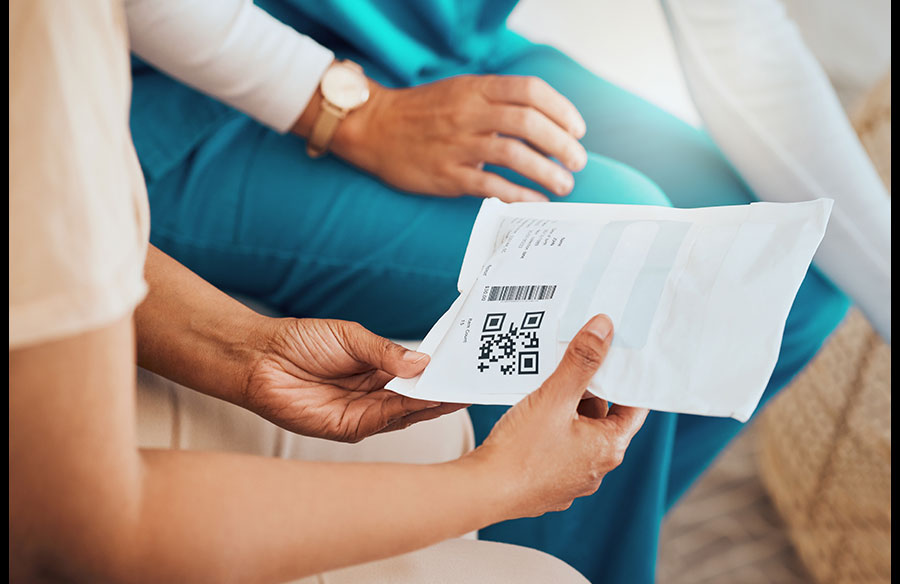
Wedding planning has changed significantly in recent years. Couples are looking for ways to simplify organization, reduce stress, and create smoother experiences for guests without sacrificing style or personalization. As digital tools become more integrated into everyday life, many couples are now using a wedding rsvp qr code to streamline invitations, guest responses, and event communication.
Traditional RSVP methods often involve paper response cards, manual guest tracking, and repeated follow-ups with attendees. While these methods remain familiar, they can become time-consuming and difficult to manage, especially for larger weddings. QR technology offers a more efficient solution by allowing guests to access RSVP forms, event details, maps, schedules, and updates instantly through a smartphone scan.
What makes QR codes especially attractive for weddings is their ability to combine practicality with elegant design. Modern QR systems can be fully customized to match invitation aesthetics while also improving organization behind the scenes. As more couples seek flexible and convenient planning solutions, QR-powered wedding communication is becoming increasingly popular.
Why QR Technology Works So Well for Weddings
Wedding planning involves constant coordination between guests, vendors, venues, and schedules. Even small communication challenges can create unnecessary stress during the planning process. QR technology simplifies many of these interactions by centralizing important information in one easily accessible place.
Instead of including multiple inserts, printed directions, accommodation details, or RSVP cards, couples can direct guests to a digital wedding page through a simple scan. This allows invitations to remain visually clean while still providing access to all necessary information.
Another major advantage is flexibility. Wedding details often change during the planning process, whether related to schedules, transportation, accommodations, or event logistics. Dynamic QR systems allow couples to update digital content without reprinting invitations or notifying guests individually.
QR codes also improve convenience for guests. Rather than filling out paper forms or manually typing URLs, attendees can respond to invitations instantly through mobile-friendly forms or event pages. This significantly reduces friction and often leads to faster response rates.
As weddings become more personalized and digitally connected, QR technology offers a practical way to simplify planning while maintaining a polished guest experience.
How a qr code wedding invitation Enhances Guest Communication
A modern qr code wedding invitation does much more than replace a paper RSVP card. It creates a direct digital connection between couples and guests throughout the entire event process.
One of the most common uses is linking invitations to wedding websites where guests can find schedules, venue details, dress codes, accommodation recommendations, registry information, or transportation instructions. Instead of overcrowding printed invitations with excessive information, couples can keep the design elegant while still providing comprehensive event details online.
QR-enabled invitations also improve communication efficiency. If plans change, couples can update information on the connected landing page instantly without needing to resend printed materials. This flexibility is especially valuable for destination weddings or multi-day celebrations where schedules may evolve.
Another important benefit is personalization. Couples can create branded digital experiences that reflect the overall wedding aesthetic, including custom colors, fonts, photos, and event themes. This helps maintain visual consistency between printed invitations and digital wedding pages.
Guests also appreciate the convenience. Many attendees are already comfortable using QR codes in restaurants, retail stores, and events, making the experience intuitive and familiar. A quick smartphone scan provides immediate access to all relevant wedding information in one place.
As modern weddings continue blending physical and digital experiences, QR-powered invitations are becoming an increasingly practical and stylish solution.
Benefits of Using a qr code generator for wedding rsvp
Managing guest responses is often one of the most time-consuming parts of wedding planning. A reliable qr code generator for wedding rsvp helps simplify this process by automating response collection and improving organization.
Traditional RSVP tracking often involves handwritten cards, spreadsheets, manual follow-ups, and constant communication with guests who forget to respond. QR-based RSVP systems reduce much of this administrative work by collecting responses digitally in real time.
Guests can scan the code directly from the invitation and submit attendance confirmations through mobile-friendly forms within seconds. This creates a smoother experience for attendees while giving couples faster access to accurate guest information.
Digital RSVP systems also allow couples to collect additional details more efficiently. Meal preferences, dietary restrictions, plus-one confirmations, accommodation needs, or transportation requests can all be managed through a single online form.
Another major advantage is response tracking. Couples can monitor RSVP progress in real time instead of manually organizing paper responses. This improves planning accuracy for seating arrangements, catering, and venue coordination.
QR RSVP systems are especially useful for larger weddings where managing hundreds of guest responses manually can quickly become overwhelming. Automation helps reduce errors while improving overall organization throughout the planning process.
Because most guests already use smartphones daily, QR-based RSVP systems feel natural and accessible without requiring complicated technology or additional applications.
Choosing the best qr code generator for wedding invitations
Selecting the best qr code generator for wedding invitations is important for couples who want both functionality and visual quality. Not all QR platforms provide the same level of customization, reliability, or flexibility.
One of the most important features is design customization. Wedding invitations are highly personal, and QR codes should complement the overall aesthetic rather than look overly technical or disconnected from the design. Platforms that support color adjustments, custom frames, logos, and elegant styling options help create more cohesive invitations.
Dynamic QR functionality is another major advantage. Couples should be able to update linked content without changing the QR code itself. This flexibility makes it easier to adjust schedules, venue details, accommodation information, or RSVP forms during the planning process.
Mobile optimization is equally important. Wedding guests will primarily access information through smartphones, so linked pages and forms should function smoothly across different devices.
Ease of use also matters. Couples often manage multiple planning responsibilities simultaneously, so a QR platform should be simple to set up and maintain without requiring advanced technical skills.
Analytics capabilities can also provide helpful insights. Some QR platforms allow couples to monitor scan activity and RSVP engagement, making it easier to identify guests who may not have viewed important information yet.
Security and reliability should not be overlooked either. Wedding invitations contain personal event details, so choosing a trusted platform helps ensure stable access and a positive guest experience.
The Growing Popularity of Digital Wedding Experiences
Modern weddings increasingly combine traditional elements with digital convenience. Couples want efficient planning tools while still maintaining emotional and personal experiences for guests. QR technology supports this balance by simplifying logistics without removing the elegance of printed invitations.
Many wedding planners and designers now incorporate QR codes directly into invitation suites, signage, seating charts, welcome packages, and event programs. Guests can use QR scans to access photo galleries, livestream links, music playlists, or personalized schedules throughout the celebration.
Sustainability is another factor influencing adoption. Digital RSVP systems reduce paper usage while minimizing printing and mailing costs. Couples looking for more environmentally conscious wedding solutions often appreciate these benefits.
As digital communication becomes even more integrated into social events, QR technology will likely continue expanding within the wedding industry. Couples increasingly value convenience, flexibility, and personalized guest experiences, all of which QR systems help support.
Final Thoughts
The growing use of the wedding rsvp qr code reflects how modern couples are combining technology with elegant event planning. QR systems simplify guest communication, reduce administrative stress, and create more flexible wedding experiences without sacrificing personalization or style.
A well-designed qr code wedding invitation helps couples organize information more efficiently while improving convenience for guests. At the same time, a reliable qr code generator for wedding rsvp streamlines response collection and simplifies planning coordination throughout the entire event process.
Choosing the best qr code generator for wedding invitations allows couples to create polished, mobile-friendly, and visually cohesive experiences that align with modern expectations for convenience and communication.
As wedding planning continues evolving, QR technology is becoming one of the most practical tools for creating organized, interactive, and memorable celebrations.