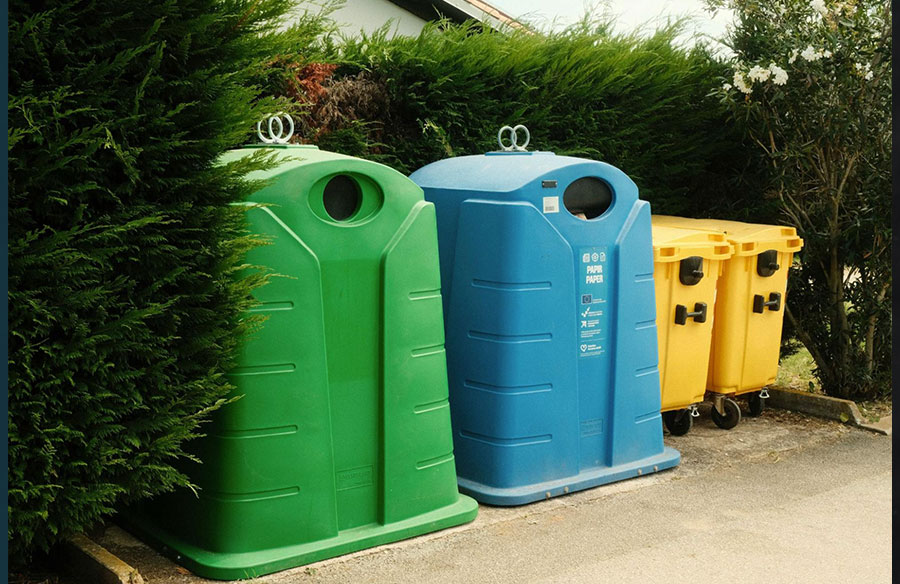
I watched a Melbourne laneway job stall before the first tree went in. The planting plan was solid, but no one had worked out where the broken concrete and old asphalt would go.
Three skips turned up without a council permit. The rain garden pit became a rubble pile, and the crew lost two weeks fixing a problem that should have been solved on paper.
Since then, I have treated outdoor design and waste logistics as one job. When shade, drainage, access, and bin staging are planned together, the site runs cleaner and the budget holds up better.
That approach works for Australian architects, landscape architects, urban designers, council officers, and small developers upgrading courtyards, streets, forecourts, and civic spaces. The goal is simple, cooler places, better drainage, and fewer disposal surprises.
Key Takeaways
Strong outdoor projects work best when cooling, drainage, and waste handling are planned as one system.
- Set three clear targets. Track shade, soakage, and waste diversion from the first sketch to final handover.
- Stage bins early. Put skips where trucks can reach them without blocking paths, parking, or emergency access.
- Use simple, durable specs. Climate-ready plants, tested soils, and lighter hardscape cut rework and long-term maintenance.
- Separate waste on site. Even a tight site can manage clean rubble, metals, green waste, and residuals with small bins and timed swaps.
- Follow local rules. Melbourne councils expect canopy and WSUD outcomes, and Penrith requires approval for skips on public land.
What Sustainable Design And Smart Waste Mean
Clear definitions make better decisions and stop teams talking past each other.
Sustainable landscape design means arranging planting, soils, water, and materials so a place stays cooler, drains well, and is easy to maintain. WSUD, short for water sensitive urban design, sits inside that approach and uses rain gardens, tree pits, swales, and permeable paving to slow, clean, and reuse stormwater.
Smart waste logistics means planning how materials arrive, get sorted, stay contained, and leave the site with proof of reuse or recycling. In 2022 to 2023, Australia generated about 29.2 million tonnes of construction and demolition waste, about 39 percent of total headline waste, and the sector recovered about 81 percent of it.
That is why early planning matters. On small urban sites, checking access, permits, drainage intent, planting zones, and reuse options before tender can reveal hidden delivery issues. For Melbourne teams linking concept work to local site realities on constrained redevelopment and laneway projects from day one with local delivery detail, landscape design Melbourne can help surface permit risks and material choices before they slow the job.
Quick Climate Wins To Design In Week One
Three early moves do most of the heavy lifting on a small outdoor site: put shade where people actually walk and sit, slow water before it reaches the drains, and use lighter hardscape in the hottest zones. Each is cheap to draw in week one and expensive to retrofit later, which is why they belong in the first set of sketches rather than the value-engineering round. Looking at how other cities have handled the same brief can sharpen your own choices, and there is plenty of climate responsive public space design worth reviewing before you finalise the planting and paving palette for a Melbourne or Sydney site
Put Shade Over Daily Use
Place canopy trees or shade structures over main walking lines and seats used between 11 am and 4 pm. The City of Melbourne’s Urban Forest Strategy targets 40 percent canopy cover by 2040, so even small projects can support a larger civic goal.
Slow Water Before It Reaches Drains
Put rain garden tree pits at downpipes and hardstand low points. Melbourne Water guidance shows rain gardens treat regular runoff and can bypass extreme events, and a Melbourne case study found permeable pavements reduced discharge by about 12 percent in short, frequent storms.
Use Lighter Hardscape In Hot Zones
Use pale pavers or light, open-graded toppings in sunny plazas and entries. Keep darker finishes only where you need extra grip or want a little warmth in winter.
Materials And Planting That Last
The right materials save money twice, once during construction and again during maintenance.
 Specify Tested Soils
Call for AS 4419:2018 compliant soils and ask for lab tests on pH, organic matter, and wettability. That standard gives you a reliable base for plant growth and fewer replacement losses.
Choose Climate-Ready Plants
For Melbourne work, species such as Banksia integrifolia, Lomandra longifolia, Dianella tasmanica, and Eucalyptus sideroxylon can handle heat and dry spells when the site suits them. Match the palette to wind, clearance, and maintenance access, not just the look board.
Reuse Materials Where Possible
Prioritise reclaimed stone, recycled glass sand in bedding, and FSC-certified timber where it fits the brief. Building and demolition materials reached an estimated 84 percent resource recovery by material category in 2022 to 2023, so reuse options are real, not theoretical.
Plan Waste Like You Plan Planting
A simple waste plan keeps the site safer, cleaner, and cheaper to run.
 Write A Simple Waste Plan
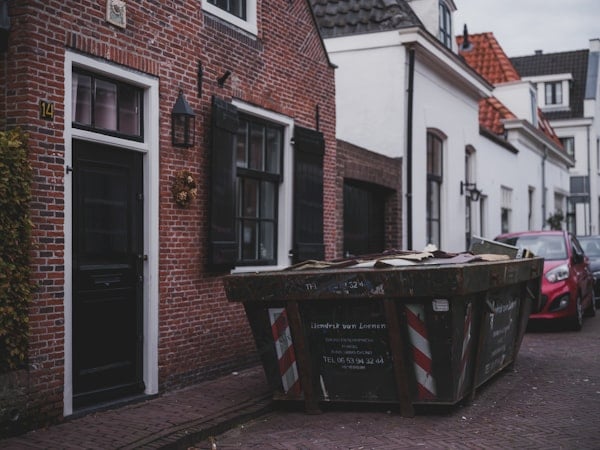
List expected waste by phase, demolition, build, and landscaping, then show where each stream will sit on the site plan. Penrith’s Development Control Plan requires Waste Management Plans that cover types, volumes, storage, treatment, and disposal, and the same discipline helps anywhere.
Keep At Least Three Waste Streams
Start with clean rubble, metals, and mixed residuals, then add green waste once planting begins. If the site feels too small, use smaller bins and tighter changeovers rather than one overflowing skip that contaminates everything.
Separate Hazardous Waste Early
Asbestos, paints, chemicals, and treated timber must stay out of general skips. NSW EPA guidance requires asbestos to go to a licensed facility, so brief contractors before demolition and keep exclusion lists in writing.
Melbourne Notes: What Councils And Clients Expect
Melbourne projects move faster when your drawings show canopy, infiltration, and maintenance thinking from the start.
Councils and clients increasingly expect clear WSUD outcomes and a visible contribution to urban forest goals. In tight laneways, school edges, and forecourts, permeable paving and rain gardens can fit small cross-sections without crowding pedestrian movement.
Permeable paving can cost more upfront, but it can reduce runoff and lessen drainage pressure later. This quick comparison helps when you are weighing common hardscape options.
| Surface Type | Upfront Cost | Runoff Reduction | Maintenance
|
|---|---|---|---|
| Permeable paving | Medium-high | High (up to 50%+) | Vacuum sweep quarterly |
| Standard concrete | Medium | Very low | Hose and patch |
| Compacted gravel | Low | Moderate | Top-up and regrade |
If you are chasing a Green Star outcome, align your waste flow reporting early. Strong docket records, stockpile photos, and clear separation notes are much easier to build during the job than after it.
Western Sydney Notes: Bins, Permits, And Staging In Penrith
In Penrith, good staging matters as much as good design.
Placing a skip bin on public land in Penrith generally needs council approval, and it is worth confirming who lodges the application before you book anything. The provider, builder, and client should all know the permit lead time.
Match bin deliveries to demolition milestones, protect footpaths with timber or rubber mats, and keep sight lines clear near driveways. Smaller, more frequent swaps usually work better than one oversized skip that sits half full for days.
If local timing and size advice would help, lock in permits, set bin sizes against demolition volumes, confirm swap windows, and check where trucks can stage without blocking driveways or footpaths. For Western Sydney teams managing busy suburban sites during demolition and early landscape works with tight access and neighbours, affordable skip bin hire in Penrith can help align pickups, permit support, and delivery timing before work starts.
How To Measure Success On Site
You can prove performance on site with a few basic tools and steady record keeping.
Check Surface Cooling
Use a handheld infrared thermometer to compare shaded and unshaded paving at the same time of day. A simple weekly log through warm months will show whether your shade plan is working.
Test Infiltration Rates
Run a single-ring infiltration test in lawn or rain garden media and record millimetres per hour with the date. Repeat after installation and after heavy-use periods so you can spot compaction early.
Track Waste Diversion
Keep weighbridge dockets and calculate diversion as recycled plus reused, divided by total waste, then multiplied by 100. Site photos of separated stockpiles make those records easier to defend.
Conclusion
The best outdoor upgrades stay on track because the site plan and waste plan support each other from the first meeting.
Start with a half-day site walk, mark shade and drainage priorities, then draft a one-page waste plan before the first planting bed is drawn. That small step helps you avoid permit issues, dirty sites, and costly rework.
FAQs
These four questions cover the issues that usually slow small outdoor upgrades.
How Do I Start A Small Courtyard Or Forecourt Upgrade?
Walk the site and note sun, drainage points, access routes, and any trees worth protecting. Then write a one-page brief with shade goals, water handling, and likely waste streams.
Do Small Sites Really Need Separate Waste Streams?
Yes, because separation is what protects reuse and recycling rates. On a tight site, the answer is usually smaller bins and tighter swap times, not one mixed skip.
What Cannot Go Into A General Renovation Skip?
Keep asbestos, paints, solvents, chemicals, and treated timber out of general skips. These materials need separate handling and transport to a licensed facility.
What Is The Easiest Way To Check If The New Landscape Is Performing?
Use three simple checks, surface temperature with an infrared thermometer, soakage with a single-ring test, and waste diversion with weighbridge dockets. Together, they give you a clear read on site performance.