Contemporary residential design has shifted toward spaces that feel intentional, balanced, and visually engaging without becoming overwhelming. One of the most effective ways designers achieve this is through the use of focal elements, features that naturally draw attention and help define how a room is experienced. These elements serve as anchors within a space, guiding the eye and creating a sense of structure that enhances both aesthetics and functionality.
Rather than relying on excessive decoration, modern interiors often use a single standout feature to establish character. This approach allows the surrounding design to remain clean and cohesive while still delivering visual impact. As homeowners seek environments that feel both refined and livable, focal elements have become an essential part of shaping contemporary residential spaces.
Focal Points Create Visual Balance
Every well-designed space benefits from a clear visual hierarchy, and focal elements play a central role in establishing that balance. Whether it is a statement wall, a large window, or a distinctive architectural feature, these elements help organize the room and provide a natural starting point for the overall design.
Design approaches used by luxury home builders demonstrate how focal points can be integrated into a home’s structure rather than added as an afterthought. When incorporated during the design phase, these elements feel more cohesive and contribute to a stronger, more unified aesthetic.
Architectural Features Enhance Depth and Character
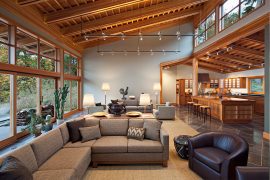
Focal elements are often built directly into the architecture of a home. Features such as exposed beams, custom staircases, or unique ceiling designs add depth and character while serving as visual highlights within a space. These details create interest without requiring additional decoration.
By focusing on architectural elements, designers can achieve a timeless look that remains relevant even as trends change. This approach also ensures that the focal point feels authentic, as it is part of the structure rather than a temporary addition.
Fireplaces Remain a Central Design Feature
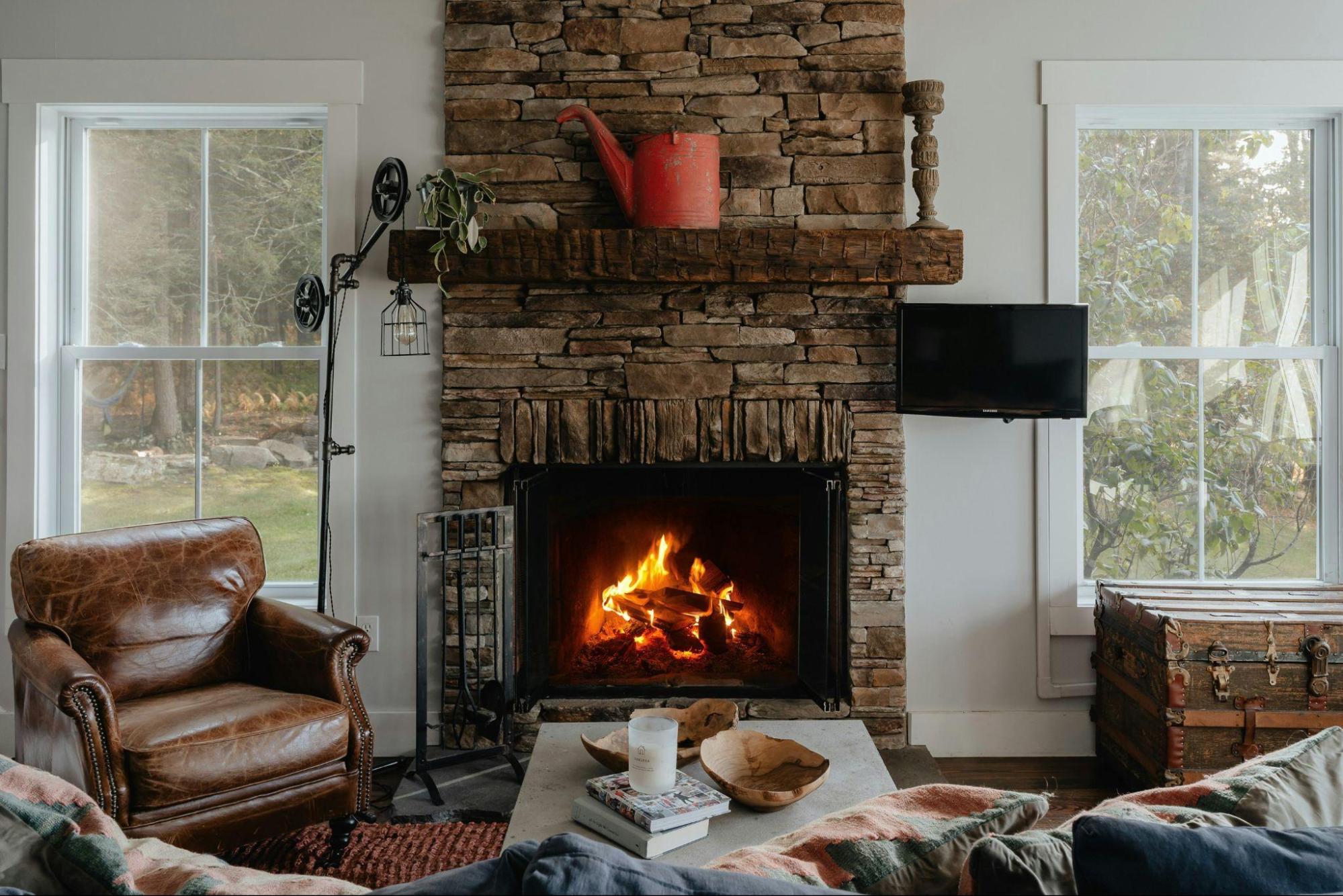
Despite the evolution of interior design, fireplaces continue to serve as one of the most recognizable focal elements in residential spaces. Their ability to combine function and visual appeal makes them a natural centerpiece, particularly in living rooms and open-plan areas.
Options available when homeowners buy modern fireplace online reflect how this traditional feature has been reimagined for contemporary design. Sleek forms, minimalist finishes, and advanced technology allow fireplaces to fit seamlessly into modern interiors while maintaining their role as a central point of focus.
Lighting Strengthens the Impact of Focal Elements
Lighting plays a crucial role in highlighting focal points and enhancing their presence within a space. Properly positioned lighting can draw attention to key features, create contrast, and add depth to the overall design.
According to the American Society of Interior Designers, strategic lighting is essential for emphasizing architectural details and improving the functionality of interior spaces. This reinforces the idea that focal elements are most effective when supported by thoughtful lighting design.
Minimalism Relies on Strong Visual Anchors
 Modern minimalist design often depends on a limited number of carefully chosen elements rather than an abundance of decorative features. In these spaces, focal points become even more important, as they provide the visual interest needed to prevent the design from feeling empty or unfinished.
By selecting one or two strong focal elements, designers can create a sense of purpose without overcrowding the space. This approach aligns with contemporary preferences for clean, uncluttered environments that still feel engaging and complete.
Focal Elements Influence How Spaces Are Used
Beyond their visual impact, focal elements also affect how a space is used. A well-placed feature can guide furniture arrangement, define functional zones, and influence how people interact within a room. For example, a fireplace often becomes the center around which seating is arranged, shaping the flow of the entire area.
This functional aspect highlights the importance of thoughtful placement. When focal elements are positioned effectively, they enhance both the appearance and usability of a space, contributing to a more cohesive and comfortable living environment.
Timeless Design Comes From Intentional Choices
The most successful residential designs are those that remain appealing over time. Focal elements contribute to this longevity by providing a strong foundation that does not rely on changing trends. When chosen carefully, these features can continue to define a space even as other elements evolve.
By focusing on quality, placement, and integration, homeowners and designers can create interiors that feel both contemporary and enduring. Focal elements, when used effectively, bring together aesthetics and function in a way that defines the essence of modern residential design.