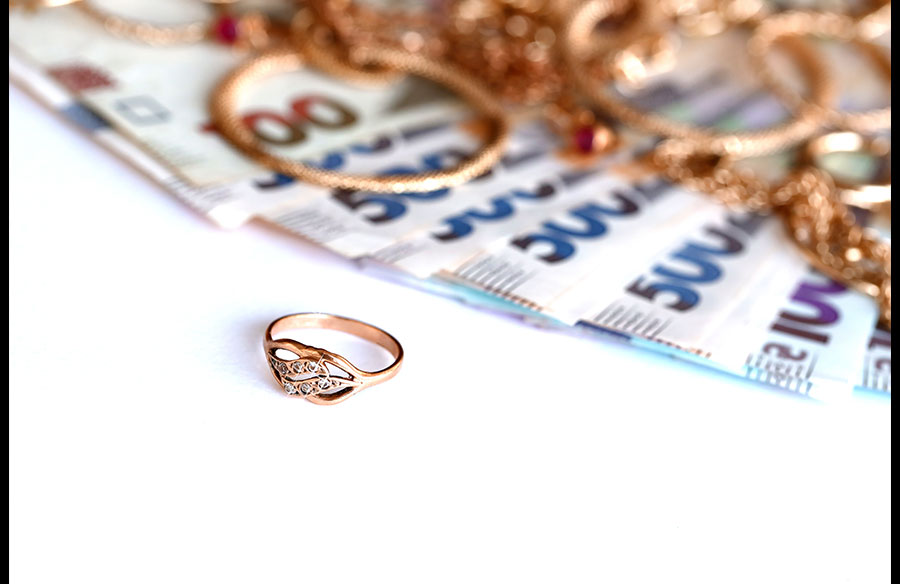
Selling your gold does not have to be overwhelming when you know how to approach it. Whether you are selling old jewelry, coins, or bullion, choosing the right time and place can make a meaningful difference in the value you receive and help turn unused items into cash with confidence.
Before selling, compare your options and research current gold prices to ensure you are making an informed decision. Working with reputable buyers who offer clear appraisals and fair pricing helps build trust and ensures you walk away with the best possible return for your gold.
Understanding the Value of Your Gold
Unlocking the true value of your gold requires knowledge of its purity, weight, and the current market prices. By focusing on these key areas, you can ensure a successful selling experience.
Identifying Gold Purity and Karat
Purity is crucial in determining the worth of your gold. The most common measure of gold purity is the karat system. In this system, 24 karat (24K) represents pure gold, while lower numbers indicate the presence of other metals. Common karat types include 18K and 14K, with their respective gold percentages being 75% and 58.3%. It’s important to check the hallmark or stamp on your gold items, as this typically indicates the karat. Sometimes, visual inspection isn’t enough, and you might need a jeweler to perform an acid test or use an electronic tester for accurate purity verification.
Weighing and Appraising Your Gold
Weight significantly impacts gold’s value. Gold is usually weighed in grams, but some markets use troy ounces (1 troy ounce = 31.1035 grams). Using a precise scale designed for jewelry ensures accurate measurements. Once you have the weight, you can calculate the approximate value by multiplying it by the current market price of gold per gram. Having your gold appraised by a qualified professional can provide a more detailed valuation. Appraisers consider factors such as craftsmanship and historical significance, which might add value beyond just the weight and purity.
Recognizing the Impact of Gold Market Prices
Gold markets are known for their fluctuations. Prices depend on various factors, including economic conditions, geopolitical tensions, and changes in currency values. Keeping an eye on the current gold prices is essential before making any selling decisions. You can track the price through financial news websites or dedicated apps. Timing your sale when prices are high is a smart way to maximize returns. Remember, local market conditions and buyer demand can also influence the final sale price, so consider these aspects as well.
Finding Reputable Gold Buyers
When looking to sell your gold, it’s crucial to find credible options and get the best value. This involves knowing where to find trusted local dealers, exploring online platforms, and understanding how to compare quotes.
Choosing Trusted Local Gold Dealers
Finding a gold dealer you can trust is essential. Start by checking reviews and ratings online to gather insights from other sellers’ experiences. Look for dealers with established storefronts rather than pop-up shops, as these provide a sense of security and stability.
Verify the credentials of local dealers; they should possess a business license and be members of organizations like the Better Business Bureau. Some dealers might also be affiliated with reputable groups like the American Numismatic Association. If possible, visit the dealer in person to ask questions and gauge their professionalism and transparency.
Exploring Online Gold Selling Platforms
Online platforms provide convenience and a broader range of options, especially for those who want to sell gold jewelry online for cash without visiting a physical location. Make sure to choose platforms with strong reputations and transparent processes. Websites like eBay and Craigslist allow individuals to sell gold, but require diligence to avoid scams.
Reputable online buyers often provide mailing kits for easy transaction processing. Check if these platforms offer insurance during shipping, ensuring your gold’s safe delivery. Additionally, scrutinize customer reviews and the platform’s longevity in the market, aiming for accuracy and trust in the service.
Comparing Quotes and Offers
Before finalizing a deal, gather and compare quotes from multiple buyers to ensure competitive pricing. This process helps you understand each dealer’s valuation and prevents underselling your gold. Be wary of buyers who offer prices significantly higher or lower than others—they might not be legitimate.
Consider using online gold price calculators to get an idea of your gold’s market value before seeking offers. This knowledge arms you with the right tools to negotiate effectively. A careful examination of terms and conditions associated with each offer helps avoid hidden fees or misleading deals.
Maximizing Your Cash Return
When selling gold, timing and strategy are critical to getting the best return. Understanding market dynamics, honing your negotiation skills, and recognizing hidden costs can make a significant difference in the cash you receive.
Timing Your Sale for the Best Price
Selling gold at the right time can maximize your return. Gold prices fluctuate based on economic factors such as inflation, interest rates, and geopolitical events. Keep an eye on these elements and try to sell during periods of peak prices. A helpful tip is to monitor gold market news, using resources like financial news websites or apps that track price trends. Act quickly but wisely when the market moves in your favor. Avoid making impulsive decisions; timing is key, so stay informed.
Negotiating With Confidence
Strong negotiation skills can help you secure more cash. Approach negotiations with confidence and knowledge about the weight, purity, and market rate of your gold pieces. Being informed reduces the risk of being undervalued. Practice your negotiation strategy beforehand, focusing on clarity and assertiveness. Utilize your research on current gold prices as leverage. It’s also beneficial to get multiple offers from different buyers to bolster your position. Remember, a composed and knowledgeable seller often gets a better deal.
Understanding Fees and Hidden Costs
Be aware of fees and hidden costs to avoid surprises. Buyers might deduct testing, smelting, or refining fees from your total payout. Ask clearly about these beforehand and seek a full breakdown. Some buyers might also charge commission fees, so inquire about any deductions. Ensure you’re clear about the net amount you’ll receive before agreeing to a sale. Compare different offers to find a buyer with fair and transparent terms. Transparency lets you keep more of your money.
Avoiding Common Pitfalls When Selling Gold
Avoid common mistakes that sellers make. Don’t be lured by the first seemingly good offer without shopping around. It might seem convenient, but you could miss better offers. Be cautious of buyers who pressure you into quick decisions. Reliable buyers will respect your deliberation process. Verify the legitimacy of buyers by checking for licenses or reading reviews. Trustworthy transactions lead to better outcomes. Avoid selling without understanding the specifics of your gold piece; ignorance can lead to undervaluation.
Conclusion
Selling gold does not have to be complicated or stressful when you take a thoughtful, informed approach. By understanding your gold’s value, monitoring market prices, comparing multiple buyers, and avoiding common pitfalls, you put yourself in a strong position to secure a fair and competitive payout. With a little preparation and patience, you can turn unwanted gold into cash confidently, knowing you made smart decisions every step of the way.