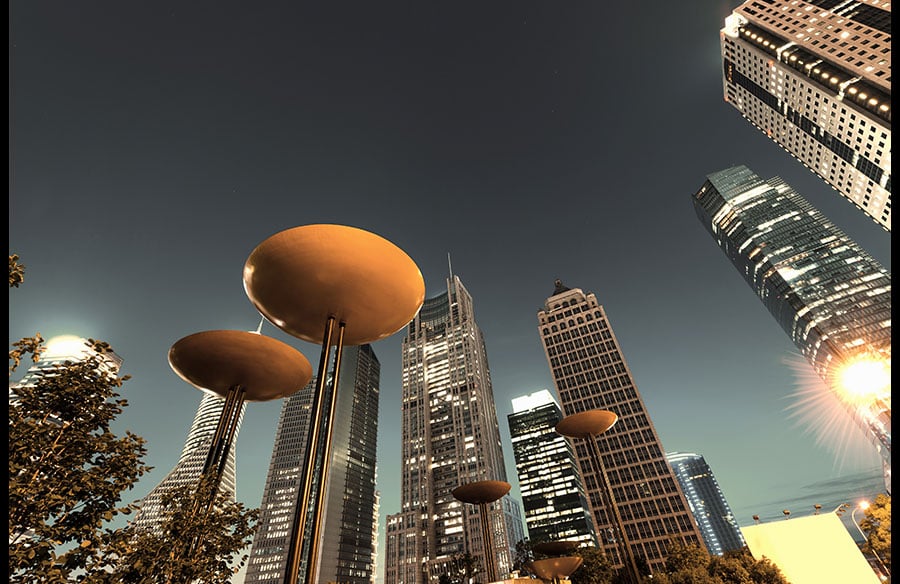
Embracing the Future: The Rise of IT-First Architecture in Skyscrapers
The skyline of modern cities is evolving at an unprecedented pace. As we move deeper into the 21st century, skyscrapers are no longer mere structures of steel and glass; they are becoming complex, interconnected ecosystems powered by advanced technology. The integration of IT-first architecture is transforming these towering edifices into smart buildings, equipped with a digital nervous system that enhances efficiency, sustainability, and occupant experience.
This shift toward IT-centric design is not just a trend but a necessity. Future skyscrapers must embed technology at their core to manage the increasing complexity of building operations, security, energy consumption, and connectivity. Traditional architectural approaches, which treated IT as an afterthought, are no longer viable in a world where real-time data and seamless digital interaction are paramount.
As cities become more densely populated and the demand for sustainable, efficient infrastructure grows, the role of technology in shaping urban environments becomes even more critical. Integrating IT-first architecture enables skyscrapers to adapt dynamically to changing conditions, from fluctuating occupancy levels to evolving environmental factors, ensuring buildings remain resilient and responsive.
The Digital Nervous System: What It Means for Skyscrapers
The concept of a digital nervous system in skyscrapers refers to an integrated IT infrastructure that connects all building systems – from HVAC and lighting to security and elevators – through sensors, networks, and intelligent software. This system collects and processes data in real-time to optimize building performance, enhance occupant comfort, and reduce operational costs.
A key component of this system is the ability to provide rapid, reliable on-site IT support to maintain continuous operation and handle any technical issues swiftly. For example, businesses looking for robust on-site support with OSG can ensure that their smart building technology runs smoothly without costly downtime. This kind of support is essential in high-stakes environments where even a brief IT disruption could impact safety or business productivity.
Moreover, the integration of IT-first architecture enables predictive maintenance. By continuously monitoring equipment and infrastructure, the system can forecast potential failures before they occur, reducing emergency repairs and extending the lifespan of building assets. This proactive approach is crucial for skyscrapers, where access to certain mechanical systems can be challenging and costly. For instance, replacing a critical HVAC component on the 50th floor can be a logistical and financial burden; predictive maintenance minimizes such disruptions.
Beyond maintenance, the digital nervous system fosters enhanced occupant experiences by enabling personalized environmental controls such as lighting and temperature adjustments based on individual preferences or occupancy patterns. This level of customization not only boosts comfort but also improves productivity and well-being within the building.
Why IT-First Design is a Strategic Imperative
Incorporating IT-first architecture into skyscraper design is a strategic move that aligns with broader trends in urban development and corporate sustainability goals. With the global smart building market projected to reach $109 billion by 2026, growing at a CAGR of 12.8%, the demand for intelligent building solutions is clear.
The benefits are multifaceted: energy efficiency improvements through intelligent lighting and climate control, enhanced security via integrated surveillance and access systems, and better occupant experience through personalized environmental settings and seamless connectivity. These advantages not only reduce operational costs but also attract premium tenants willing to pay a premium for cutting-edge facilities.
To successfully implement such advanced systems, collaboration with specialized IT outsourcing providers is often necessary. Businesses seeking comprehensive IT solutions can visit The KR Group, leveraging expert knowledge in managing complex IT environments within commercial real estate. This partnership approach allows building owners and managers to focus on their core competencies while ensuring that the technical backbone of their properties remains robust and future-ready.
The strategic imperative also extends to resilience. Buildings with IT-first architecture can better withstand and recover from disruptions, whether from cyberattacks, natural disasters, or system failures. Real-time monitoring and automated response systems enable rapid adaptation, minimizing downtime and safeguarding occupants.
Data-Driven Decisions and Sustainability
A digital nervous system empowers building managers with actionable insights derived from vast amounts of data collected through IoT devices and sensors. This data-driven approach supports smarter decision-making, enabling facilities to fine-tune energy use, detect anomalies, and respond promptly to occupant needs.
Sustainability is another critical driver. Buildings account for approximately 40% of global energy consumption and 33% of greenhouse gas emissions. By embedding IT-first architecture, skyscrapers can significantly reduce their carbon footprint through advanced energy management systems, contributing to global climate goals and improving their environmental, social, and governance (ESG) profiles.
For example, smart energy systems can adjust lighting and HVAC usage based on occupancy data, reducing waste during off-hours. In some smart buildings, energy savings of up to 30% have been reported due to IT-driven optimization. These efficiencies not only reduce costs but also enhance the building’s marketability to environmentally conscious tenants and investors.
Furthermore, data analytics enable continuous improvement cycles. By analyzing patterns over time, building managers can identify long-term trends and opportunities for upgrades or retrofits that further improve sustainability and occupant satisfaction.
Challenges and Considerations in IT-First Skyscraper Design
While the benefits are compelling, designing skyscrapers with an IT-first approach presents several challenges. The complexity of integrating diverse building systems into a cohesive digital framework requires careful planning, robust cybersecurity measures, and adherence to evolving standards.
Security is paramount. As buildings become more connected, they also become more vulnerable to cyber threats. Implementing strong cybersecurity protocols, regular audits, and staff training is essential to protect sensitive data and maintain operational integrity. According to recent studies, cyberattacks targeting smart buildings have increased by over 30% in the past two years, highlighting the urgent need for comprehensive security strategies.
Another consideration is scalability. Future skyscrapers must be designed to accommodate technological advancements and growing data demands without extensive overhauls. Modular IT infrastructure and flexible network architectures are key to ensuring buildings remain adaptable over time. This flexibility allows for the integration of emerging technologies such as 5G connectivity, AI-driven analytics, and advanced automation systems.
Interoperability is also a significant factor. With numerous vendors and systems involved, ensuring that different components communicate effectively requires adherence to open standards and protocols. Without this, buildings risk creating fragmented systems that undermine the benefits of a unified digital nervous system.
Finally, the initial investment in IT-first architecture can be substantial. However, when viewed through the lens of long-term operational savings, enhanced tenant satisfaction, and increased property value, the return on investment becomes evident.
The Role of IT Outsourcing in Enabling Digital Nervous Systems
To navigate the complexities of IT-first architecture, many organizations turn to IT outsourcing partners who specialize in managing and supporting sophisticated building technologies. These experts provide tailored solutions, from system design and implementation to ongoing maintenance and security management.
For instance, companies requiring dedicated IT support can benefit significantly from services that offer on-demand expertise and proactive system monitoring. Engaging with providers offering ensures that technical issues are resolved swiftly, minimizing downtime and maintaining critical building functions.
Similarly, firms looking to optimize their IT infrastructure within the commercial real estate sector can access specialized IT outsourcing services, gaining operational efficiency and innovation. These partnerships also facilitate access to cutting-edge technologies and best practices that might be cost-prohibitive for individual organizations to develop internally.
Outsourcing also enables scalability and flexibility, allowing building managers to adjust support levels based on evolving needs without the overhead of maintaining large in-house IT teams. This model is particularly advantageous for managing the complex, interconnected systems characteristic of modern skyscrapers.
Conclusion: Building the Smart Cities of Tomorrow
The future of skyscraper design lies in embracing IT-first architecture, transforming these structures into intelligent, responsive environments powered by a digital nervous system. This approach not only improves operational efficiency and sustainability but also redefines occupant experience and security.
As urban centers grow and technology continues to advance, the integration of IT at the foundational level of skyscraper design will become the norm rather than the exception. Organizations that invest in this paradigm shift today will be best positioned to lead in the smart cities of tomorrow, delivering buildings that are not just tall and impressive, but truly intelligent and future-ready.
By embedding a digital nervous system, future skyscrapers will serve as dynamic hubs of innovation, sustainability, and connectivity, setting new standards for how we live and work in urban environments. The IT-first architecture is not simply an upgrade-it is the essential backbone of the buildings that will define our cities for decades to come.