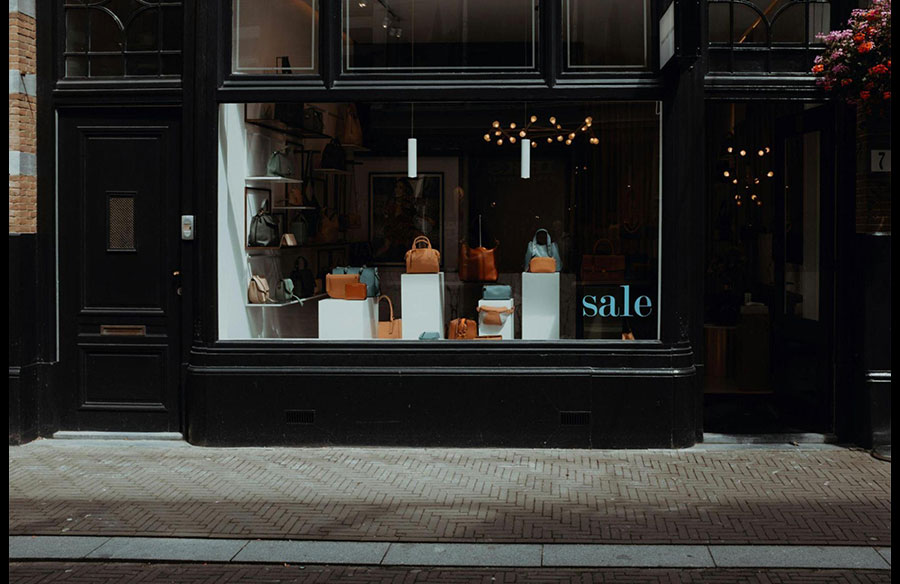
Think about the last time you walked into a store just to browse. Maybe you weren’t even planning to buy anything. But you walked out with something, or at the very least, you walked out feeling a certain way about that brand. That’s not a coincidence. That’s experiential retail doing exactly what it’s supposed to do.
There’s been a lot of talk over the past decade about physical retail being on its way out. Online shopping is faster, easier, and available at 3 a.m. in your pajamas. So why are people still showing up to stores? Because a screen, no matter how good, still can’t do everything a physical space can. And the brands that understand this are building something online-only businesses simply cannot copy.
What Experiential Retail Actually Means Today
Experiential retail is less about the transaction and more about the visit itself. It’s the feeling a customer gets when they walk in, move through the space, interact with a product, or talk to someone on the floor. When it’s done right, the store becomes something worth going to, not just a place to pick something up.
This kind of in-store experience doesn’t happen by accident. It takes planning, consistency, and the right people executing it at the store level. Retail execution firms like Channel Partners work directly with brands on merchandising, in-store activations, and field programs that keep the customer experience consistent across every location. Without that kind of ground-level consistency, even the best experiential concept falls flat.
It’s also worth noting that this isn’t just a luxury brand thing. Grocery stores, tech retailers, apparel chains, and home improvement stores are all investing in the experience side of their physical footprint. The category doesn’t matter as much as the intent behind the visit.
The Role of Store Design and Layout in the Experience
How a store is laid out has a direct effect on how long someone stays and what they do while they’re there. The flow of the space, where products are placed, how easy it is to move around, and even how well-lit certain areas are, all of these things shape customer behavior without the customer even realizing it.
Good retail store design is built around the customer’s path through the space. It guides them naturally toward certain products, slows them down in areas where engagement matters, and makes the whole visit feel easy and intuitive. When the design works, it doesn’t feel designed at all.
But here’s the thing: a great layout only works if it’s maintained. A well-planned store that has empty shelves, messy displays, or products in the wrong place stops being an experience and starts being a frustration. Design and execution have to work together, or neither one delivers.
Why Online Shopping Hasn’t Replaced the Store
E-commerce is incredibly convenient, but it has real limits. You can’t feel the weight of a product through a screen. You can’t try something on, test how it sounds, smell a candle, or get an honest answer from someone who actually knows the product. Those things still require a physical space and a real person.
There’s also the time factor. When someone needs something today, not in two days, the store wins. And for bigger purchases, like furniture, appliances, or anything where the customer needs to feel confident before spending real money, the in-person experience often closes the deal in a way that product photos and reviews cannot.
Online and physical retail aren’t really fighting each other at this point. They’re covering different parts of the same customer journey. The brands doing well right now are the ones that have figured out how to make both work together instead of treating them as separate strategies.
How Brands Are Using In-Store Moments to Build Loyalty
Some of the most effective retail strategies right now aren’t about discounts or promotions. They’re about creating a moment the customer actually remembers. A live product demo that answers a question the customer didn’t even know they had. A sampling event that introduces someone to something they end up buying every week. A staff member who knows the product well enough to have a real conversation about it.
These moments build loyalty in a way that a well-targeted ad simply cannot. When someone has a genuinely good experience in a store, they come back. They also tell people. Word of mouth from a real in-store experience carries more weight than most digital touchpoints brands spend heavily on.
The investment in these moments, whether it’s training staff, setting up an activation, or keeping the floor experience consistent across dozens of locations, pays off in repeat visits and stronger brand attachment over time.
Physical retail isn’t going anywhere. It’s getting more intentional. The stores that are worth visiting are the ones where someone clearly thought hard about what the customer would feel, find, and take away from the experience. That kind of thinking, backed by solid execution, is what keeps people showing up even when ordering online would have been easier.