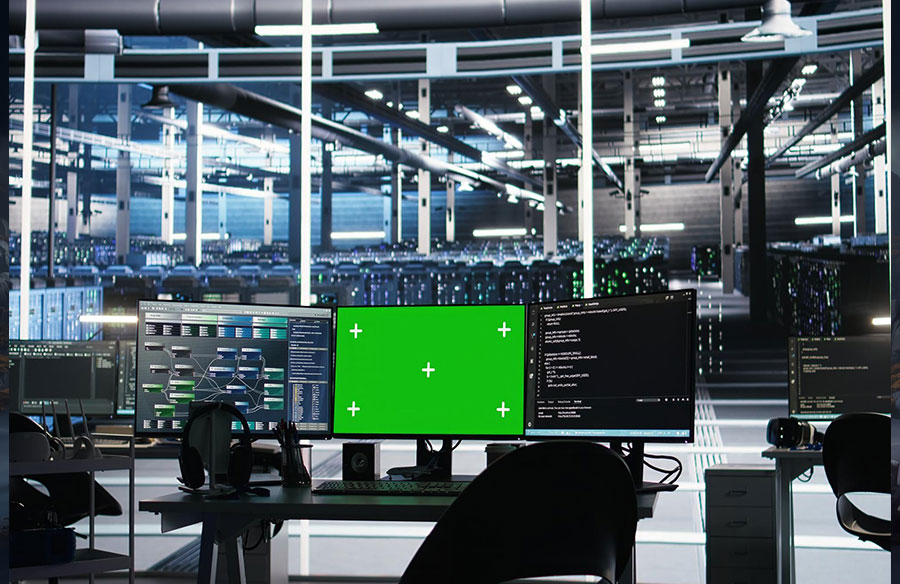
Data center jobs need stronger site security than a typical commercial build. Wide perimeters, expensive switchgear, and remote material yards raise the cost of every blind spot.
The best trailers solve three problems at once: they cover long fence runs, stay online through bad weather, and move alerts from detection to verified response fast. The picks below fit enterprise construction needs, not light-duty site cameras.
Key Takeaways
These picks rise to the top because each one solves a specific risk on large data center builds.
- Best overall for enterprise deterrence and coverage: LiveView Technologies (LVT). A mast above 22 feet, overt lights and audio, and strong platform integrations make it a strong fit for large campuses.
- Best for combined documentation and security: TrueLook. TrueLook’s all-in-one construction trailer combines live view, time-lapse, photo documentation, around-the-clock recording, and managed monitoring in one construction-focused platform.
- Fastest managed deployment: WCCTV. Fast setup, a 20-foot mast, and proven monitored service make it a practical option when security gaps must close the same day.
- Best for cold climates: Mobile Pro Systems Commander 3400. Hybrid power with an auto-generator helps the unit stay live through dark winter stretches.
- Best for long solar autonomy: Sharpvue MAST. Sharpvue claims up to four days of operation in complete darkness with 5G or satellite connectivity.
- Best for active human intervention: Deep Sentinel. Live guards engage threats within seconds through speaker talk-down and escalation.
How I Tested These Surveillance Trailers
I scored each trailer against data center construction needs, not small-site security checklists.
Coverage geometry. I mapped detection zones at 12, 20, 22, and 30 feet with fixed cameras, pan-tilt-zoom cameras, and optional thermal sensors across fence lines, gates, and laydown yards.
Power autonomy. I compared solar array size, battery capacity, and hybrid backup options. I then estimated runtime with a winter derate, the drop in solar output during short, cloudy days.
Connectivity and response workflow. I checked cellular and satellite links for live camera control. I also reviewed how each vendor moves an alert from software detection to human verification to dispatch.
Compliance and durability. I confirmed National Defense Authorization Act (NDAA) Section 889 options, operating temperature ranges, wind ratings, and service terms. Section 889 blocks federal procurement of covered gear from manufacturers such as Hikvision and Dahua, and many enterprise owners mirror that rule.
What Is a Construction Surveillance Trailer?
A trailer-based surveillance unit gives you fast, wide-area security without trenching or permanent poles.
It is a towable platform with a telescoping mast, multiple cameras, solar and battery power, and cellular or satellite connectivity. Most units also support artificial intelligence (AI) detection and remote monitoring for nights, weekends, and low-staff periods.
 The need is real. U.S. construction equipment theft tops 10,000 reported incidents each year, and industry losses are estimated at $300 million to $1 billion. On a data center build, a single stolen lift, cable reel, or copper load can delay crews and trigger costly rework.
LiveView Technologies
LVT is the best fit when you need the strongest visible deterrence across a large campus.
LVT pros
- 22-foot-plus telescoping mast with an 800-watt-class solar array and deep-cycle batteries
- Overt deterrence stack with strobes, floods, remote speaker talk-down, and analytics
- Hybrid power options and multi-network cellular with optional satellite
LVT cons
- Highly visible hardware may not suit community-sensitive sites
- Feature depth can push total cost above simpler regional offerings
LVT works best when the goal is to stop trespass before it reaches the fence line. The tall mast helps clear parked trucks and stacked material, and the light-and-audio package makes the site hard to ignore. Pricing is quote-based for rental, purchase, or managed monitoring.
 TrueLook
TrueLook’s all-in-one trailer platform is the strongest choice when the owner wants security and project documentation in one system.
TrueLook pros
- All-in-one construction camera platform with live view, time-lapse, photo documentation, 24/7 recording, and security monitoring
- Built with high-quality steel, corrosion-resistant coatings, adjustable solar panels for maximum efficiency, and a battery backup system for continuous power in overcast conditions
- One vendor for documentation and security can simplify approvals and stakeholder updates
TrueLook cons
- Teams already tied to another video management system may want a more open setup
TrueLook fits data center teams that want perimeter coverage, time-lapse, and owner-ready progress visibility from a single provider. That reduces admin friction because project, owner, and security teams can work from the same record of the site. Pricing is quote-based for rental, purchase, and managed service.
Teams that want perimeter security and project documentation from a single provider can review TrueLook’s Mobile Surveillance Trailer for a turnkey option that covers live view, time-lapse, and AI-verified security in one platform.
WCCTV
WCCTV is a strong choice when you need managed protection on site fast.
WCCTV pros
- Sub-30-minute setup with a 20-foot mast and built-in AI analytics
- NDAA-compliant options with license plate recognition and thermal add-ons for access roads and dark perimeters
WCCTV cons
- Managed-service defaults can feel restrictive for integrators that want deep DIY control
WCCTV fits teams that want a monitored service without building their own response workflow. Add license plate recognition at the main gate and thermal coverage on the mast for near-zero-light fence lines. Pricing is quote-based for rentals or purchases, with monitoring available as a bundle.
Mobile Pro Systems
Mobile Pro Systems stands out with its Commander 3400 when winter weather makes solar-only runtime hard to trust.
Commander 3400 pros
- Self-sustaining hybrid power with a 20-gallon auto-generator and health dashboard
- Industrial-grade, U.S.-sourced steel with a modular design
Commander 3400 cons
- Generator use adds fuel planning and maintenance work
- Larger footprint and weight than compact solar-only units
Choose the Commander 3400 when weekly sun exposure is uncertain or the site sits through long dark spells. The generator adds complexity, but it also lowers the risk of a dead trailer during a storm cycle. Pricing is quote-based and common on critical infrastructure jobs.
Sharpvue
Sharpvue’s MAST is a strong option when solar autonomy and remote connectivity matter most.
MAST pros
- Full solar recharge in three to four hours and up to four days of operation in complete darkness
- 5G or satellite connectivity, NDAA compliance, Made in USA manufacturing, and enterprise cloud video management
MAST cons
- Newer brand, so confirm service reach and spare-parts support
The MAST is worth a close look on rural or weather-exposed sites where cloud cover and weak cellular service can hurt uptime. Its satellite option is especially useful when the project starts before local telecom work is finished. Pricing is quote-based.
Deep Sentinel
Deep Sentinel’s Mobile Monitoring Trailer is the best fit when live human intervention matters more than passive recording.
Deep Sentinel pros
- Live guards engage within seconds through speaker talk-down and escalation protocols
- AI-driven detections reduce nuisance alerts before operator review
Deep Sentinel cons
- Monitoring-first design limits control for teams that want to run everything themselves
Choose Deep Sentinel when local response rules require human confirmation before dispatch, or when repeated after-hours intrusion justifies aggressive talk-down. The tradeoff is less control for teams that want to own the monitoring workflow. Pricing is quote-based with monitoring bundled.
CV Towers, Site View Pro, GoView, and AIMonit
These vendors are worth a look when your site has a narrow use case or a special procurement need.
CV Towers stands out for full-fleet NDAA compliance and 24/7 monitored response, which can ease reviews on jobs that follow federal rules. Site View Pro offers a compact 12-foot mast that works well at a gate, fuel point, or small equipment yard where a taller tower would be excessive. GoView combines analytics, loudspeaker deterrence, and a live virtual guard model for teams that do not want to staff their own response desk. AIMonit is attractive for remote sites because it can deploy in 24 to 48 hours, offers a 30-foot tower option, and supports Starlink connectivity. All four use quote-based pricing.
How To Choose For Data Center Projects
Start with coverage and power, then confirm compliance and response terms before you compare price.
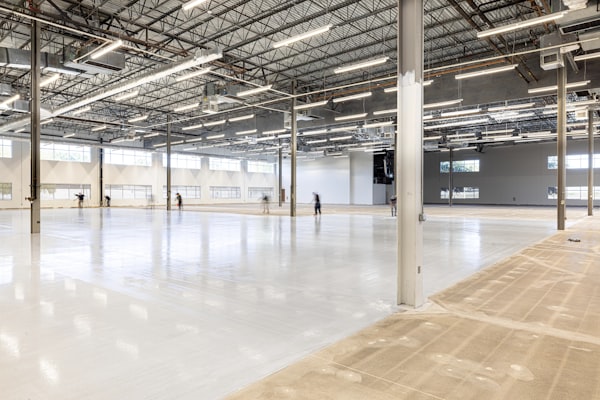 Coverage: Set a 20-to-22-foot mast as the minimum for most perimeter positions. Move to a 30-foot tower when the site exceeds 50 acres or stockpiles block sightlines.
- Optics: Pair pan-tilt-zoom cameras with thermal sensors on dark fence lines, and add license plate recognition at vehicle gates.
- Power: Size solar arrays and batteries for winter output, not summer output. If the trailer must stay live for a week of poor weather, consider a hybrid generator.
- Compliance: Require NDAA-compliant cameras on federal and enterprise builds, and keep a detailed parts list ready for audits.
- Monitoring: Ask for AI detection plus human verification, scripted speaker talk-down, and clear dispatch times.
- Documentation: If the owner wants time-lapse and security from one platform, a provider like TrueLook can reduce admin work and duplicate approvals.
FAQ
These answers address the questions that usually slow trailer approval on data center projects.
What Is the Best Surveillance Trailer for Data Center Projects?
LVT is the best overall pick for deterrence and wide coverage. TrueLook is the best fit when you also need project documentation, WCCTV is strong for fast managed rollout, Mobile Pro Systems works well in cold climates, Sharpvue is built for long autonomy, and Deep Sentinel leads on live human response.
Do I Need NDAA-Compliant Hardware?
If federal dollars are involved, or if your enterprise policy mirrors Section 889, yes. Several vendors in this list offer NDAA-compliant builds, but you should confirm the exact parts list before signing.
Which Mast Height Should I Specify?
Plan for 20 to 22 feet on most parcels so cameras can clear fence lines, trailers, and parked vehicles. Step up to 30 feet for wide laydown yards, tall stockpiles, or sites above 50 acres.
Do Thermal Cameras Really Help At Night?
Yes. Thermal imaging detects heat in total darkness and light fog, and it pairs well with analytics to cut nuisance alerts on dark perimeters.
How Quickly Can a Trailer Go Live On Site?
Mature vendors can usually activate a unit the day it arrives, and some can deliver in 24 to 48 hours. Confirm deployment terms, pre-staging options, and monitoring start times in the contract.