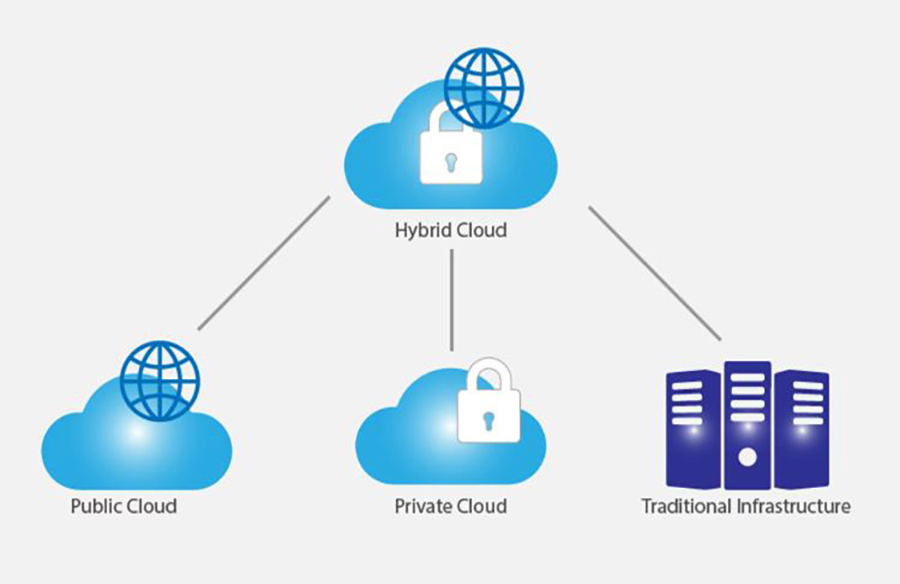
Managing a mix of old office servers and new cloud systems feels a lot like trying to conduct an orchestra where half the musicians are in the room, and the other half are joining via video call with a slight delay. Most companies did not plan for this messy split, but it happened because they needed to keep some data close for speed while moving other parts to the web for flexibility. Now they find themselves in a situation where the left hand does not always know what the right hand is doing, leading to a lot of wasted time and money. It is a common situation many IT teams face when they realise they have plenty of tools but no real way to make them talk to each other across different environments.
The Struggle Of Managing Two Worlds At Once
When you have some applications running on physical hardware in your basement and others living in a public cloud, you spend a lot of time just moving data back and forth to keep things in sync. Teams tend to buy the best tool for a specific problem without considering how it will fit into the bigger picture later. The real cost of a hybrid setup is not the price of the servers themselves, but the hours engineers spend manually patching gaps between these systems. You end up with a lot of manual work that could be avoided if there were a single place to see and control everything, rather than jumping between 10 different dashboards. It is hard to maintain a steady flow of work when every change requires a person to log in to five different portals just to update a single security rule or move a small batch of files.
Why A Single Control Plane Makes Sense For Growth
Instead of trying to force every team to use the same exact cloud, it is often better to use a hybrid infrastructure orchestration platform that lets you manage different environments as if they were one single unit. This kind of system acts as a translator, speaking the languages of your old servers and the modern cloud at the same time. Brands like Tata Communications offer this layer so businesses can retain their existing hardware investments while still enjoying the benefits of a modern, cloud-like experience. When you use a hybrid infrastructure orchestration platform, you stop worrying about where the data lives and start focusing on how the data actually serves the people who need it. This shift in focus is huge because it removes the technical barriers that usually slow down new projects or make it hard to scale up when the business grows suddenly. It is much easier to sleep at night when you know that a change made in one part of the network will automatically propagate to every other part without manual errors.
Keeping The Budget And The Team On Track
A lot of the stress in IT comes from the unpredictability of costs when you use multiple providers, since each one bills differently for space and bandwidth. Having a clear view of how resources are used across the whole company helps you spot where you are overspending or where servers are sitting idle. This is not just about saving money, although that is a big part of it, but it is also about making sure the team has the right tools to do their jobs without constant frustration. Small inconsistencies in how you set up new servers can lead to big mistakes if you do not have a standard way of doing things across both the cloud and the office. A unified approach brings order to the chaos and allows the company to move much faster than it could when everything was managed in separate silos. It feels like a relief to have a predictable system that behaves the same way every time, regardless of the hardware’s physical location.