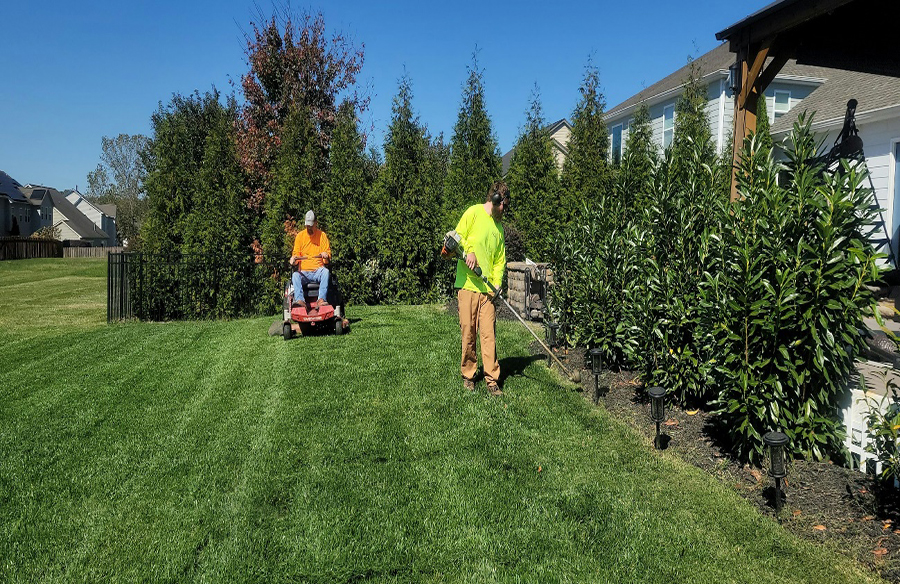
A healthy lawn is one of the most rewarding projects a homeowner can take on in Florida. The climate rewards patience and punishes shortcuts, which is why understanding the basics of soil, water, and seasonal timing matters so much. Unlike cooler regions where grass slows down for long stretches, lawns here stay active for most of the year, meaning your care routine never really goes on pause.
The payoff is a thick, green yard that holds up against heat, humidity, and the occasional heavy downpour. With the right approach, even a first-time homeowner can build a lawn that looks professionally maintained without relying on guesswork or expensive fixes down the line.
Keeping Your Irrigation System in Top Shape
Watering is the foundation of a strong lawn, and the system that delivers that water needs just as much attention as the grass itself. Over time, heads get clogged, lines develop leaks, and valves stop responding the way they should, all of which lead to dry patches or soggy spots that weaken the turf.
When problems show up, calling a professional for sprinkler repair in Florida is often the smartest move, since small issues tend to snowball into bigger ones if left alone. A properly tuned system delivers even coverage, saves water, and keeps your lawn on a consistent schedule. Homeowners who inspect their heads every few weeks usually catch trouble early, before it shows up as brown streaks across the yard.
Understanding Your Soil Before You Plant Anything
Before you worry about seed, fertilizer, or mowing height, take a closer look at what is underneath your grass. Soil quality determines how well roots spread, how much water the ground can hold, and how effectively nutrients reach the blades above. Sandy soils drain quickly and often need more frequent feeding, while heavier soils can trap water and leave roots struggling for air.
A basic test from your local extension office gives you a clear picture of pH and nutrient balance, which takes the guesswork out of every decision that follows. Once you know what you are working with, adjustments like adding organic matter or adjusting acidity become straightforward.
Choosing Grass That Fits Your Yard
Not every type of grass belongs in every yard, and picking the wrong variety often leads to years of frustration. Warm-season grasses handle heat and humidity well, while shaded yards usually call for varieties that tolerate less direct sunlight. Traffic matters too, since a yard where kids and pets play all day needs a tougher blade than one that mostly sits undisturbed.
Before making a choice, think honestly about how your family uses the space and how much time you are willing to spend on upkeep. Some varieties look beautiful but demand constant attention, while others offer a more forgiving experience for busy homeowners. Matching the grass to the lifestyle creates a yard that stays healthy with less effort.
Mowing the Right Way
Mowing seems simple, but small mistakes add up quickly and leave the lawn looking tired. Cutting too short stresses the grass, weakens the roots, and invites weeds to take over the bare spots.
A good rule is to never remove more than a third of the blade in a single pass, since anything more shocks the plant and slows recovery. Sharp blades matter just as much as height, because dull ones tear the grass instead of slicing it cleanly, leaving ragged edges that turn brown within days.
Feeding and Fertilizing With Intention
Grass needs nutrients to grow thick and green, but feeding too much or at the wrong time does more harm than good. A balanced approach spreads applications across the growing season, giving the lawn a steady supply without overwhelming it.
Reading the bag carefully and following the recommended rates keeps you from burning the turf or encouraging weak, rapid growth that attracts pests. Slow-release options tend to work well for homeowners who prefer a low-maintenance schedule, since they release nutrients gradually over several weeks.
Managing Weeds, Pests, and Disease
Even the best-maintained lawn runs into trouble now and then, and knowing how to respond quickly makes a real difference. Weeds often show up where the grass is thin, which is why a dense, well-fed lawn is your first line of defense.
Pests like chinch bugs and grubs tend to leave telltale signs, such as yellowing patches that do not recover after watering, and catching them early keeps the damage small. Fungal issues usually appear during warm, humid stretches and can spread fast if ignored.
Building a Routine You Can Stick To
The homeowners with the best lawns are rarely the ones spending every weekend on yard work. They are the ones who follow a steady, realistic routine that fits into their lives without feeling like a burden.
Watering deeply but less often, mowing on a predictable schedule, and checking on the yard a few times a week builds momentum that pays off over the months ahead. Small, consistent effort beats occasional bursts of heavy work every time, and the lawn responds by growing stronger season after season.