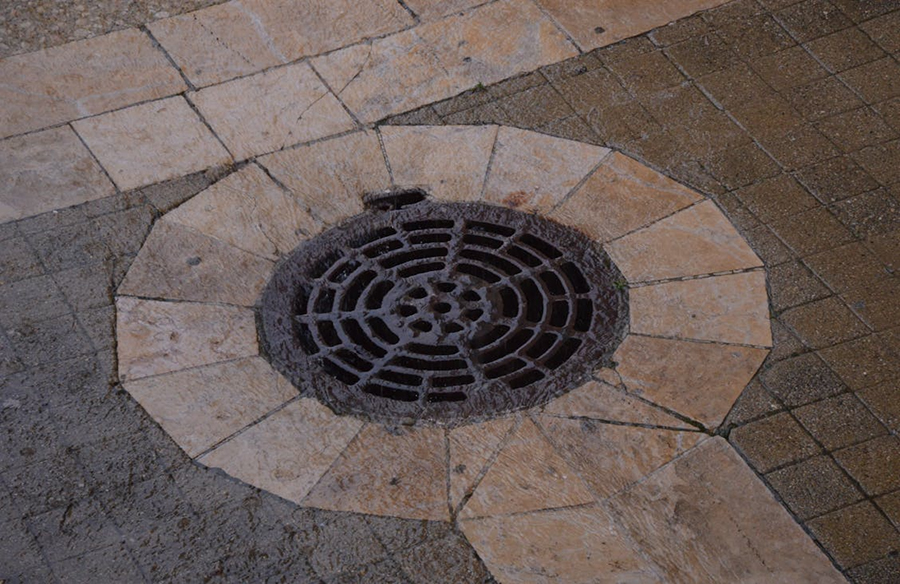
Effective drainage plays a central role in maintaining the structural health and long-term value of any property. Whether managing a commercial facility or a residential asset, controlling how water moves across and away from the site is essential. Poor drainage can lead to foundation cracks, soil erosion, and visible damage to exterior surfaces. Over time, even minor water issues can escalate into costly repairs that disrupt operations and reduce property value.
Property owners often overlook early drainage concerns until visible damage appears. However, modern water management solutions offer reliable ways to prevent these issues before they develop. Systems designed to redirect water efficiently can significantly reduce the risk of flooding, especially in areas with heavy rainfall or poor natural grading. Investing in proper drainage infrastructure is not just a maintenance task but a strategic improvement that protects both function and appearance.
Early Warning Signs of Poor Water Diversion
One of the first indicators of drainage problems is water pooling in areas where it should not collect. This often occurs near building foundations, parking areas, or landscaped zones where grading is insufficient. Standing water that remains long after rainfall suggests that the system is either undersized or improperly designed.
In many cases, passive drainage methods are no longer enough to handle excess water, especially during heavy storms. Property owners often need to consider active drainage solutions, such as sump systems, which efficiently collect and redirect water away from vulnerable areas. If you are looking for services like sump pump drainage installation, there are many professionals who have years of experience.
Surface Erosion and Landscape Degradation as Red Flags
Uncontrolled water flow can quickly lead to visible landscape damage. Soil erosion is one of the most common signs, often seen as displaced earth, exposed roots, or uneven ground surfaces. These conditions indicate that water is moving across the property without proper direction or containment. Over time, this can compromise not only landscaping but also the stability of nearby structures.
Paved surfaces are equally vulnerable. Erosion beneath driveways, sidewalks, and loading areas can weaken the base layers, leading to cracks and surface failure. This type of damage is often gradual but becomes costly if left unaddressed. Sediment buildup in drainage channels or grates further signals that the system is overwhelmed or poorly maintained.
The Impact of Aging Drainage Infrastructure on Foundation Health
Older drainage systems often struggle to meet current demands. Over time, pipes can develop scaling, corrosion, or blockages that reduce their ability to move water efficiently. As flow capacity decreases, water begins to accumulate near the foundation, increasing the risk of infiltration. These hidden issues can remain undetected until visible damage appears.
One of the most noticeable signs of moisture intrusion is efflorescence. This white, powdery residue forms on foundation walls when water evaporates, leaving behind mineral deposits. While it may appear minor, it indicates that water is penetrating the structure. Continued exposure can weaken materials, leading to cracks or shifting.
Foundation stability depends heavily on proper moisture control. When drainage systems fail, the surrounding soil retains excess water, placing stress on structural components. Upgrading outdated infrastructure ensures that water is effectively redirected, preserving the integrity and lifespan of the property.
Soil Saturation and Hydrostatic Pressure Risks
Excessive soil saturation creates serious challenges for any property. When the ground absorbs more water than it can drain, it begins to expand, placing pressure on nearby structures. This condition, known as hydrostatic pressure, pushes against foundation walls and basement floors. Over time, it can lead to cracks, leaks, and gradual structural weakening. Properties in areas with heavy rainfall or poor soil composition are at a higher risk of this issue.
The impact becomes more severe when drainage systems fail to relieve this pressure effectively. Water trapped in the soil does not dissipate quickly, which increases the load on structural elements. Repeated cycles of saturation and drying can also destabilize the soil, causing uneven settlement. Monitoring soil conditions and addressing drainage inefficiencies early can prevent long-term damage and costly repairs.
Indoor Indicators: Mold, Mildew, and Persistent Dampness
Indoor signs often provide clear evidence of external drainage problems. Mold and mildew growth in basements or lower levels usually indicates excess moisture entering the structure. These issues are not only structural concerns but also health risks for occupants. Persistent dampness creates an environment where spores can thrive, affecting indoor air quality and comfort.
Other warning signs include peeling paint, warped flooring, and a consistent musty odor. These conditions suggest that moisture is penetrating walls or seeping through the foundation. Even if water is not visibly pooling indoors, elevated humidity levels can signal hidden drainage failures. Addressing these symptoms promptly helps maintain a safe, functional indoor environment and prevents further deterioration.
When Gravity-Based Systems Are No Longer Enough
Traditional drainage systems often rely on gravity to move water away from a property. While effective in some cases, these systems depend heavily on proper grading and natural slopes. In flat terrains or densely developed areas, gravity alone may not provide sufficient water movement. Changes in surrounding construction can also alter drainage patterns, reducing system efficiency over time.
Modern properties require more adaptable solutions to manage water effectively. When gravity-based systems fall short, water can accumulate in critical areas, increasing the risk of damage. Incorporating mechanical assistance or redesigning drainage layouts can significantly improve performance. Evaluating the limitations of existing systems allows property managers to implement upgrades that address current conditions and future demands.
Protecting Long-Term Value Through Effective Drainage Planning
Recognizing the signs of drainage failure is essential for maintaining any property. Water pooling, soil erosion, indoor moisture issues, and outdated infrastructure all point to underlying problems that require attention. Addressing these indicators early prevents structural damage and reduces the likelihood of expensive repairs.
Upgrading drainage systems supports both the functional lifespan and market value of a property. A well-designed system protects foundations, preserves landscaping, and ensures a safe indoor environment. Property managers and owners who prioritize drainage improvements position their assets for long-term stability and performance.