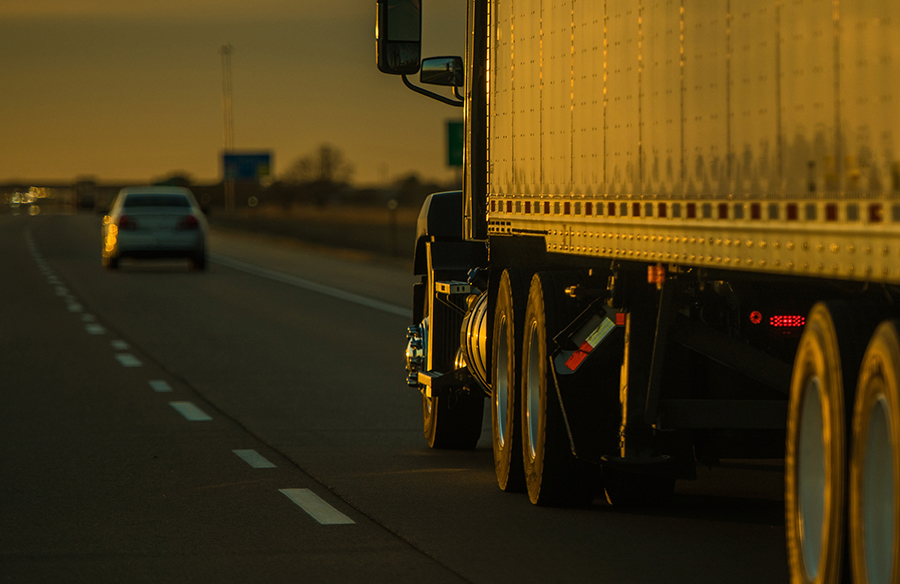
They’re huge, louder than most cars, and, most importantly, much heavier. Trucks are undoubtedly imposing and play a crucial role in Louisiana’s logistics and supply chain. Without them, everyday items wouldn’t make it to supermarket shelves—and that’s just one of their many applications. As these trucks crisscross Louisiana roads, sharing the network with other cars, the risk of accidents is always lurking.
Truck crashes rarely turn out like regular collisions because of many factors centering around their size and weight. “If you are a victim or your loved one has lost their life in a truck accident, you should file a personal injury lawsuit against the at-fault party,” says personal injury attorney Frank Tomeny III. In this article, we will explain why these accidents are more dangerous and the steps you should take if you have been involved in one.
The Danger Behind Truck Accidents
Your average car weighs about 4,000 pounds. It is heavy, sure, but it is nothing compared to a truck, which can weigh up to 80,000 pounds or more when fully loaded. This sheer size means several things:
- Larger force of collision: The force impact in an accident involving a truck and a smaller car can be catastrophic because of the sheer weight difference. For context, a fully loaded truck can measure up to 20 times the weight of a normal vehicle.
- Longer stopping distance: A car moving at 65 mph only needs about 316 feet to come to a complete stop, whereas a truck traveling at the same speed requires up to 525 feet, which is almost the length of two football fields.
- Higher center of gravity: Trucks often have a higher center of gravity compared to cars, and this makes them prone to rollover accidents. In simple terms, a truck is more likely to tip over on a sharp turn, especially when driven at high speeds.
- Pressure on drivers: As we mentioned earlier, trucks and trucking companies play such a crucial role in our economies that drivers are often under pressure to meet deadlines. Companies may also prioritize profits over safety, and this could increase the risk of an accident.
What Should You Do If You Have Been Involved in a Truck Accident?
Collisions involving trucks can be particularly dangerous, especially for smaller vehicle occupants. Here’s a simplified blueprint of the steps to take in the event of a crash:
- Step 1: Check for Injuries. Are you injured? Check yourself and your passengers for injuries. Can you move? Are you bleeding? If you’re in a position to do so, get to safety away from traffic.
- Step 2: Call 911. If you can, pick up your phone and call 911. Tell the respondent as much as you can. If you’re unable to do this, ask someone else to make the call.
- Step 3: Collect Evidence. Use your phone to record pictures and videos of the scene, including the damage to your vehicle and any property.
- Step 4: Get treated. Regardless of whether you have any visible injuries, it’s essential to visit a doctor because some injuries may take some time to show symptoms.
- Step 5: Call your lawyer. Talk to a personal injury attorney and give them all the details pertaining to your case. This will allow them to assess the viability of your case.
- Step 6: Notify Your Insurer. The general rule is to inform your insurer about the accident as soon as possible. Waiting too long can lead to claims being denied because the insurer cannot adequately investigate the scene or damage.