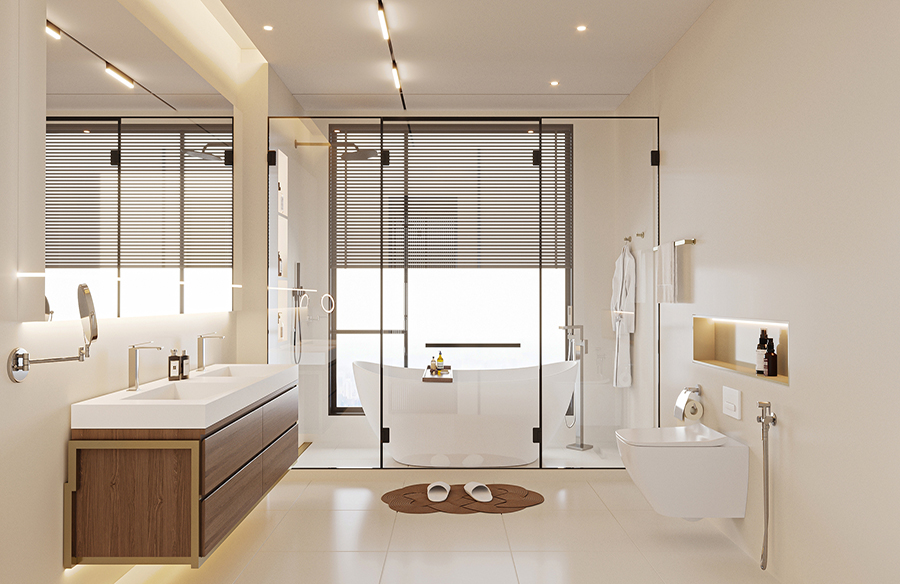
Selecting the right wash basin for hotel bathrooms is a critical procurement decision that directly impacts guest experience, operational efficiency, and long-term maintenance costs. In hospitality environments, bathroom fixtures are subjected to significantly higher usage compared to residential settings, making it essential to prioritize durability, hygiene, and performance consistency.
For hotel owners, architects, and procurement teams, basin selection is not just about visual appeal. It requires a strategic evaluation of material quality, lifecycle cost, maintenance requirements, and compatibility with overall bathroom design. A well-chosen basin contributes to both brand perception and operational efficiency, while poor choices can lead to recurring maintenance issues and increased costs.
Understanding Hotel Bathroom Requirements
Type of Hotel Property
The type of hotel plays a fundamental role in determining the appropriate basin specification. Budget hotels typically focus on cost-effective and standardized solutions, while mid-range properties aim to balance durability with modern aesthetics. In contrast, luxury hotels prioritize premium materials, distinctive design, and enhanced user experience.
Each category has different expectations, and the selected basin must align with the brand positioning and guest experience goals.
Usage Frequency & Traffic
Hotel bathrooms experience continuous usage due to frequent guest turnover. This results in higher exposure to wear and tear, cleaning chemicals, and accidental impact. Unlike residential fixtures, commercial basins must be capable of maintaining performance under high-frequency usage conditions.
This makes durability and material strength non-negotiable factors in the sourcing process.
Types of Wash Basins Suitable for Hotels
Choosing the right basin type is essential for optimizing both functionality and spatial efficiency. Each type serves a specific purpose depending on the layout and category of the hotel.
- Countertop basins are widely used in luxury and boutique hotels due to their strong visual appeal and design flexibility.
- Wall-mounted basins are ideal for compact spaces, offering space-saving benefits and easier cleaning access.
- Undermount basins provide a seamless and hygienic solution, commonly preferred in premium hotel environments.
- Pedestal basins are more traditional and are typically used in budget or classic-style setups, though they offer limited flexibility.
The selection should be based on a combination of space availability, maintenance efficiency, and overall design intent. For a deeper comparison of suitable options, businesses can refer to detailed resources on the best bathroom basin for hotel projects.
Material Selection
Material selection is one of the most critical aspects of basin sourcing, as it directly affects durability, hygiene, cost, and long-term usability.
Ceramic and porcelain are among the most commonly used materials in hotel bathrooms due to their non-porous surface, stain resistance, and ease of cleaning. They offer a reliable balance between affordability and performance, although they may be prone to chipping under heavy impact.
Solid surface materials are increasingly popular in modern hospitality projects. They provide a seamless finish, high durability, and repairability, making them suitable for high-end applications where both aesthetics and performance are priorities.
Natural stone options such as marble and granite are often used in luxury settings due to their premium appearance and durability. However, they require regular maintenance and sealing, which increases operational effort.
Stainless steel and composite materials are less common in guest bathrooms but can be suitable for high-impact or back-of-house environments due to their superior resistance to damage.
Durability & Longevity
Durability is a core requirement in commercial environments where fixtures are exposed to continuous usage. A high-quality basin should be able to withstand:
- Repeated physical impact
- Exposure to cleaning chemicals
- Long-term wear without surface degradation
In hotel operations, durability directly influences maintenance frequency, replacement cycles, and operational costs. Investing in durable materials ensures fewer disruptions and a more consistent guest experience.
Size, Dimensions & Space Optimization
Proper sizing and layout planning are essential for both functionality and aesthetics. Standardizing basin dimensions across rooms simplifies installation, maintenance, and future replacements, making it a preferred strategy in large-scale hotel projects.
Space optimization is equally important. Compact basins are ideal for smaller rooms where efficient space utilization is necessary, while larger basins can enhance comfort and luxury in premium suites.
Ergonomics also plays a key role. The basin’s height, depth, and positioning should ensure comfortable usage, minimal splashing, and ease of access, contributing to a better overall user experience.
Design & Aesthetic Consistency
The wash basin is a central visual element in hotel bathrooms and significantly influences the overall design language. It must integrate seamlessly with other components such as vanity units, faucets, mirrors, and lighting fixtures.
Consistency in design helps reinforce the hotel’s brand identity, whether it is minimalist, contemporary, or luxury-focused. A well-coordinated bathroom design enhances perceived quality and guest satisfaction, making aesthetic alignment a crucial consideration.
Ease of Maintenance & Hygiene
Maintaining hygiene standards is essential in hospitality environments. Basins should be designed for easy and efficient cleaning, minimizing the effort required by housekeeping staff.
Key considerations include:
- Smooth, non-porous surfaces to prevent bacterial buildup
- Resistance to stains and discoloration
- Minimal joints or seams where dirt can accumulate
Materials that support easy maintenance not only improve hygiene but also reduce labor costs and cleaning time.
Plumbing Compatibility & Installation
Before finalizing a basin, it is important to ensure compatibility with existing plumbing systems. This includes evaluating drainage alignment, water pressure requirements, and installation complexity.
Improper compatibility can lead to operational issues such as leakage, inefficient drainage, and increased installation costs. Planning for easy installation and future replacement also improves long-term efficiency.
Water Efficiency & Sustainability
Sustainability has become a key consideration in modern hotel operations. Selecting basins that support water-efficient fixtures and eco-friendly designs helps reduce overall water consumption.
Many hotels now align with green building standards, making it important to choose products that contribute to environmental responsibility while maintaining performance.
Supplier Reliability & Availability
The reliability of the supplier plays a crucial role in successful procurement. Consistent product quality, timely delivery, and strong after-sales support are essential factors.
A dependable supplier should be able to:
- Fulfill bulk orders without quality variation
- Maintain consistent lead times
- Provide warranty and technical support
Strong supplier relationships contribute to smoother project execution and long-term reliability.
Compliance with Industry Standards
Hotel bathroom basins must meet relevant quality, safety, and accessibility standards. Compliance ensures that the products are suitable for commercial use and meet industry requirements.
Adhering to standards not only enhances safety but also protects businesses from potential regulatory issues.
Common Mistakes to Avoid
During the sourcing process, several common mistakes can lead to long-term challenges:
- Prioritizing price over quality
- Ignoring maintenance requirements
- Selecting inappropriate sizes for the layout
- Overlooking plumbing compatibility
- Focusing only on aesthetics without considering performance
Avoiding these mistakes helps ensure a more efficient and cost-effective procurement process.
Conclusion
Sourcing the right basin for hotel bathrooms requires a comprehensive and strategic approach. Factors such as material selection, durability, maintenance, design alignment, and supplier reliability all contribute to the overall performance and success of the installation.
By focusing on both functional and operational requirements, businesses can ensure that their investment delivers long-term value while maintaining high standards of guest experience. For a more detailed breakdown of recommended options and specifications, exploring a dedicated guide on best basins for hotel bathrooms can provide additional clarity for decision-making.