Choosing hardwood flooring sounds simple at first. Then you start looking at samples and realize that plank width changes everything.
A floor can be the same wood species, the same stain color, and even the same finish, but still look completely different depending on whether you choose wide planks or a more standard width. That is why this decision matters so much. It affects style, price, installation, and how the floor behaves over time.
The National Wood Flooring Association classifies wood flooring as strip when it is less than 3 inches wide, plank when it is 3 to 5 inches wide, and wide plank when it is more than 5 inches wide. That means many of the traditional hardwood floors people picture in older homes fall into the strip or regular plank category, while wide plank moves into a more spacious and dramatic look. Here is a guide from Bergamo Floors to help you choose the best plank!
Why does plank width change the whole look?
The first big difference is visual.
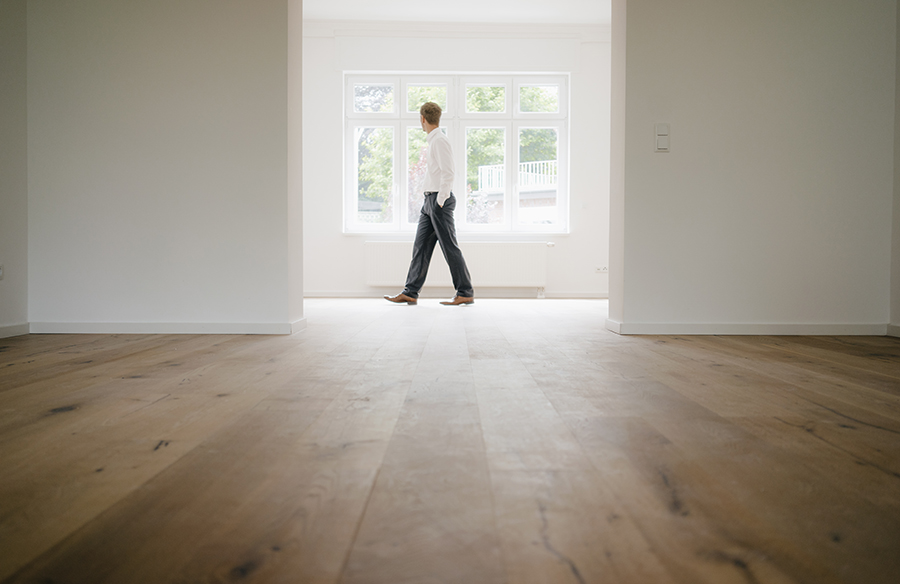
Wide plank hardwood flooring shows more surface area on each board. That means you see more grain, more natural variation, and fewer seams running across the room. The result usually feels calmer, cleaner, and more open.
Standard hardwood flooring creates more lines because there are more boards across the same space. That gives the floor a busier rhythm, but that is not a bad thing. In many homes, especially traditional interiors, that extra detail actually makes the floor feel richer and more classic. Mirage notes that plank width shapes the rhythm and feel of the room, which is a good way to describe what homeowners notice right away, even if they cannot explain it technically.
Wide plank feels more open
There is a reason wide plank flooring has become so popular in newer homes.
Because there are fewer seams, the eye moves across the room more easily. That can make a space feel broader and less busy. In open-concept homes, this often looks especially good because the flooring reads as one continuous surface instead of many repeated strips.
That does not mean wide plank only works in large homes. It can also look beautiful in smaller rooms. Still, the effect is different. In a compact space, wide planks usually feel more modern and simplified, while standard widths can add more texture and a stronger sense of pattern.
Standard hardwood feels more classic
Standard-width hardwood flooring has lasted for generations for a reason.
It looks familiar, balanced, and timeless. Many homeowners still associate narrower boards with the traditional hardwood floors found in older houses, formal living rooms, and more classic interiors. That look continues to hold up well because it does not depend on trends to feel right.
Standard widths also make natural variation look more subtle. Since the wood character is divided across more boards, knots, mineral streaks, and grain changes do not stand out as boldly as they do on a wider plank. For homeowners who want a more even and consistent appearance, that can be a real advantage.
Cost is one of the biggest deciding factors
This is where many people start leaning one way or the other.
According to Angi data cited by Bankrate, hardwood flooring installation typically falls in the range of about $6 to $25 per square foot, with some projects climbing higher depending on material, labor, and design complexity. In Los Angeles, Angi says hardwood floor costs can run even higher, with total pricing sometimes reaching up to $45 per square foot depending on the project.
Wide plank flooring often costs more because it requires larger, more visually consistent boards. Mirage also notes that wide plank usually comes with a higher material price, while narrow plank is often more budget-friendly from a sourcing standpoint. That makes sense. It takes more select material to create wider boards that still look clean and cohesive once installed.
Standard hardwood flooring often gives you a more manageable starting price. But that does not always mean the full installation is cheap. Since there are more pieces to work with, installation can take more time. So the cost difference is real, but it is not always as simple as saying wide plank is expensive and standard plank is cheap. Material and labor can pull in different directions.
Wood movement matters more than many people realize
This is the part homeowners often overlook.
Real wood reacts to moisture in the air. The U.S. Forest Products Laboratory explains that wood is hygroscopic, which means it absorbs and releases moisture depending on surrounding conditions. It also notes that seasonal variation tends to matter more than small day-to-day humidity changes.
That matters with every hardwood floor, but it becomes easier to notice as boards get wider.
When a board is wider, even a small amount of expansion or contraction can show up more clearly at the seams. That is one reason standard-width hardwood flooring is often seen as more forgiving over time. Narrower boards still move, but the visual impact is spread across more boards, so seasonal changes tend to look less dramatic. Mirage specifically describes narrow planks as more stable, more flexible in installation, and more forgiving.
Installation gets stricter with wider boards
Wider boards are not impossible to install well, but they usually demand more control.
Bruce’s installation instructions state that when installing 3/4-inch solid hardwood flooring wider than 4 inches, adhesive assist should be applied to the back of each board in addition to the fastening pattern. That tells you something important. As boards get wider, manufacturers often ask for extra installation care because the room for error gets smaller.
The Forest Products Laboratory also notes that the best way to reduce dimensional change is to install wood at a moisture content that matches the conditions it will experience in service. In practical terms, that means acclimation, indoor humidity control, and proper installation matter even more with wide plank flooring.
Standard hardwood flooring is usually easier to manage in this area. It is still real wood, so it still needs proper conditions, but it is generally more forgiving when the indoor environment is not perfect all year long.
Which one looks more expensive?
Visually, wide planks often wins this comparison.
Because you see more grain on each board and fewer seams overall, wide plank flooring usually feels more custom and more architectural. It can give a room that high-end, magazine-style look that many homeowners want today. That is part of why wide plank continues to stay strong in design conversations. Recent design coverage has pointed to continued interest in wide planks, warm wood tones, and natural-looking finishes.
But standard hardwood should not be mistaken for a lesser option.
A well-chosen standard-width floor can look elegant, established, and timeless. In some homes, especially traditional or historic-style interiors, it actually looks more appropriate than wide plank. The more formal the architecture, the more natural standard widths often feel.
Which one works better long term?
The answer depends on what you mean by better.
If you mean bold visual impact, wide plank usually wins. It gives you a more current, open, design-driven look. It also highlights the natural beauty of the wood in a stronger way.
If you mean flexibility, stability, and easier long-term living, standard hardwood flooring often has the edge. It tends to be more forgiving with seasonal movement, often costs less up front, and suits a broader range of homes without feeling too trendy.
This is why many people who love the look of wide plank but worry about performance start looking at engineered hardwood. The NWFA explains that engineered flooring uses a real wood wear layer over a layered core, and that construction can help with stability. That does not make every engineered floor superior, but it does explain why wide plank engineered products have become such a common choice.
So which one should you choose?
Choose wide plank hardwood flooring if you want a floor that feels open, modern, and visually quiet. It is a strong fit for larger spaces, cleaner interiors, and homes where the flooring is meant to make a statement.
Choose standard hardwood flooring if you want something classic, versatile, and easier to live with over time. It works especially well in traditional homes, smaller rooms, and projects where stability and budget matter just as much as looks.
Neither option is automatically better. The right choice depends on your house, your climate, your budget, and the mood you want the room to have every day.
That is really the heart of it.
Wide plank gives you drama and openness. Standard hardwood gives you balance and flexibility. Both can look beautiful when the width matches the home instead of fighting it.