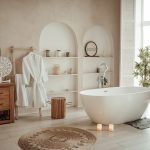
In today’s fast-moving world, stress has become a common part of daily life. Between work pressures, digital distractions, and personal responsibilities, many people are looking for ways to create a sense of peace at home. One increasingly popular solution is the wellness room. A wellness room is a space intentionally designed to promote calm, relaxation, and mental clarity. It can be an entire room or just a quiet corner, but its purpose remains the same: to support better mental health through thoughtful design.
The beauty of a wellness room is that it does not need to be expensive or elaborate. What matters most is how the space makes you feel. A well-designed wellness room should help you slow down, breathe more deeply, and feel emotionally grounded. Everything from lighting and color to furniture and decor can influence whether a room feels peaceful or overstimulating.
The first step in creating a wellness room is selecting the right location. Ideally, this should be an area in your home that feels private and removed from distractions. A spare bedroom, an unused nook, or a section of a larger room can all work well. The goal is to create a sense of separation from the busier areas of the house. When you step into the space, it should feel like entering a different mental zone, one that is reserved for rest, reflection, and restoration.
Decluttering is essential in a wellness room. A crowded or messy environment can contribute to mental overwhelm, while an organized and open space can help the mind feel calmer. This does not mean the room should feel empty or cold. Instead, it should be intentional. Every object in the space should serve a purpose, whether functional or emotional. Removing unnecessary distractions helps the room feel more breathable and soothing.
Color choice can also have a major effect on mood. Soft, natural tones tend to work best in wellness spaces because they create a sense of tranquility. Shades like sage green, warm white, pale blue, beige, and muted gray are commonly used to encourage relaxation. These tones are gentle on the eyes and help reduce visual stress. Bright, intense colors may feel energizing in other rooms, but in a wellness space, softer palettes usually create a more peaceful atmosphere.
Lighting is another important factor. Natural light is ideal because it creates warmth and connection to the outside world. If possible, place your wellness room near a window where daylight can fill the space. In the evening, layered lighting works best. Table lamps, floor lamps, candles, and dimmable bulbs help create a softer, more restful mood than harsh overhead lighting. Warm-toned light can make the room feel especially cozy and comforting.
Textures also play a key role in how a room feels. Soft blankets, plush rugs, floor cushions, and comfortable chairs can make the space more inviting. Natural materials like cotton, linen, wood, and bamboo help create an earthy, grounded environment. Physical comfort matters in a wellness room because the body responds strongly to its surroundings. When a room feels soft and safe, it becomes easier to relax mentally as well.
A wellness room should also reflect the activities that support your emotional wellbeing. For some people, this may be meditation or yoga. For others, it may be journaling, reading, prayer, or simple quiet time. You can personalize the room with items that match these rituals, such as a meditation cushion, yoga mat, diffuser, calming artwork, or a small speaker for soft music. Some people also choose to include meaningful spiritual decor or natural objects that encourage mindfulness. For example, you may want to explore healing crystals guide or crystals for meditation spaces as part of creating a room that feels restorative and intentional.
Bringing natural elements into the room can make it even more calming. This idea, often associated with biophilic design, focuses on strengthening the connection between people and nature indoors. Plants are one of the simplest ways to do this. A few easy-care plants can bring life, softness, and freshness into the space. If live plants are not practical, natural materials, dried flowers, stones, or landscape art can create a similar effect.
Sound is another detail that should not be overlooked. Wellness rooms should feel quieter than the rest of the home. Soft music, nature sounds, white noise, or even silence can help set the tone. Adding rugs, curtains, and upholstered pieces can also soften sound and reduce echo, making the room feel more peaceful.
Ultimately, a wellness room is about creating a space that supports your mind as much as your body. It is a place where you can step away from daily stress and reconnect with yourself. With calming colors, comfortable textures, natural elements, and meaningful decor, you can transform even a small area into a sanctuary. In a world that often feels overwhelming, a tranquil wellness room can offer something deeply valuable: a place to pause, reset, and protect your mental health.