You may have seen some wondrous architecture around the world. Be it the seven wonders like the Pyramids in Egypt or popular skyscrapers, like Burj Al Arab in Dubai. Every design and project is a prime example of art and technology merged.
Architecture firms are not limited by geographical boundaries. Diverse teams work together from around the world with the best expertise. Now as technology continues to evolve so does the concept of design and workflows. Different set of skills and talent is needed who understand how to use modern cloud tools and digital platforms. Plus, the need to be present on-site is always becoming redundant. You can coordinate with workers and engineers remotely, too.
In short, technology and modern practices are reshaping the way architectural firms plan, collaborate, and execute projects.
The future of architecture is becoming more digital, connected, and distributed than ever before.
The Shift from Studio-Centric Practice to Distributed Design Teams
In a traditional setting, when planning a blueprint, it required in-person meetings, manual drawings and calculations, and on-site coordination. Everyone was supposed to be in the same room.
Today, the traditional model of working has changed, and teams are spread across different cities and countries. They are connected through cloud and SaaS-based platforms like Slack and Zoom.
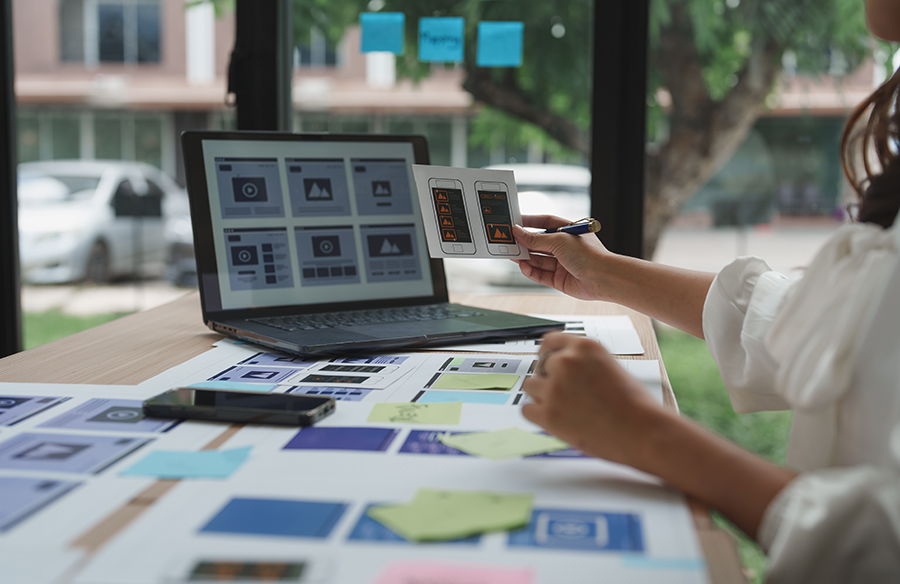
Real-time design sharing and remote meetings are made possible with just a click. For example, an architect in New York, an interior designer in Dubai, and a client in the UK can open the same design file in a 3d model at the same time.
This shift from studio-centric practice to distributed design teams has increased flexibility, giving access to specialized persons from different countries, and feedback can be implemented instantly.
Cloud, BIM, and Real-Time Collaboration Tools in Architecture
Building Information Modelling (BIM) and cloud-based tools allow the entire team to provide centralized data environments. One drawing used to be passed to different team members, which was a time-consuming process. BIM has the ability to create one shared model that gives access to engineers, architects, and clients at the same time.
Shared dashboards can show updates of projects. Live document editing also ensures that any structural adjustment is updated instantly, which avoids misguiding the team. Clients can track it as well.
For clients, this transparency is beneficial. They can review the design and give feedback if they want any changes in their project. Clients can approve without waiting for formal presentations that take weeks. So, these tools not only speed up the work but also reshape how architects and their clients can interact.
The Operational Challenge Behind Remote Architectural Workflows
Remote and distributed work has many benefits, but it also adds extra operational tasks that put workload pressure on the team quietly. As the design tools improve, work spreads across various countries, which increases admin work.
To deal with this workload, teams need to organize it carefully. They need to collect site data, manage permits, property research, contracts, and revision logs. Architects interact with a lot of clients, and it’s harder when clients are from different time zones. So, tracking changes takes time.
There is no need for an architect to manage these tasks, but in many firms, they do manage admin tasks as well. Architectural firms need to outsource assistants to manage admin tasks so architects can focus on their work.
Supporting Collaboration Beyond Design Tools
When architectural teams work remotely, tasks such as property research, site information, and client coordination take a lot of time. In this way, architects spend more time on coordination instead of on their projects. It does not slow down the work, but also impacts their creativity.
Architectural firms are leveraging virtual real estate assistants to manage communication, research, and scheduling meetings. This approach lets the designers focus on creativity, and the assistant deals with admin tasks.
Benefits of Remote Collaboration for Future Architectural Practice
When a design team and a remote assistant work together, their roles are defined, and they can work better in their fields. Teams can make informed decisions due to the availability of well-organized documents.
Clients also benefit from this collaboration. For example, they can track the progress of their project and give feedback. With the help of virtual real estate assistants and cloud-based platforms, firms grow and avoid the cost of a physical office and in-house staff.
Conclusion
Architecture is moving beyond traditional studios. Future architectural firms will rely on digital collaboration tools and smart workflow support to handle distributed and remote work. Firms that have embraced or are embracing remote tools and remote staff will work smarter and more efficiently.
The old way of working is just time consuming that doesn’t fit in this fast-paced world. By combining remote tools with workflow support, architect teams can access design information together in one place. This digital and connected future of architecture can complete tasks fast, respond to clients quickly, and grab the attention of upcoming clients efficiently.