Electricity costs eat into profit margins every month. For businesses looking to cut expenses and lock in predictable energy pricing, solar panels offer one of the highest-returning capital investments available today. The payback period for a commercial system typically runs 5–8 years, and the system keeps generating power for 25+ years after that. Here is how the numbers work and what to know before signing a contract.
Commercial electricity rates have risen 59% over the past two decades according to the U.S. Energy Information Administration, and the pressure from AI data centers and electrification means that trend is not slowing down.
Why Businesses Are Switching to Solar in 2026
Panel costs have dropped more than 70% over the last decade while utility rates have moved in the opposite direction. Every year a business delays, the gap between what it pays for grid power and what it could be paying grows wider.
The legislative landscape has also shifted in ways that make 2026 a hard deadline, not just a good year to act. The One Big Beautiful Bill Act (OBBBA), signed into law on July 4, 2025, changed the rules for the 30% Investment Tax Credit under Section 48E. Projects must now begin construction by July 4, 2026 to avoid accelerated placed-in-service requirements. Miss that window, and your system must be fully operational by December 31, 2027 to receive the credit at all. For businesses planning larger or more complex installations, that is not a comfortable margin.
The OBBBA also changed how solar assets are depreciated. The standard five-year MACRS designation no longer applies to energy property where construction began after December 31, 2024. The depreciation picture for new projects is still developing as IRS guidance catches up to the legislation. Before you sign a contract, run the numbers with a tax advisor who is current on the OBBBA changes — the combined federal benefit is still substantial, but the calculation looks different than it did a year ago.
 Real Numbers: Solar Savings by Business Size
Figures assume average U.S. commercial utility rates ($0.12–$0.14/kWh) and standard federal incentives. Results vary by location, rate structure, and financing method.
| Parameter | Small (25 kW) | Medium (100 kW) | Large (500 kW) |
| System cost (before incentives) | $62,500 | $220,000 | $875,000 |
| Net cost after ITC + MACRS | ~$35,000 | ~$120,000 | ~$490,000 |
| Annual electricity savings | $5,000–$7,000 | $20,000–$28,000 | $100,000–$140,000 |
| Payback period | ~5–7 years | ~4.5–6 years | ~3.5–5 years |
| 25-year net savings | $90,000–$140,000 | $380,000–$580,000 | $2M–$3M+ |
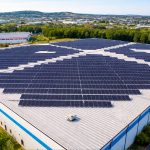
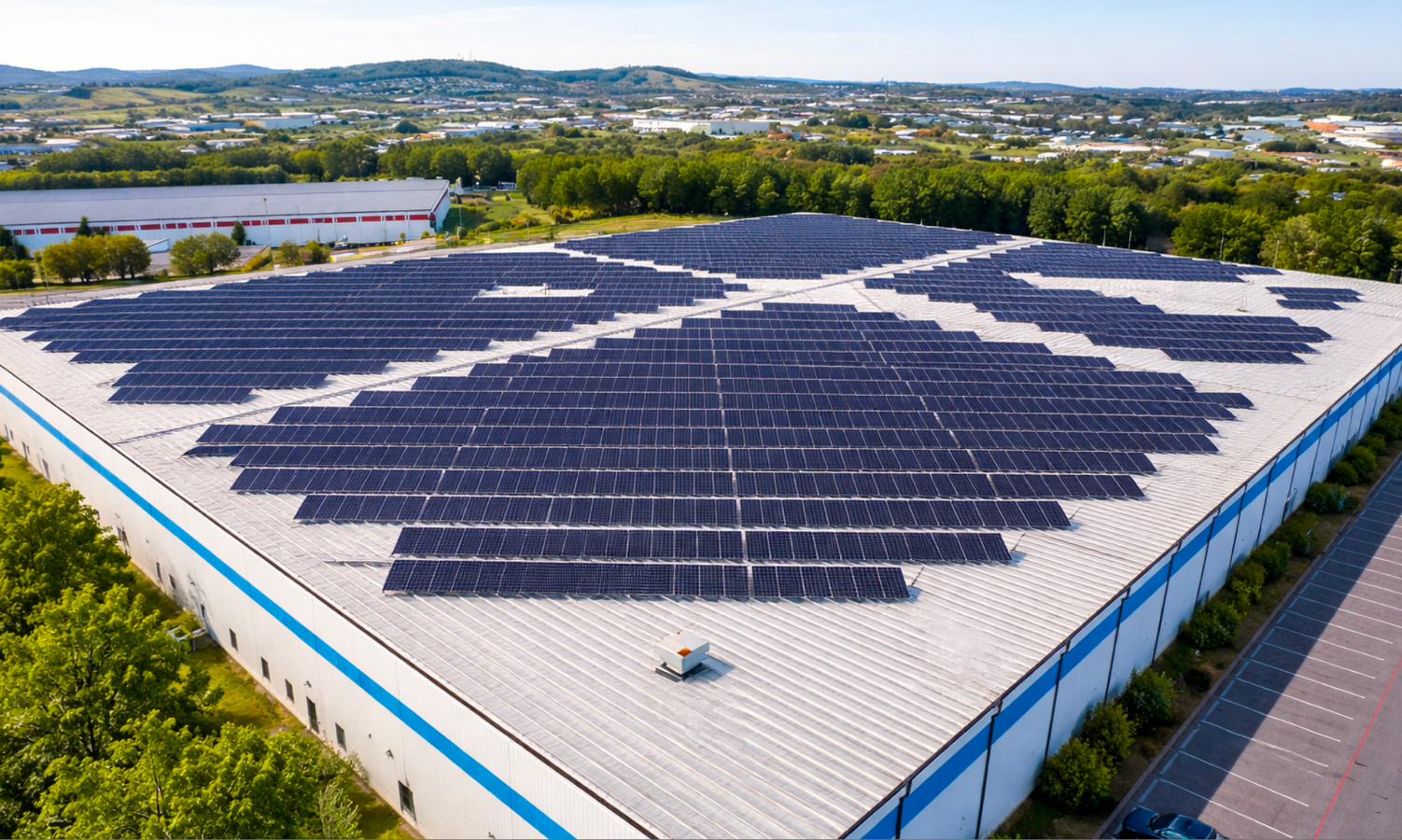
A useful reference point: a 100 kW rooftop system on a 50,000 sq ft logistics facility typically produces around 130,000 kWh per year, offsetting $18,000–$25,000 in electricity costs in year one. That number grows every year the utility raises its rates.
Ready to model the numbers for your facility? Browse commercial panel options and request a quote at A1 SolarStore to get real pricing for your project size.
Energy Storage: Beyond Daytime Generation
Most businesses underestimate demand charges. These are not billed per kilowatt-hour like regular consumption. Utilities bill demand charges based on your single highest 15-minute power draw in a billing period, and for many commercial accounts they represent 30–70% of the total bill.
A single poorly timed equipment startup can spike your demand charge for the entire month. Battery storage prevents this by smoothing peak draw automatically.
Battery systems using LFP chemistry store excess solar generation and release it during high-rate periods. The result is a flatter load profile, lower demand charges, and more predictable monthly costs than panels alone can deliver. Sizing the battery correctly matters. The right ratio depends on your rate structure and when your facility draws its heaviest load.
Operational and Brand Benefits
Predictable Budgeting
A paid-off solar system converts one of your most volatile operating expenses into a fixed cost. CFOs in logistics, food service, and manufacturing tend to find this more valuable than the savings number alone suggests. Budgeting around a utility rate you control is a different kind of stability than hoping rates stay flat.
Talent and Reputation
A rooftop array is visible. It signals something to job applicants, customers, and investors that a sustainability page on your website does not. Companies that have made a verifiable investment in clean energy are increasingly differentiated in competitive hiring markets.
Installation Timeline
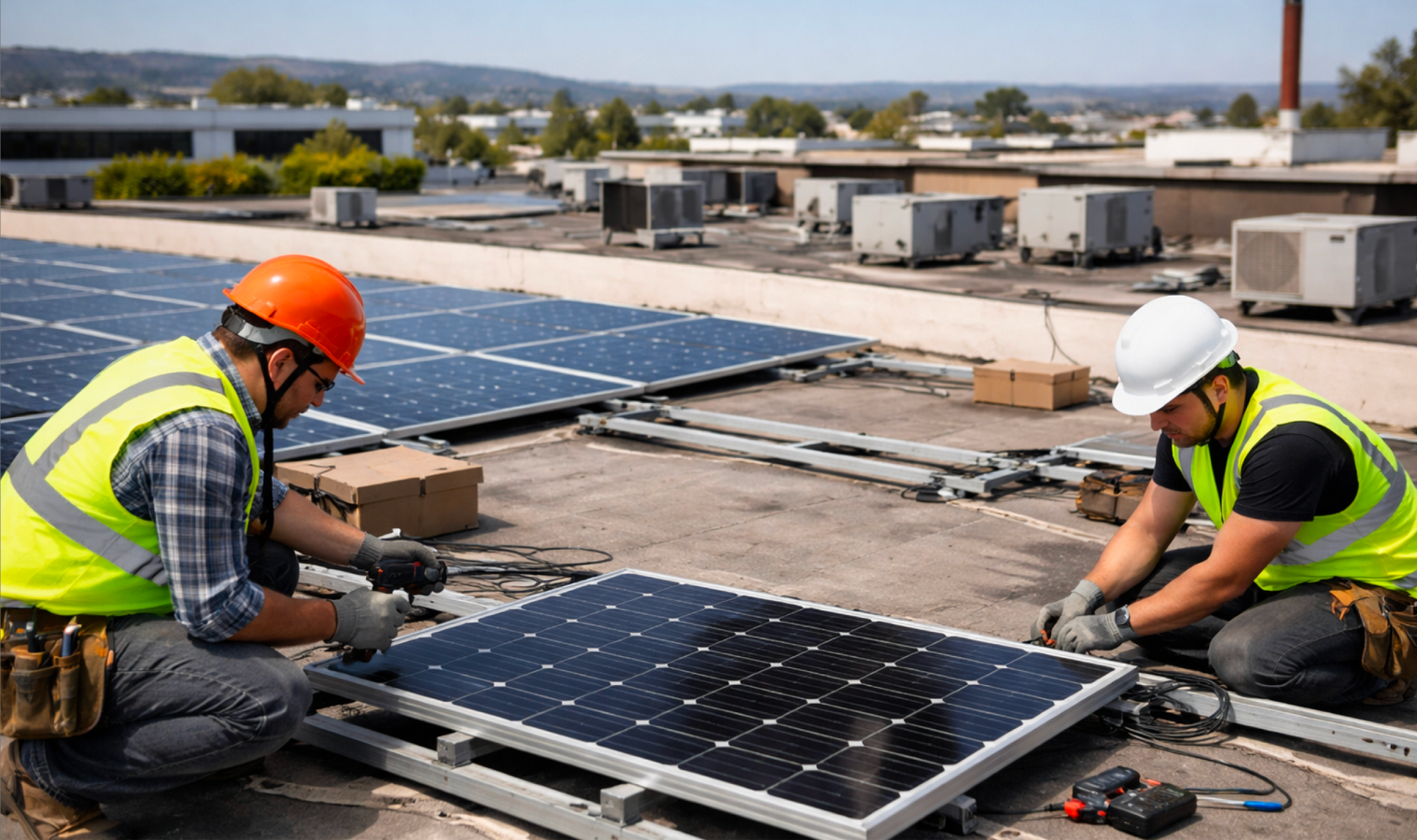
The physical installation is not the slow part. A crew can complete a commercial rooftop system in three to eight weeks depending on size. What takes time is permitting and interconnection. Depending on your jurisdiction and utility, those steps alone can run four to twelve weeks. Plan accordingly and start the process before you need the system online.
Most projects go from signed contract to energized system in three to five months. Starting now positions your business to capture 2026 incentives and get operational before the next utility rate adjustment.
 Where to Start: A1 SolarStore
A1 SolarStore is a U.S.-based distributor carrying solar panels from tier-one manufacturers across a range of wattages and form factors. Whether you’re sourcing equipment for a 25 kW rooftop system or a large ground-mount array, A1 SolarStore offers transparent pricing, current inventory, and product support to help you spec the right panels for your project. Visit their website to compare specifications, check availability, and request a quote.