Ever walked into an office and immediately felt more relaxed because of a simple vase of flowers on the reception desk? Turns out there’s actual science behind that feeling, and it’s changing how urban planners and workplace designers think about productivity and wellbeing.
The Brain Chemistry Behind Blooms
Here’s the thing about flowers: they’re not just pretty decorations sitting there looking innocent. Research shows that exposure to fresh blooms triggers measurable changes in our stress hormones and brain activity. When people work in environments with natural elements like flowers, their cortisol levels drop by up to 15%. That’s pretty significant when you consider how much time we spend in concrete boxes.
The visual impact happens within seconds, but the real magic takes a bit longer to unfold. After about 20 minutes around fresh flowers, most people show improved focus and creative problem-solving abilities. It’s like our brains remember something ancient about being surrounded by nature, even when we’re stuck on the 30th floor of a city tower.
Why Urban Environments Need This More Than Ever
Look, city living can be tough on the mind. All that steel, glass, and constant noise creates what psychologists call “cognitive fatigue.” Our brains are working overtime just to filter out urban stimulation, leaving less mental energy for the stuff that actually matters.
But here’s where it gets interesting. Adding fresh flowers to urban workspaces creates what researchers call “attention restoration.” Basically, looking at natural forms gives our overworked attention systems a mini vacation. Even a small arrangement can provide enough visual relief to reset focus levels.
The impact goes beyond individual productivity too. Teams working in flower-enhanced environments report better collaboration and communication. Something about those natural elements seems to soften the edges of workplace stress and make people more open to each other’s ideas.
The Surprising ROI of Office Blooms
Companies are starting to catch on to this connection between flowers and performance. A Perth florist recently shared how their corporate clients are requesting weekly arrangements specifically to boost employee wellbeing rather than just for aesthetic purposes.
The numbers back this up. Offices that incorporate regular fresh flower displays see productivity increases of around 12% and sick day reductions of roughly 8%. When you factor in the relatively small cost of maintaining fresh arrangements, the return on investment is actually pretty impressive.
Beyond the Office: Flowers in Urban Planning
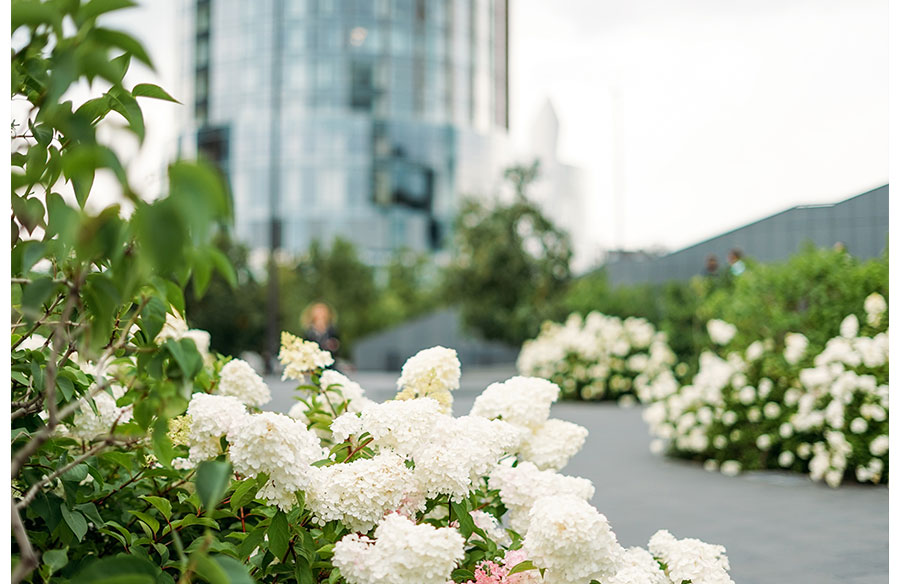
This wellness-through-blooms concept is spreading beyond individual workspaces. Urban planners are incorporating flower markets, rooftop gardens, and floral installations into city designs as mental health infrastructure. The idea is that regular exposure to natural beauty isn’t a luxury but a necessity for psychological wellbeing in dense urban environments.
Some cities are experimenting with “bloom corridors” along major commuter routes. Early results suggest that people who walk through these flower-lined paths to work arrive at their offices measurably less stressed than those taking traditional concrete routes.
Making It Work in Practice
The truth is, you don’t need a massive budget or complete office renovation to tap into these benefits. Small, strategically placed arrangements in break rooms, meeting spaces, and reception areas can create significant impact. The key is consistency rather than grandeur.
Fresh matters more than fancy, too. A simple bunch of seasonal flowers changed weekly often outperforms elaborate permanent displays when it comes to mental health benefits. There’s something about the natural life cycle that keeps our brains engaged and interested.
The research keeps pointing in the same direction: incorporating fresh blooms into urban work environments isn’t just about making spaces look nicer. It’s about creating conditions where human minds can function at their best, even when surrounded by all the challenges of modern city life.