Air conditioning problems rarely appear out of nowhere. In most homes, the system starts giving warnings well before it fully stops working. A room may take longer to cool, the airflow may feel weaker, or the unit may begin making a sound that was never there before. These changes are easy to brush off when the system still runs, but they usually mean something inside the equipment is beginning to fail. In Longview, TX, that is a serious issue because air conditioners do not get much of a break. The long cooling season, the humidity, and the constant demand place real pressure on every part of the system. When an AC starts struggling in East Texas, it can go from a minor inconvenience to a major problem very quickly. That is why homeowners need to know which warning signs matter most. Catching a problem early can protect your comfort, your budget, and the life of your equipment.
Many homeowners assume an air conditioner either works or it does not. In reality, there is a wide range of poor performance that happens before a complete breakdown. The system may still turn on, but it may be cooling unevenly, cycling incorrectly, or losing efficiency every day it continues to run. Some of the most expensive air conditioning repairs start as small symptoms that were ignored for too long. A worn electrical component can strain the compressor. A refrigerant issue can cause the system to run hotter and longer than it should. A clogged filter can reduce airflow and create pressure throughout the equipment. By the time the unit finally stops, the damage is often much worse than it had to be. That is why paying attention to changes in performance is so important. Your AC often tells you there is a problem long before it gives out completely.
For homeowners in Longview, knowing when to call for service matters just as much as knowing how to operate the thermostat. You do not need to diagnose the system yourself, but you do need to recognize when something is off. Immediate attention does not always mean a catastrophic repair is already needed. Sometimes it means acting before the repair becomes catastrophic. That is the smarter approach, especially during the hottest part of the year when HVAC Longview TX companies are busiest and your home needs dependable cooling the most. If your AC is making noise, blowing warm air, running constantly, or sending your electric bill higher for no clear reason, those are not small details. They are signs the system needs professional attention now. The sooner the issue is identified, the better your chances of keeping the repair controlled, affordable, and straightforward.
Signs Your Longview, TX Air Conditioner Is Starting to Fail
Most air conditioning systems do not fail silently. They show signs of stress through performance changes, comfort issues, and unusual behavior that homeowners can notice if they know what to look for. In Longview, where AC systems work hard for extended periods, these warning signs should never be written off as normal. A unit that is struggling in June can easily become a full breakdown in July or August. The goal is to catch the system while repair is still manageable. That starts with recognizing the most common symptoms of AC trouble.
Weak Airflow Coming From the Vents
Weak airflow is one of the clearest signs that an AC system needs attention. When your air conditioner is healthy, you should feel a steady and noticeable stream of cooled air moving through the vents. If the airflow suddenly feels faint, inconsistent, or limited to certain parts of the home, the system is telling you something is wrong. In many cases, the issue starts with a clogged air filter that has been restricting circulation for too long. It can also point to blower problems, duct leakage, evaporator coil issues, or obstructions somewhere in the system. Whatever the cause, weak airflow means your AC is no longer distributing comfort the way it should. In Longview heat, that is more than an annoyance. It is the early stage of a bigger failure if it is ignored. Reduced airflow almost always means reduced system performance.
Homeowners often notice weak airflow first in the rooms farthest from the indoor unit. A bedroom may stay warmer than the rest of the house, or one side of the home may feel muggy while another side feels closer to normal. That uneven comfort is a clue that the system is struggling to move air effectively. Sometimes the AC continues running for long stretches because the thermostat is not being satisfied. That increases wear on the system and can drive up utility costs while still leaving the home uncomfortable. What makes weak airflow tricky is that the system still appears to be operating, so people often wait too long to investigate it. They assume the weather is just hotter than usual or that the house needs more time to cool down. In reality, airflow problems rarely fix themselves. They usually worsen as the system keeps running under strain.
There is also a long term cost to ignoring poor airflow. When the blower motor has to work harder, or when airflow is reduced across the coil, system efficiency drops and component stress rises. That can affect the compressor, shorten the life of the unit, and create a chain reaction of avoidable problems. A professional technician can determine whether the issue is as simple as a severely dirty filter or as serious as a failing motor or damaged ductwork. Either way, weak airflow should be treated as an early warning sign, not a minor inconvenience. In Longview, where dependable cooling is essential for months at a time, airflow problems should be addressed quickly before they lead to more expensive repairs.
Warm Air Blowing Instead of Cool Air
An air conditioner that blows warm air is not doing its job, even if the system still sounds like it is running normally. This is one of the most frustrating AC problems because the unit may seem active while the house keeps getting warmer. In some cases, the issue is as simple as a thermostat setting error, but in many cases it points to a deeper mechanical or refrigerant related problem. Low refrigerant levels, a failing compressor, frozen evaporator coils, or electrical component issues can all interfere with the cooling cycle. When that happens, the system may continue moving air through the vents without actually removing heat from the home. For a homeowner in Longview, that can become a serious comfort issue fast. Warm indoor air and high outdoor temperatures are a bad combination. The system needs to be checked before more damage occurs.
Warm air often shows up gradually before it becomes obvious. At first, the air may feel cool enough in the morning but noticeably less cool during the hottest part of the afternoon. Then the house starts taking longer to recover after the thermostat is adjusted. Eventually, the vents are moving air that feels neutral or plainly warm. This progression matters because it usually means the system has been declining for a while. Refrigerant problems in particular can cause the equipment to work much harder while providing worse results. That added strain can damage major components if the issue is left unresolved. Homeowners sometimes lower the thermostat further, hoping the system will catch up, but that only makes the unit run longer while the real issue continues. Warm air is never something to wait out.
There is also a comfort and humidity side to this problem. In Longview, proper air conditioning is not just about temperature. It is also about moisture removal. When an AC is blowing warm air or failing to cool effectively, humidity can rise inside the house and make the home feel even more uncomfortable. Rooms can start feeling sticky, heavy, and stale. That kind of indoor environment puts more pressure on everyone in the home and makes it clear the system is no longer functioning correctly. A professional inspection can confirm whether the problem is refrigerant loss, compressor trouble, thermostat failure, or another cooling issue. The key is to act before the system turns a reduced cooling problem into a total no cooling emergency.
Strange Noises From the Indoor or Outdoor Unit
Air conditioners are not silent, but they should be predictable. Homeowners usually become familiar with the normal sound of their system over time. That is why a new noise stands out so quickly. If your AC begins rattling, buzzing, grinding, squealing, clanking, or humming differently than usual, it should be taken seriously. Strange sounds usually mean a component is loose, worn, failing, or operating under abnormal stress. These noises are not random. They are often the first signal that a repair is needed. In Longview, where AC systems stay active for long stretches, even a small mechanical issue can grow quickly if the unit continues to run. Unusual sounds are often the system’s way of asking for help before something breaks completely.
Different sounds can point to different kinds of problems. A rattling noise may mean loose hardware, cabinet vibration, or debris inside the outdoor unit. A buzzing sound can be tied to electrical issues, failing capacitors, or contactor problems. Squealing may indicate motor trouble or belt related wear in certain systems. Grinding is more serious and often points to worn bearings or internal motor damage. Banging or clanking can suggest a loose or damaged part moving where it should not. Homeowners do not need to identify the exact cause themselves, but they should know that these sounds are not normal background noise. They are warnings that mechanical wear has reached the point where it can be heard.
Ignoring these noises is where the real cost begins. A loose part today can become a damaged assembly tomorrow. A struggling motor can overheat and affect other components. What could have been a targeted repair can turn into a larger and more expensive job simply because the system kept running. In many cases, homeowners wait because the AC still cools, at least somewhat. That is a mistake. A noisy AC is often still operating, but it is doing so under conditions that are accelerating damage. Having the system inspected when the sound first appears is the right move. In a Longview summer, you do not want to wait until the noise stops because the unit has stopped with it.
Unusual Smells When the AC Runs
Air conditioners should not create strong odors inside the home. If a noticeable smell appears when the system turns on, it usually means there is an issue somewhere in the equipment, ductwork, or drainage system. Musty odors often suggest moisture buildup, biological growth, or a drainage problem around the indoor coil. Burning smells can point to overheating electrical components, wiring issues, or motor problems. In either case, the smell is a warning sign that should not be ignored. In Longview, where humidity already puts pressure on indoor comfort systems, moisture related AC issues can develop quickly. Once odors begin, the problem has usually been present longer than the homeowner realizes. The smell is simply the stage where it has become obvious.
Musty odors are especially common when the condensate system is not draining correctly or when moisture remains around the evaporator coil for too long. That trapped moisture can lead to buildup that affects air quality and system cleanliness. Homeowners may notice the smell is strongest when the system first starts, then fades as it continues running. Others may notice the smell in specific rooms, which can point to duct contamination or localized moisture issues. A burning or electrical odor is more urgent. That kind of smell can mean a component is overheating or that wiring insulation is being stressed. The unit should not keep running under those conditions without inspection. Smells are not just a comfort problem. They can be a system safety problem too.
There is also a quality of life issue that comes with AC odors. The system is supposed to help make the home cleaner, cooler, and more comfortable. If turning it on fills the house with a stale, damp, or burnt smell, that is a clear sign the system is no longer helping the indoor environment the way it should. Homeowners may try to mask the smell, but that does not address the cause. The right solution is to identify the source and fix it properly. A technician can inspect the coil, drain line, blower compartment, electrical components, and duct system to pinpoint the issue. In Longview homes, where AC use is heavy and indoor comfort matters every day, odor problems should be addressed immediately.
Higher Electric Bills Without a Clear Reason
A rising electric bill is often one of the first signs that an AC system is struggling, even before comfort issues become severe. If your cooling habits have stayed about the same but your monthly bill has increased noticeably, the air conditioner may be losing efficiency. Dirty coils, weak airflow, refrigerant issues, electrical problems, failing motors, or thermostat control problems can all make the system work harder than necessary. The home may still be cooling, but the unit is using more energy to achieve less. In Longview, where air conditioners run heavily during long hot stretches, even a moderate drop in efficiency can show up quickly on the utility bill. That extra cost is often the earliest financial sign that repair is needed.
Homeowners sometimes assume higher summer bills are just part of living in East Texas, and to a point, that is true. But there is a difference between a seasonal increase and a sudden spike that does not line up with weather or usage habits. If the bill jumps sharply or continues climbing from one month to the next, it is worth looking at the AC system. Units that are short cycling, struggling to cool, or running extended cycles because of hidden issues can consume much more electricity than expected. The thermostat setting may not have changed, but the unit may be staying on longer, restarting more often, or failing to complete the cooling cycle efficiently. All of that adds cost without adding comfort.
The financial problem also tends to get worse the longer it is ignored. A system that is inefficient today may become unstable tomorrow. That means the homeowner is paying more each month while also risking a larger future repair. Addressing the issue early can often restore better performance and lower operating costs before a major component fails. A professional HVAC technician can inspect the system and determine why it is using more energy than it should. In many cases, the issue is repairable and far less expensive than replacing a major component later. If your electric bill is telling you something has changed, it is worth listening.
What These AC Problems Usually Mean Inside the System
Homeowners do not need to diagnose their air conditioner themselves, but it helps to understand what common warning signs often point to. AC problems are rarely random. The symptoms you notice in the home usually connect to a mechanical, electrical, refrigerant, or airflow issue inside the system. Knowing the possible causes helps explain why immediate service matters. It also makes it clear that these problems are not cosmetic. They affect how the system operates, how efficiently it cools, and how long it will last.
Airflow Problems Often Start With Filters, Blowers, or Duct Issues
When airflow drops, many people think only about the air filter, and while that is often part of the issue, it is not always the whole issue. A severely clogged filter can absolutely reduce airflow and create pressure problems in the system. But weak airflow can also come from a failing blower motor, a dirty evaporator coil, collapsed flex duct, disconnected duct sections, or major leaks in the duct system. All of these problems reduce the system’s ability to move conditioned air through the home. The AC may still be trying to cool, but the air is not reaching the living space the way it should. That leads to uneven comfort, longer run times, and rising strain on key components.
Blower problems are especially important because the blower is responsible for moving air across the indoor coil and through the duct system. If the motor is weakening or if the wheel is dirty or damaged, airflow drops and system performance suffers across the board. The evaporator coil can also become dirty enough to restrict airflow significantly. In some cases, a low airflow issue contributes to coil freezing, which then reduces airflow even more. Duct issues make the problem worse by allowing conditioned air to escape into unconditioned spaces before it ever reaches the rooms that need it. That means the homeowner is paying to cool spaces that do not matter while the house stays uncomfortable.
The reason these issues require attention now is that airflow problems affect the entire system, not just one part of it. Reduced airflow can lead to poor coil temperatures, increased compressor stress, humidity problems, and longer cooling cycles. Over time, that kind of operating strain raises repair risk and shortens equipment life. A technician can measure airflow, inspect the duct system, check blower operation, and identify restrictions that are hurting performance. In Longview, where AC systems have to work hard for extended periods, airflow problems should be treated as priority issues.
Warm Air Can Point to Refrigerant, Compressor, or Thermostat Trouble
When an AC blows warm air, homeowners often assume the entire unit is done for, but that is not always the case. Warm air can come from several different issues, and some are more repairable than others if caught early. One of the most common causes is refrigerant loss. Refrigerant is what allows the system to absorb indoor heat and release it outside. If the charge is low because of a leak, the system cannot cool properly. The unit may still run, but the cooling effect drops and the equipment works harder trying to do the same job. That extra strain can eventually affect the compressor if the issue continues long enough.
Compressor trouble is another major possibility. The compressor is central to the cooling cycle, and when it begins to fail, the system can lose its ability to move refrigerant effectively. That leads to little or no cooling even though the indoor fan may still be blowing air through the vents. Electrical issues can create similar symptoms if capacitors, contactors, or control components are no longer allowing the system to operate correctly. In some cases, the thermostat is the problem. If it is misreading the indoor temperature or failing to send proper signals, the system may not enter or sustain the cooling cycle the way it should. That is why warm air should never be blamed on a single cause without inspection.
The risk of ignoring warm air is that it often means the system is still running while not cooling effectively. That wastes energy, increases wear, and makes the eventual repair more expensive if the real problem grows. Refrigerant issues in particular should be handled quickly because they usually indicate a leak somewhere in the system. Just adding refrigerant without finding the leak is not a lasting solution. A professional technician can test pressures, inspect components, verify thermostat operation, and determine what is actually causing the problem. For a Longview homeowner in peak cooling season, that kind of quick diagnosis matters.
Noises and Smells Usually Mean Wear or Damage Is Already Active
A strange sound or odor from the AC is not just a vague sign that something might be wrong. In most cases, it means something is already wrong right now. Noises often mean that a moving part is wearing out, a component has loosened, or a motor is being strained in a way it should not be. Smells usually mean that heat, moisture, or buildup has reached a point where it is affecting the air moving through the system. These are not speculative symptoms. They are real signals that the system is operating with an active problem. That is why waiting for them to go away is rarely effective. They usually get worse, not better.
Mechanical noise often builds over time. Bearings wear, motors age, mounting hardware loosens, and vibration increases as the system keeps cycling. Electrical smells or buzzing sounds can be tied to failing components that are beginning to overheat. Musty odors often tell you that moisture is not being managed correctly somewhere in the indoor system. In each case, the symptom is just the visible part of a deeper operating problem. A homeowner may notice the smell only when the unit starts, or hear the sound only during a specific part of the cycle, but that does not make it minor. It just helps narrow down where the technician should focus during inspection.
The reason prompt service matters here is that wear spreads. A stressed motor affects connected components. Loose parts damage surrounding parts. Moisture buildup affects cleanliness, airflow, and air quality. Small symptoms can lead to bigger system impact if the unit keeps running day after day. In a Longview summer, that can happen fast because the equipment does not stay off for long. A technician can identify whether the issue is electrical, mechanical, moisture related, or airflow related and correct it before more damage occurs. Strange sounds and odors are some of the clearest signals that the system should be checked now.
High Bills and Long Run Times Point to Falling Efficiency
When an AC system begins losing efficiency, one of the first things homeowners notice is that it seems to run longer without delivering the same comfort. That longer operation often shows up later as a higher electric bill. This usually means one or more system components are no longer doing their job efficiently. Dirty condenser coils can make it harder for the unit to reject heat. Refrigerant issues can weaken cooling output. Weak airflow can reduce heat transfer indoors. Thermostat or sensor issues can keep the system running past the point where it should have cycled off. All of this leads to more operating time and more energy use.
What makes falling efficiency dangerous is that many homeowners tolerate it for too long. The house is still cooling, at least enough to get by, so the issue seems manageable. But an inefficient system is not just costing more to operate. It is also running under added strain that increases the chance of a component failure later. Compressors, motors, capacitors, and control parts all experience more wear when a system is running longer and harder than it should. That means the homeowner is paying twice: once in higher utility bills, and again in the growing risk of repair. Efficiency loss is often the warning stage before more obvious failure arrives.
Professional service is important here because the cause of efficiency loss is not always visible from the outside. A technician can inspect coil condition, refrigerant charge, temperature split, electrical readings, airflow, and runtime behavior to determine why the system is underperforming. Once the cause is identified, it is often possible to restore much of the lost efficiency with the right repair. For homeowners in Longview, where AC usage is heavy, even a modest improvement in efficiency can make a meaningful difference in comfort and operating cost. If the bill is rising and the system seems to be running constantly, it is time to have it checked.
Short Cycling Often Means the System Is Under Stress
Short cycling happens when the AC turns on and off more frequently than it should. Instead of running through a normal cooling cycle, it starts, stops, and restarts in a pattern that places unnecessary strain on the equipment. Homeowners may notice that the system seems to kick on often but never really settles into steady operation. This can happen for several reasons. Low refrigerant, thermostat problems, restricted airflow, dirty coils, electrical issues, or even sizing problems can all contribute. Whatever the exact cause, short cycling is hard on the system. Every start puts demand on motors and electrical components, and repeated cycling accelerates wear.
This kind of behavior also hurts comfort. A short cycling system often does a poor job of controlling indoor humidity because it does not run long enough to remove moisture consistently. In a humid place like Longview, that makes a big difference in how the house feels. The indoor temperature may not seem terrible at first, but the air can feel damp, sticky, and unstable. Homeowners may adjust the thermostat more often, thinking the setting is the issue, when the real problem is cycle behavior. The house never seems to get fully comfortable because the system is not completing its work the way it should.
The longer short cycling continues, the more damage it can cause. Compressors do not like repeated starts, and electrical components can wear out faster under those conditions. What begins as a control or refrigerant issue can lead to a much larger repair if the system keeps operating this way. A professional technician can test cycle timing, inspect controls, measure refrigerant levels, and verify whether the system is being forced to restart too often. In Longview, where AC reliability matters every day during hot weather, short cycling should be treated as an urgent performance problem, not something to monitor casually.
Why Delaying AC Repair in Longview Can Cost You More
Many homeowners know something is off with their AC but still wait to call because the system has not stopped completely. That delay is understandable, but it is often where the real trouble begins. Air conditioners rarely improve with time once symptoms appear. They typically continue running under strain, and that strain increases repair risk, utility costs, and the chance of a full breakdown. In Longview, where the cooling season is long and intense, delaying service gives the problem more time to grow. Immediate attention is often the cheaper and smarter move.
Small AC Problems Can Turn Into Large Repairs Fast
One of the biggest misconceptions homeowners have is that waiting a week or two will not make much difference. In reality, AC systems can deteriorate quickly once a problem begins affecting performance. A weak capacitor can stress a motor. A refrigerant problem can overwork the compressor. A dirty coil can raise system pressures and affect overall cooling. These are not isolated issues. They create ripple effects that involve the rest of the system. The longer the unit keeps running in that condition, the more likely it is that secondary damage will occur. A relatively small repair today can become a much larger repair after more runtime under poor conditions.
This is especially true in Longview because systems are not just cycling occasionally in summer. They are often running daily and for long hours at a time. That heavy use means the timeline from minor symptom to major breakdown can be shorter than people expect. Homeowners sometimes say the AC was making noise or cooling weakly for days before it stopped entirely. By the time service is called, the problem has already expanded. A delay that seemed harmless turned into a no cooling emergency. That kind of situation is stressful and usually more expensive than early intervention would have been.
Prompt repair protects the system by stopping the chain reaction. Instead of allowing the AC to keep operating under strain, a technician can identify the issue and correct it before it spreads. That protects major components and gives the homeowner a better chance of avoiding a high ticket repair. It also restores comfort sooner, which matters during East Texas heat. In air conditioning, waiting is often the most expensive choice in the end.
Longview Heat Puts Extra Pressure on a Struggling AC
Air conditioners in Longview do not have the luxury of light seasonal use. They operate in a climate where heat and humidity create steady demand for months. That means a system with even a modest problem is not dealing with occasional stress. It is dealing with repeated and sustained stress every day. A unit that is low on refrigerant, running with weak airflow, or cycling incorrectly will not be able to coast through a Longview summer for long. The environment makes sure of that. Outdoor heat raises the workload, indoor humidity adds pressure, and the system keeps being asked to do more while it is already compromised.
This matters because some homeowners think they can wait until the end of the week, or until temperatures cool off a little, or until the system gets worse. But in Longview, conditions outside usually do not give struggling AC systems much relief. If the unit is already underperforming, the next hot stretch can push it over the edge. That is why repairs that seem urgent in this climate actually are urgent. The weather is not neutral. It actively increases the consequences of delay. A system that might have limped along in a milder climate can fail outright here under heavy summer demand.
Getting the unit checked quickly is not overreacting. It is recognizing the conditions the equipment is operating in. Longview homeowners need systems that can handle real heat reliably, not units that are barely keeping up and getting worse by the day. Immediate service is often what prevents a stressful breakdown during the hottest part of the season. In this climate, time matters.
Delayed Repairs Often Lead to Higher Energy Costs
Even before a struggling AC stops working, it often starts costing more to operate. Homeowners may not realize how much money they are losing while they wait. A system that runs longer than normal, short cycles repeatedly, or fails to cool efficiently can drive up electric bills fast. That means every week of delay adds to the operating cost of the problem. The house may still be uncomfortable, but now the homeowner is also paying extra for underperformance. That is one of the most frustrating parts of delayed air conditioning repair. The system is giving less while costing more.
These higher energy costs can be easy to overlook because they are spread across the billing cycle rather than charged all at once. But over a hot month in Longview, the difference can be significant. An inefficient system may be running far more than it should just to maintain a basic indoor temperature. That extra runtime consumes more electricity, increases wear, and still leaves the home less comfortable than it should be. The longer the unit is allowed to operate in that condition, the more those wasted costs add up. By the time repair finally happens, the homeowner has already paid a financial penalty for waiting.
Addressing the problem earlier often saves money in two directions. It can reduce the repair scope, and it can bring energy usage back down sooner. A technician can restore proper airflow, cooling performance, or control function before the inefficiency becomes the new normal. For Longview homeowners who rely heavily on AC for much of the year, that matters a great deal. Utility bills are high enough in summer without paying extra for a system that needs repair. If the unit is running poorly, waiting is usually costing money every day.
Why You Need Professional AC Repair in Longview, TX
Air conditioners are complex systems with mechanical, electrical, airflow, and refrigerant related components working together constantly. When something goes wrong, the right repair depends on knowing exactly what failed and why. That is why professional service matters. Homeowners may recognize symptoms, but proper diagnosis and repair require training, tools, and real system knowledge. In Longview, where AC reliability is essential, professional HVAC Longview TX repair is the safest and smartest path forward.
Professional Diagnosis Prevents Guesswork and Misdiagnosis
One of the biggest risks in AC repair is assuming the first symptom tells the whole story. Weak airflow might seem like just a filter issue when the real problem involves the blower motor or evaporator coil. Warm air may look like a thermostat issue when the actual cause is low refrigerant or compressor trouble. Strange noise may be blamed on loose hardware when a motor is failing internally. Without proper testing, it is easy to chase the wrong issue and waste time while the real problem continues. Professional diagnosis matters because it replaces guesswork with actual system analysis.
A trained HVAC technician does more than observe the symptom. They measure airflow, inspect coil condition, check refrigerant pressures, test electrical components, verify thermostat performance, and evaluate how the system is cycling. That process matters because air conditioning problems often overlap. One issue may have caused another, and the visible symptom may only be the final result. A proper diagnosis identifies both the immediate failure and the underlying cause so the repair actually solves the problem. That is how long term results are achieved.
For homeowners in Longview, this matters even more during peak season. When the AC is struggling in high heat, there is no room for trial and error. The system needs an accurate answer and an effective fix. Professional diagnosis saves time, protects the equipment, and reduces the chance of repeat service calls for the same problem. That is the kind of repair work homeowners should want.
Correct Repairs Help Protect the Life of the System
A good repair does more than restore cooling today. It helps protect the unit from added stress and future failure. When the correct component is repaired properly, and when surrounding issues are identified at the same time, the AC can return to healthier operation. That matters because many AC failures are connected. A weak electrical part, poor airflow condition, or refrigerant issue can affect other components if it is left unresolved too long. Proper repair helps interrupt that cycle and keep the rest of the system from suffering.
This is especially important for major components like compressors and blower motors. These parts are expensive and are often damaged by running too long under the wrong conditions. Fixing the real issue early can help avoid putting those major parts at risk. Professional technicians understand how the system works as a whole, not just as separate pieces. They know how one problem changes temperatures, pressures, runtimes, and electrical demand throughout the unit. That system level understanding leads to better repairs and better long term performance.
Homeowners in Longview depend heavily on their AC systems, so equipment life matters. Replacing a unit before it should have worn out is a costly outcome. Professional repairs help prevent that by restoring operation correctly and reducing unnecessary stress on the equipment. In the long run, that protects both comfort and budget. A fast but incomplete repair may get the system running temporarily. A proper professional repair gives it a better chance to keep running reliably.
Safe AC Service Matters for Your Home and Family
Air conditioning systems involve electricity, moving parts, pressurized refrigerant, and moisture management. That combination makes them more complex than many homeowners realize. Trying to inspect or repair certain parts without the right training can create safety problems very quickly. Electrical components can hold charge even when the system is off. Refrigerant issues should be handled correctly and legally. Condensate and drainage problems can also affect surrounding areas of the home if they are ignored or handled incorrectly. Professional service helps ensure the work is done safely from the start.
Safety also matters in the quality of the repair itself. A poor electrical connection, incorrect part installation, or incomplete refrigerant repair can do more than reduce cooling. It can create recurring failures and operating hazards. Professional HVAC technicians follow proper procedures, test their work, and verify system function before closing the job. That protects the system and the home at the same time. It also gives the homeowner more confidence that the problem has been handled correctly, not just patched over.
In Longview, where AC systems run frequently and for long periods, safe and reliable repair is essential. Homeowners should not have to worry that a repair was done halfway or that a deeper issue was missed. Professional service brings accountability, testing, and experience to the job. When comfort equipment affects your daily life this much, that level of care matters. AC repair is not just about getting cold air back. It is about getting the system back safely and correctly.
Why R.C.’s A/C Reliable Climate Is the HVAC Company Longview Homeowners Can Trust
When your AC starts showing serious warning signs, the company you call matters. You need a team that understands how Longview weather affects HVAC systems and how to diagnose problems without wasting time. You also need honest communication, dependable workmanship, and real local service. That is where R.C.’s A/C Reliable Climate stands out. For homeowners in Longview and the surrounding area, the company offers experienced HVAC support built around straightforward service and long term trust.
Local HVAC Service Built on Honesty and Clear Communication
R.C.’s A/C Reliable Climate is locally operated and built on honesty, clear communication, and long term relationships. That matters because homeowners need real answers when their AC is acting up, not vague explanations or pressure. A good HVAC company should explain what is wrong, what needs to happen next, and what options make sense for the home. That kind of communication helps people make informed decisions instead of reacting in frustration during the hottest part of the year. Honest service is not a small detail in HVAC. It is the foundation of trust.
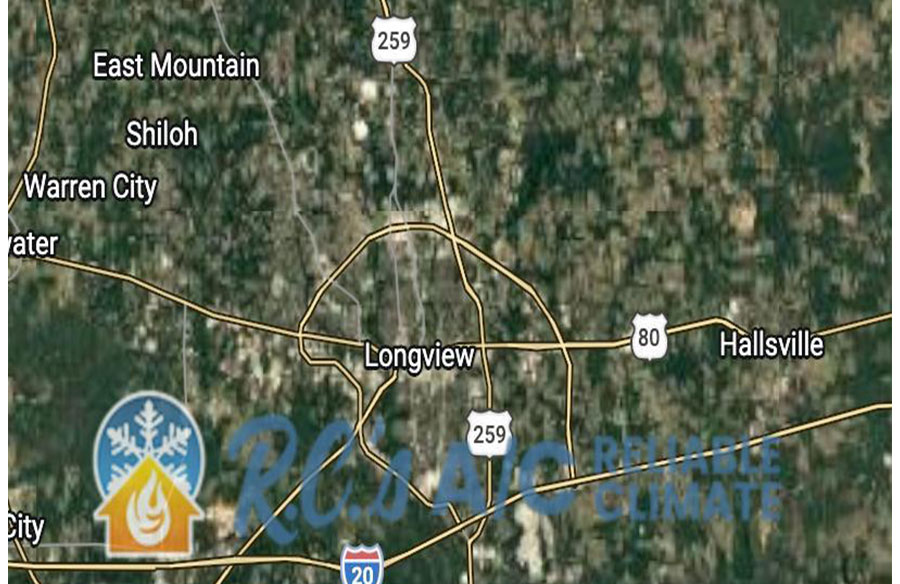
The company serves Longview, Gladewater, Gilmer, Hallsville, Kilgore, Lakeport, Liberty City, Marshall, and White Oak. That broad service area reflects a strong local presence and real familiarity with East Texas comfort demands. Homes in this region need AC systems that can handle heat, humidity, and long cooling seasons. A company that works in these conditions every day brings practical understanding to every service call. That local knowledge helps with diagnosis, repair recommendations, and long term system planning. It also means homeowners are working with a team that knows the area, not one guessing from a distance.
R.C.’s A/C Reliable Climate is licensed and insured under TACLA #129043C. The company is located at 3 Lewis Drive, Longview, TX 75605, and can be reached at (903) 316 6855. Those details matter because they reflect accountability and real local presence. When an AC problem needs immediate attention, homeowners should know exactly who they are calling and where that company stands. R.C.’s A/C Reliable Climate provides that kind of confidence from the beginning.
Full AC Repair, Installation, and Maintenance Support
A homeowner dealing with AC trouble needs more than just a temporary fix. They need a company that understands the full system and can support it over time. R.C.’s A/C Reliable Climate provides air conditioning installation, air conditioning repair, and air conditioning maintenance along with mini split, heat pump, furnace, thermostat, and duct services. That matters because cooling problems are often connected to broader system issues. A company that understands the full HVAC picture is better equipped to find the real cause of a problem and recommend the right solution.
This broader expertise is valuable whether the issue is weak airflow, warm air, short cycling, thermostat trouble, or an aging system that is no longer keeping up. Some homeowners need a focused repair. Others may need maintenance, airflow corrections, or a replacement estimate based on the condition of the equipment. Having one HVAC company that can guide all of those decisions makes the process easier and more consistent. It also reduces the chance of scattered advice that does not consider how the full system operates together. Strong HVAC service should be complete, not partial.
R.C.’s A/C Reliable Climate also offers free installation estimates, which gives homeowners a clear path forward when repair is no longer the best option. That matters because not every AC problem ends with replacement, but when replacement does become the right move, homeowners deserve clear information without pressure. Whether the need is repair, maintenance, or system planning, the company provides the kind of support homeowners need to move forward confidently. In Longview, that kind of full service HVAC capability is a real advantage.
Emergency HVAC Service and Strong Warranty Support
AC problems rarely happen at convenient times. In Longview, a system breakdown during a hot evening or weekend can create serious discomfort fast. That is why 24/7 emergency HVAC service matters. Homeowners need to know they have access to help when cooling cannot wait. R.C.’s A/C Reliable Climate offers 24/7 emergency HVAC service so customers are not left trying to manage dangerous heat or prolonged indoor discomfort on their own. Fast response matters when the AC is no longer keeping the home safe and livable.
The company also backs new systems with a 10 year parts warranty and a 1 year labor warranty. That level of support gives homeowners more confidence when they invest in new equipment. Warranty coverage does not just protect the purchase. It reflects a company willing to stand behind the work. That kind of support matters because HVAC equipment is a major investment, and homeowners should not feel like they are on their own the moment installation is complete. Reliable companies stay connected to the work after the job is done.
For homeowners in Longview, trust is built through real service, clear guidance, and dependable follow through. R.C.’s A/C Reliable Climate brings all of that together. When your AC shows signs of trouble and needs immediate attention, the right local HVAC company can make the situation much easier to handle. R.C.’s A/C Reliable Climate is prepared to help homeowners identify the problem, restore comfort, and keep the system operating the way it should.