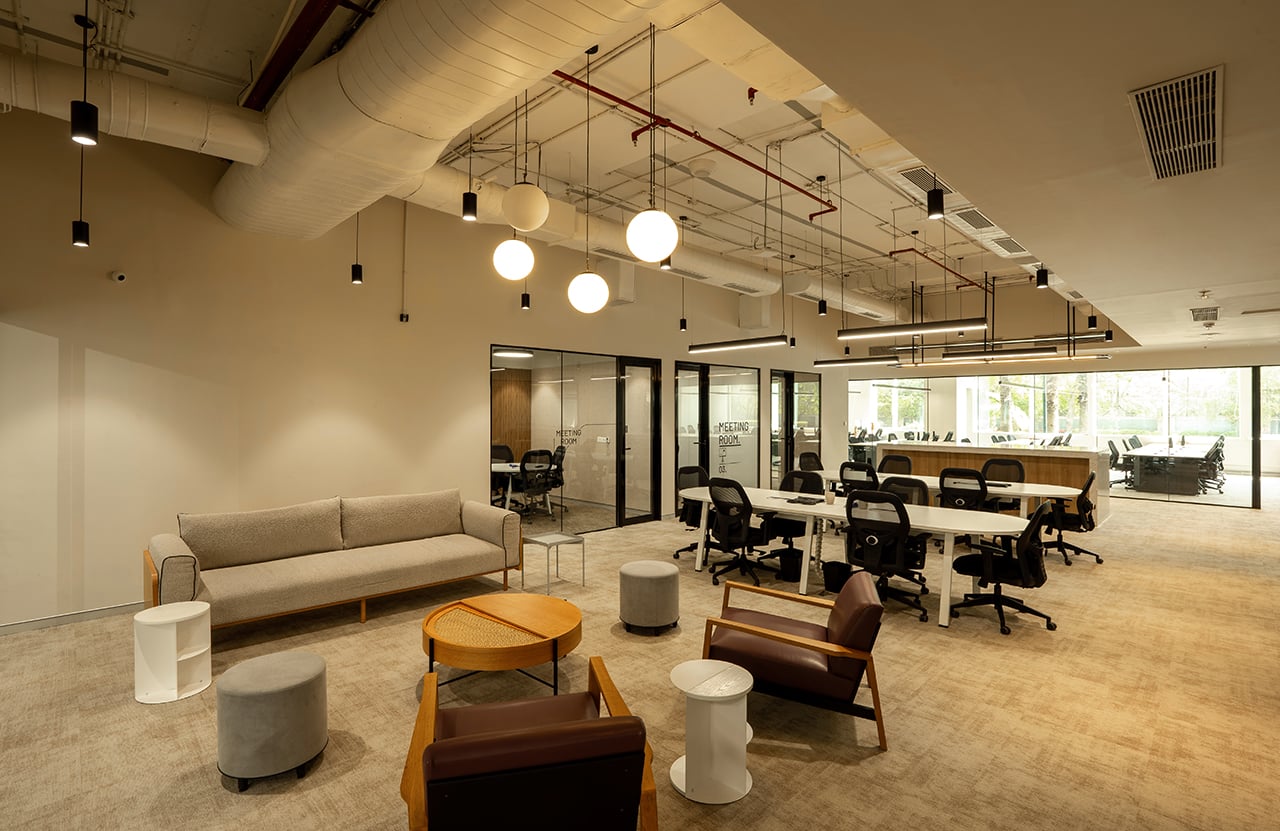
For decades, commercial architecture was driven by a more is more philosophy, more desks, more bold branding, and more complex technology. However, as we look toward the next generation of professional environments, the pendulum is swinging toward a more sophisticated, disciplined ethos.
Project Name: The Future of Commercial Design
Studio Name: Aeiforia Architects
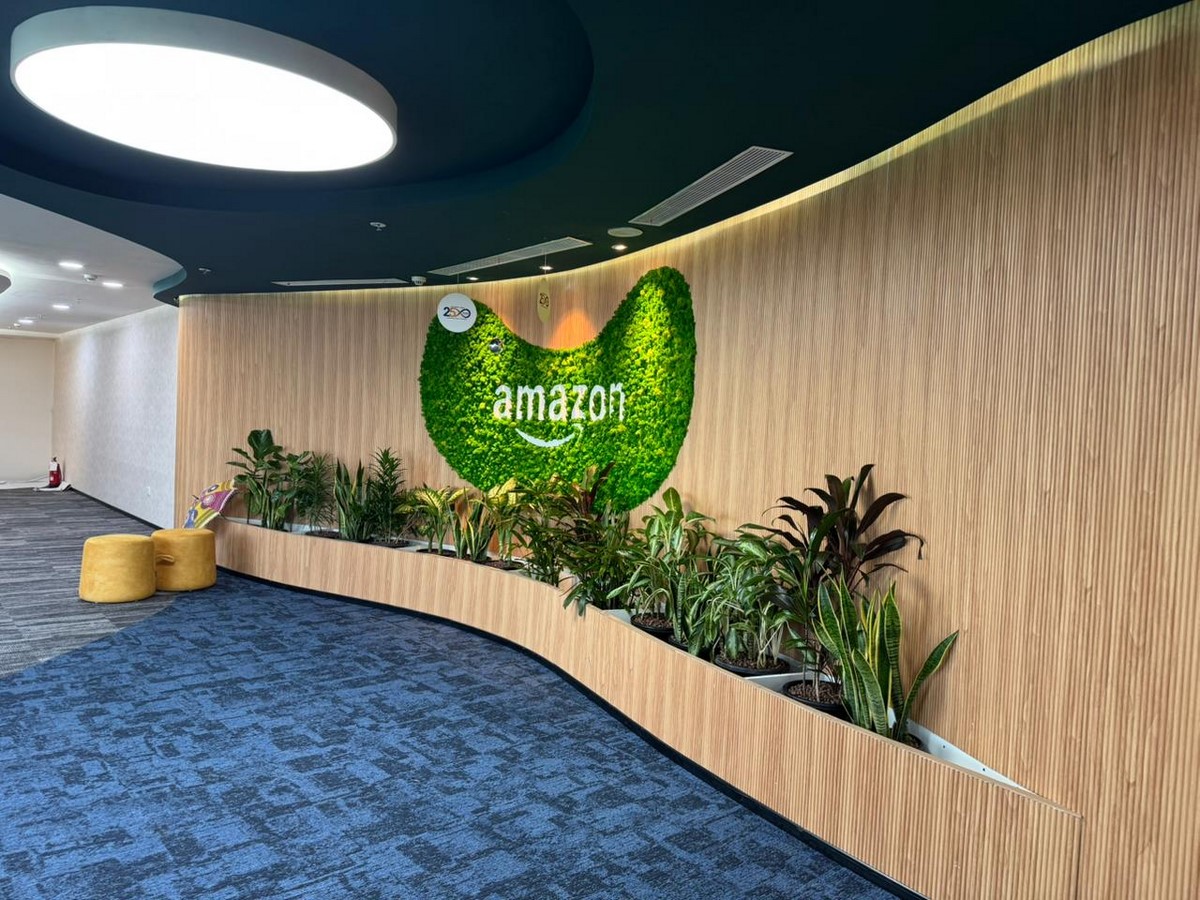
The future of commercial design is defined by a masterly synthesis of agility, minimalism, and biological harmony. It is a move away from the building as a mere container for work, toward the building as a high-performance tool for human flourishing.
The Power of Agility and Order
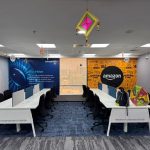
The hallmark of future design is radical adaptability. In a volatile economic landscape, a space that cannot change is a space that is obsolete. Future commercial hubs are built on modular grids, utilizing plug-and-play partitions and kinetic furniture that allow a floor plan to pivot from a collaborative war room to a series of focused deep-work sanctuaries in minutes.
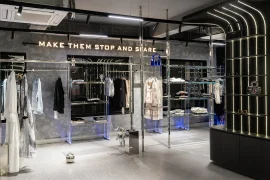
This flexibility is balanced by a strict commitment to visual order. By adopting a minimalist aesthetic and a restricted color palette, designers are intentionally reducing the cognitive load placed on occupants. In these spaces, white space is not empty space; it is a mental palette cleanser. By stripping away unnecessary ornamentation and clashing colors, the environment promotes a sense of psychological safety and clarity, allowing the professional mind to focus on high-level problem solving without the friction of a cluttered environment.
The Breathable, Biophilic Core
Perhaps the most significant shift is the transition from green-washing to authentic biophilia. The commercial spaces of tomorrow integrate nature into their very DNA. This means more than just a scattering of plants; it involves the strategic use of ample sunlight, filtered through smart-glass that tracks the sun’s path, and uninterrupted outdoor visuals that provide a micro-break for the eyes.
This connection to nature extends to the molecular level. The future is VOC-free. Recognizing that indoor air quality is a primary driver of cognitive performance, designers are mandating the use of thoughtful, non-toxic materials. From hemp-based insulation to mineral-derived paints and bio-resins, every material is chosen for its breathability. This ensures that the indoor climate is not just comfortable, but restorative, keeping the mind sharp and the body healthy throughout the workday.
The Four Pillars of Human-Centric Comfort
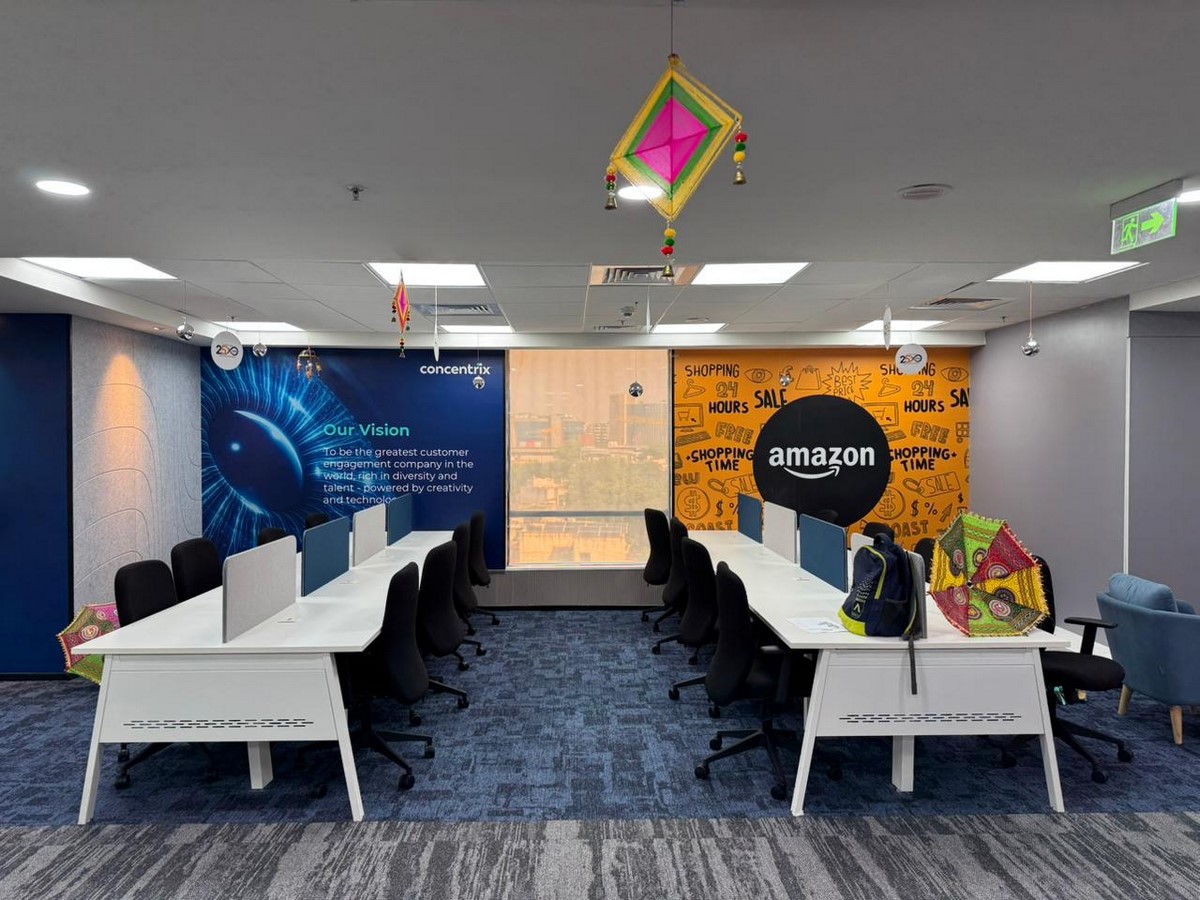
The future of commercial design is defined by a commitment to human-centric comfort, where a space is audited not just for its beauty, but for its sensory impact across four critical dimensions. Visually, it seeks a sophisticated equilibrium between harvested natural light and soft, indirect artificial sources to eliminate the glare and eye fatigue common in traditional settings. Acoustically, it employs a neat integration of hidden sound-absorbing materials and silent technology to create a calm sonic environment that fosters deep concentration without visual clutter. Ergonomically, the architecture moves away from static furniture toward dynamic, responsive environments that adapt to the body’s natural need for movement and varied postures. Finally, it must be functionally intuitive, utilizing “invisible” tech-integration and clear spatial flows to ensure that the environment serves as a seamless facilitator for productivity rather than a source of friction.
Technology as a Silent Facilitator
Finally, the Smart Building of the future is defined by efficiency rather than flash. Technology is integrated into the fabric of the building to optimize the use of power and space. AI-driven systems operate in the background, sensing occupancy levels to redirect airflow and lighting, ensuring that energy is never wasted. It is a seamless, tech-enabled ecosystem that supports the user’s needs before they even voice them, creating a space that is as intelligent as it is beautiful.
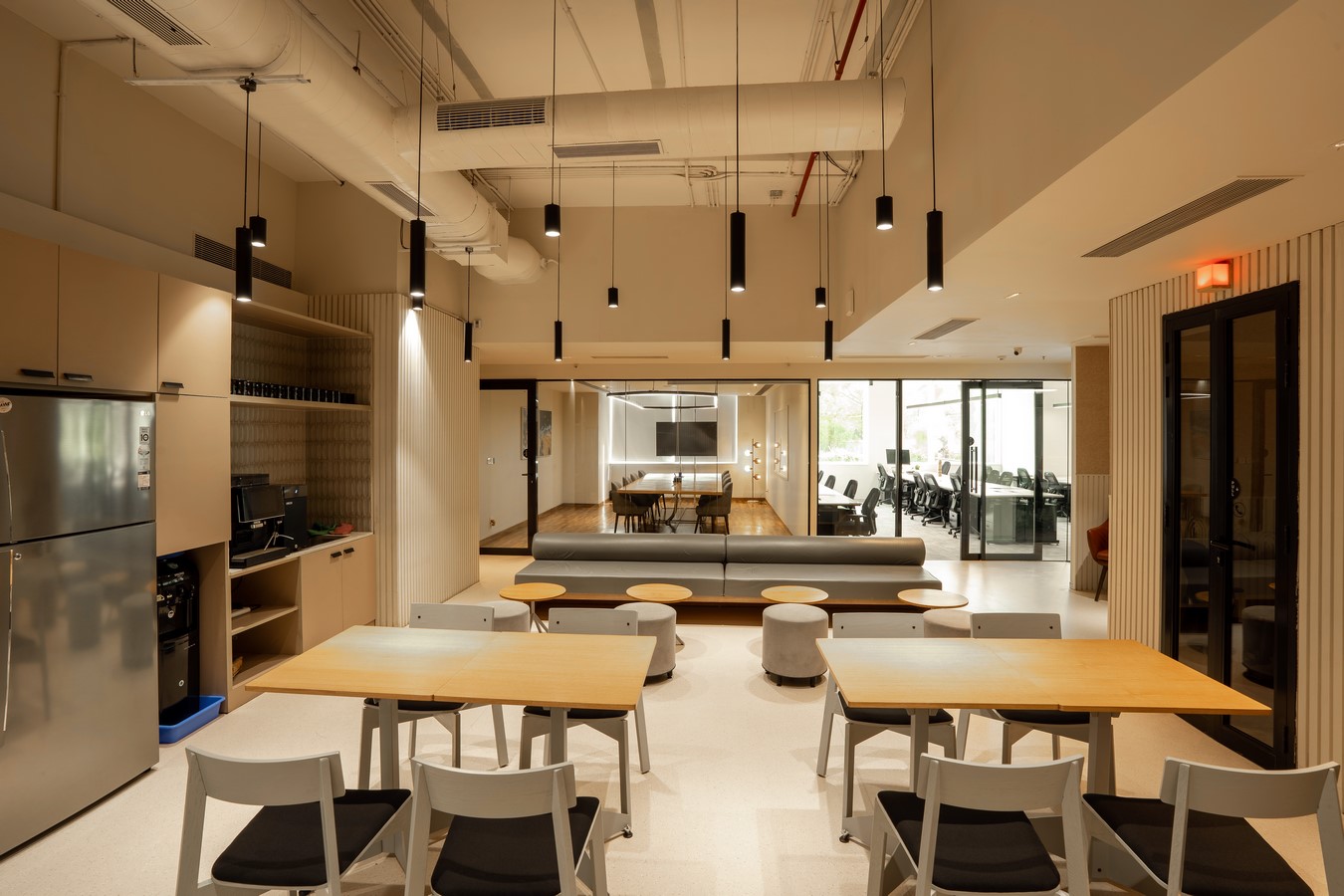
Hereby, the future of commercial design is a return to intentionality. It is a disciplined, biophilic, and technologically precise approach that proves that when we design for the human spirit, productivity and sustainability follow naturally.