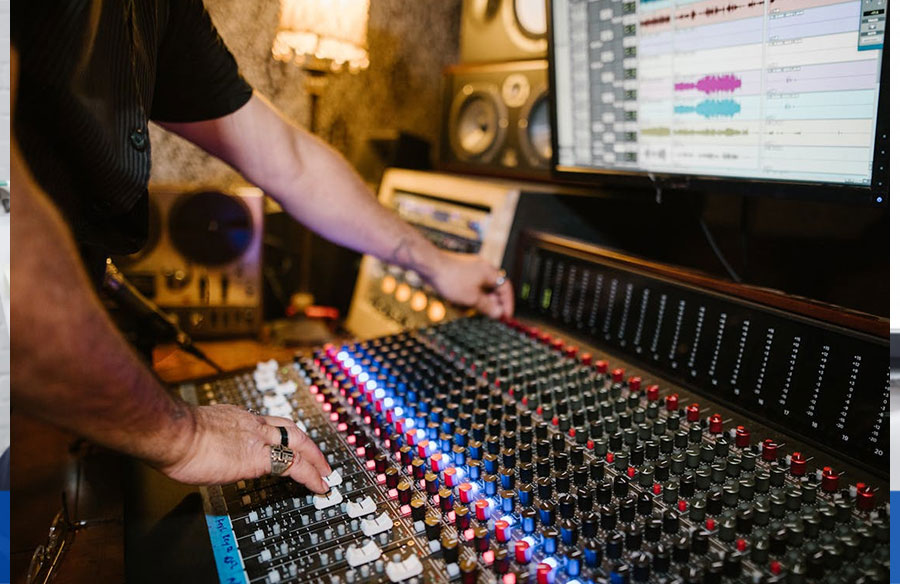
You probably notice visuals first when you open an app or website. Colors. Layout. Smooth animations. All that shiny UI stuff. But sound? Sound is the sneaky layer. The invisible mood-setter. It is the difference between a calm productivity app and one of those chaotic mobile games that basically yells at you the second your finger touches the screen.
Think about it for a second. Open a meditation app and you hear a soft ambient loop in the background. Your brain instantly goes, okay… we are relaxing now. No instructions needed. Or take something as small as a button sound. A quick, crisp click when you press it. Tiny detail, but suddenly the interface feels responsive, almost alive. Like it actually notices you.
Even tiny notification sounds can change how you feel about a product. Designers have known this for years, but creating the right soundscape used to be a pain. Expensive composers. Licensing headaches. Endless revisions.
Now AI has entered the chat – and things are getting interesting.
Digital spaces are starting to sound alive
Most digital environments used to treat audio like decoration. Add a few sound effects, maybe some background music, done. But modern apps, games, and virtual worlds want something more dynamic. They want atmosphere. Something that reacts to you.
Imagine opening a productivity app and the music slowly becomes more focused as you work longer. Or a game where the soundtrack adapts to how you explore the map. Not pre-recorded tracks, but sound that evolves in real time.
That level of flexibility used to be hard. Now AI tools are making it ridiculously accessible. Instead of building a fixed soundtrack, designers can generate soundscapes that shift with user behavior. Your scrolling speed, your actions, even the time of day can influence what you hear.
Basically, the interface is no longer silent. It has a personality.
AI is turning sound design into a playground
Here is where things get fun. A few years ago, if you wanted original music for a project, you basically had two options. Hire someone with a studio or dig through endless stock libraries hoping something kind of works. Not exactly a dream workflow.
Now things are way more relaxed. You can open a tool, type a quick idea, tweak a couple settings, and boom – you already have something that sounds like it actually belongs in your product.
For instance, an AI music generator can spit out ambient loops, soft UI sounds, or even full background tracks in minutes. The funny part is that a lot of designers used to avoid audio completely. Too technical, too expensive, too time-consuming. Now those same people are experimenting just for fun.
And when lots of creators start playing with sound, the whole internet gets more personality. Instead of hearing the exact same stock click or menu sound everywhere, platforms can develop their own vibe. You open an app and recognize it instantly. Not just visually – your ears catch it too.
Atmosphere beats volume
For a long time, apps behaved like that one friend who thinks yelling makes a joke funnier.
Notification sounds were loud. Games blasted music the second they opened. Random videos started screaming through your speakers in the middle of a quiet room. Total chaos.
Design is slowly growing up though. These days subtlety wins.
Good sound design is not about grabbing attention every two seconds. It is more like lighting in a room. You rarely stare at the lamps, but the whole mood depends on them.
Audio works the same way. A soft interface click can make something feel polished. A calm background layer can make an app feel safe to spend time in.
And this is where AI tools help a lot. They make experimentation fast. Designers can try different tones, textures, or rhythms without spending days producing audio from scratch. Tiny changes – seriously tiny – can completely shift how a product feels.
A softer click can make an interface feel friendly. A warmer ambient layer can make a platform feel safe. These details matter way more than people think.
The rise of adaptive sound
One of the coolest things about AI driven audio is adaptability. Traditional soundtracks are static. You press play and the track runs exactly the same every time.
AI sound systems can react. They listen to data and adjust the audio environment on the fly. Your behavior becomes part of the composition. And that opens some wild possibilities for digital experiences.
Where you are already seeing this shift
You might not realize it yet, but AI shaped sound design is already creeping into a lot of digital products. Here are a few places where it is starting to make noise:
- Adaptive game soundtracks that shift intensity depending on player actions;
- Focus apps generating background soundscapes that evolve during work sessions;
- Virtual worlds adding dynamic ambience so environments feel more real;
- UI systems creating unique interaction sounds instead of repeating the same click;
- Social platforms experimenting with personalized audio atmospheres.
None of these ideas are technically impossible without AI. They were just slow and expensive to build. AI removes that friction. Suddenly designers can test twenty sound ideas instead of two.
And when experimentation becomes cheap, creativity goes wild.
The risk of everything sounding the same
Of course, there is a potential downside. You know this vibe. The same ambient pads. The same soft UI blips. The same “calm tech startup” soundtrack everywhere.
That is why creative direction still matters a lot. AI gives you options, but you still have to choose something interesting. The designers who treat sound like a real design material will stand out. The lazy ones will just hit generate and call it a day. And trust me, users can feel the difference even if they cannot explain it.
The future internet might actually sound good
For most of its history, the internet was pretty quiet. Or annoying. Not much in between. Now we are entering an era where digital spaces can have real atmosphere. Not just visuals, but mood. Texture. Sonic identity.
Apps might feel like places instead of tools. Games might blur further into living worlds. Even simple productivity platforms could have subtle sound environments that help you focus instead of stressing you out.