A beautiful smile plays an important role in maintaining good oral health, and straight teeth do much more than improve appearance. When your teeth are properly aligned, it becomes easier to clean them, which helps protect your gums, jaw, and overall oral health.
Because every smile is different, there are several orthodontic treatments available today, each designed to address specific needs. Your dentist can guide you through these options and explain how they differ based on your condition and goals.
In this guide, you’ll explore some of the most common orthodontic treatment options, understand how each one works, and compare their benefits so you can make a confident and informed decision about your treatment.
Choosing the Best Orthodontic Treatment for You
Deciding between braces, clear aligners, or at-home teeth straightening depends on several factors:
- Severity of Misalignment: Complex cases may still require traditional braces. Mild to moderate cases can often be corrected with clear aligners.
- Lifestyle Considerations: Adults and professionals often prefer clear aligners for aesthetics and convenience. Children and teens may benefit more from braces for compliance reasons.
- Oral Hygiene Needs: Clear aligners support better hygiene because they are removable, reducing the risk of gum inflammation.
- Timeline and Commitment: Braces typically require more frequent office visits, while aligners and at-home options offer flexible schedules but demand discipline in wearing trays for the recommended hours each day.
Understanding Orthodontic Treatment Options
Orthodontic care has evolved significantly. Today, you can choose from traditional braces, clear aligners, and even at-home teeth straightening solutions. Each method offers unique advantages depending on your dental structure, lifestyle, and long-term goals.
At-Home Clear Aligners (H3)
At-home teeth straightening with clear aligners has reshaped how people correct teeth alignment. It is one of the most popular invisible orthodontic treatment options. Impressions or scans are taken, a digital plan is created, and custom aligners are shipped to you.
Lifestyle disruption stays minimal, making them appealing for people who want to straighten their teeth without frequent clinic visits. Talking about costs, it is one of the most affordable options, costing between $750 and $1300. They are best for mild to moderate cases.
Benefits include:
- Virtually invisible and removable for meals and oral care.
- Comfortable with minimal irritation to gums.
- Trackable progress with digital monitoring in some systems.
Clear aligners are ideal for mild to moderate misalignment. However, their effectiveness relies on patient compliance, as they must be worn 20–22 hours a day.
Traditional Braces
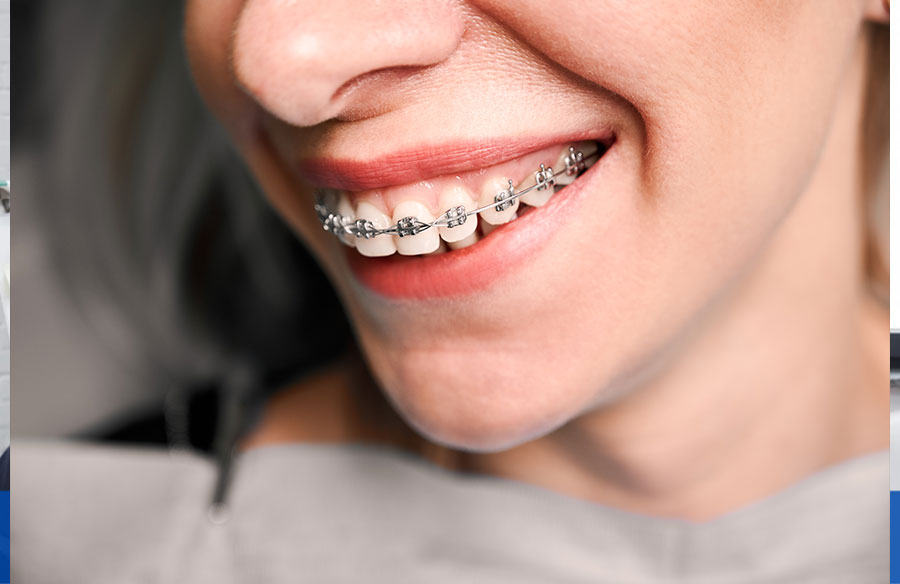
Metal braces are the classic orthodontic system. They are metal or ceramic devices fixed to teeth and connected with wires, gradually shifting teeth into proper alignment. Braces are highly effective for complex dental issues, such as severe misalignment, crossbites, and overcrowding. On average, traditional braces cost around $3000 to $7000.
Advantages of braces:
- Suitable for all ages.
- Highly effective for complex alignment issues.
- Fixed appliance ensures consistent treatment progress.
Limitations include the visible appearance and some restrictions on diet. Braces require regular visits to an orthodontist for adjustments.
In-Clinic Clear Aligners
In-clinic aligners provide discreet trays combined with professional orthodontic supervision. Digital scans are taken chairside, creating a personalized and accurate treatment plan. Dentists or orthodontists monitor progress closely and make refinements when necessary. Many adults choose this option for minimal visibility during their treatment.
The main trade-off is cost, typically ranging from $3,000 to $8,000. Trays remain removable, allowing comfortable eating, brushing, and daily life routines. Overall, in-clinic aligners balance convenience, aesthetics, and expert care for effective results.
Lingual Braces
Lingual braces are another invisible teeth straightening option. It is a wire that is attached to the inner surfaces of teeth, facing the tongue. From the outside, they are totally invisible, making them highly discreet. Functionally, they operate like traditional braces, applying continuous pressure through wires and brackets.
Many people choose them for fixed orthodontics without visible metal on their smile. The customization required makes treatment more expensive, usually between $8,000 and $13,000. Despite the cost, lingual braces are highly effective for those prioritizing invisibility.
Ceramic Braces
Ceramic braces use tooth-colored or translucent brackets instead of traditional metal. This allows them to blend naturally with enamel while functioning like standard braces. They are popular among teens and adults who want fixed treatment with less visibility.
For moderate to complex cases where aligners aren’t suitable, ceramic braces offer a balance between aesthetics and effectiveness. Treatment typically costs between $4,000 and $8,000, providing a discreet yet reliable solution.
Deciding Between Braces and Clear Aligners
When deciding between braces vs clear aligners, consider the following factors:
- Severity of the Issue: Braces are better suited for complex alignment problems, while clear aligners are effective for mild to moderate cases.
- Lifestyle and Comfort: Clear aligners offer freedom for eating and oral care, whereas braces require dietary adjustments and careful cleaning.
- Commitment to Compliance: Aligners demand discipline. Missing a few hours each day can delay progress, whereas braces are fixed and continuously work.
- Aesthetic Preference: Adults and professionals often prefer invisible aligners due to their discreet appearance.
A consultation with an orthodontist will help determine which option aligns best with your dental needs and lifestyle.
Wrap Up
Ultimately, choosing the best orthodontic treatment options requires evaluating your oral health, lifestyle, aesthetic preferences, and long-term goals. Traditional braces remain the gold standard for severe alignment issues, while clear aligners and at-home teeth straightening provide effective, discreet, and flexible solutions for those seeking subtle corrections.
Consulting with a qualified orthodontist ensures a personalized plan that maximizes both aesthetics and oral health.
Investing in the right teeth straightening options today not only enhances your smile but also protects your teeth, gums, and jaw for decades. With modern advancements in orthodontics, achieving a healthy, radiant smile is more accessible than ever, whether you choose braces, clear aligners, or at-home teeth straightening.
FAQs
Q: How does orthodontic treatment impact long-term oral health?
A: Proper orthodontic treatment aligns teeth and jaws, improving bite function, reducing wear, and preventing periodontal disease. It also enhances the ability to clean teeth effectively, minimizing long-term dental issues.
Q: How do I know if I need braces or clear aligners?
A: A consultation with an orthodontist or dentist can determine the best course. Complex misalignment often requires braces, while mild crowding or spacing may be addressed with clear aligners or at-home solutions.
Q: Which orthodontic option lasts longer: braces or aligners?
A: Both offer permanent results when combined with consistent retainer use. The longevity depends on patient compliance and proper post-treatment care.
Q: Are clear aligners better than braces for long-term dental health?
A: Clear aligners reduce the risk of oral hygiene issues during treatment, making them a favorable option for long-term dental health, especially in adults.
Q: Is early orthodontic treatment better for lifelong results?
A: Yes. Early treatment guides jaw growth and prevents severe misalignment, ensuring stability and reducing the need for extensive adult treatment.