Cities continue to evolve as mobility patterns change. Public transportation networks expand, cycling infrastructure grows, and new mobility services appear in many urban areas. Yet private vehicles still play a meaningful role in how people move through cities.
Car ownership is not only a personal decision. It also affects how urban spaces function. The way drivers maintain, operate, and manage their vehicles can influence congestion, safety, environmental quality, and the efficiency of city infrastructure.
Responsible vehicle ownership therefore has a broader impact than many people realize. Individual choices behind the wheel often shape the daily experience of urban life.
Understanding the Role of Private Cars in Urban Mobility
Private vehicles remain an important part of many transportation systems. In many cities, they provide flexibility that public transit cannot always match. Families often rely on cars for school commutes, errands, and activities that require multiple stops throughout the day.
For professionals, cars can provide access to job opportunities across wider metropolitan areas. Some neighborhoods still lack efficient transit connections, making personal vehicles essential for daily travel.
At the same time, the presence of cars introduces challenges for urban environments. High traffic volumes can lead to congestion, longer commute times, and increased pressure on road infrastructure. Parking demand can also shape how cities allocate valuable space.
Urban planners continue to balance these competing needs. The goal is to support mobility while maintaining safe and functional public spaces.
How Driving Habits Shape Urban Traffic and Safety
Driving behavior plays a direct role in how smoothly cities operate. Responsible driving habits can improve traffic flow and reduce strain on road networks.
For example, maintaining steady speeds helps traffic move more efficiently. Sudden braking and aggressive acceleration often cause ripple effects that slow surrounding vehicles. In dense urban areas, these small disruptions can quickly lead to larger traffic delays.
Safety is another important factor. Cities with safer driving cultures often experience fewer accidents and less congestion caused by road incidents. Pedestrians, cyclists, and public transit users also benefit from safer streets.
Urban mobility depends on shared space. Responsible driving allows that space to function more effectively for everyone.
Financial Responsibility and Urban Sustainability
Responsible vehicle ownership also includes financial awareness. Maintaining a car involves more than fuel and basic maintenance. Drivers must plan for registration, repairs, and protection against unexpected events.
Financial responsibility helps ensure that vehicles remain properly maintained and safe for use in urban environments. Poorly maintained cars may contribute to higher emissions, mechanical failures, and safety risks on crowded streets.
Drivers who review their coverage and ownership costs often find opportunities to improve their long-term planning. Some urban drivers take time to compare car insurance policies as part of this process, ensuring their protection aligns with both their financial situation and their driving habits.
Thoughtful planning helps drivers manage their vehicles without creating unnecessary financial strain.
Vehicle Maintenance and Environmental Impact
Regular vehicle maintenance plays a critical role in reducing the environmental footprint of urban transportation.
Well-maintained engines operate more efficiently and produce fewer emissions. Proper tire pressure improves fuel efficiency and reduces wear on road surfaces. Routine inspections can also identify mechanical issues before they lead to larger problems.
These small actions contribute to cleaner urban environments. In cities where thousands of vehicles operate daily, even minor improvements in efficiency can lead to noticeable reductions in pollution.
Maintenance also extends the life of a vehicle. When cars remain reliable for longer periods, fewer resources are required for frequent replacements. This supports broader sustainability goals within urban mobility systems.
Responsible Parking and Urban Space Management
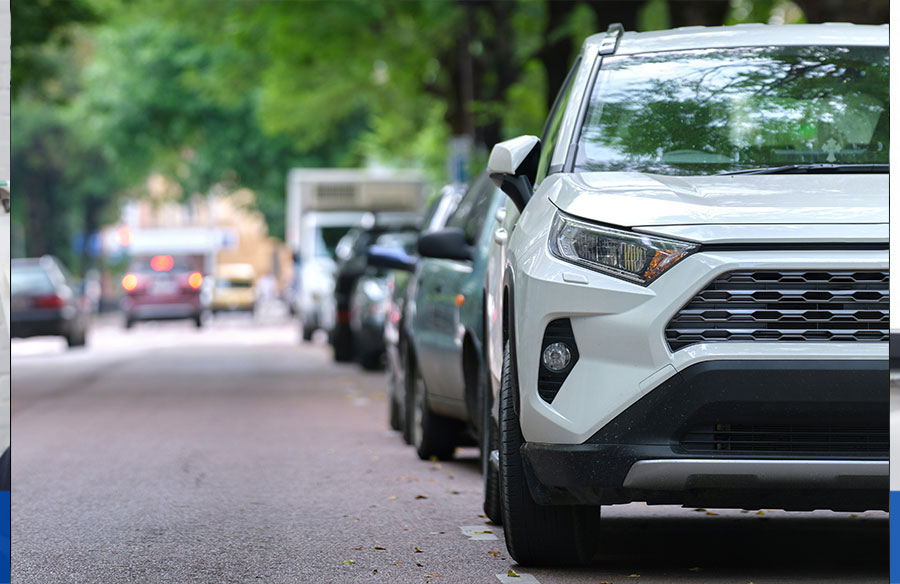
Parking is one of the most visible ways vehicle ownership interacts with urban design. In dense cities, space is limited. Every parking decision can affect traffic flow and accessibility.
Improper parking can block sidewalks, reduce visibility at intersections, and disrupt public transit routes. It can also create congestion when vehicles stop in restricted areas.
Responsible parking habits help cities function more efficiently. Using designated parking areas, respecting time restrictions, and avoiding illegal parking all contribute to smoother traffic movement.
Urban planners continue to experiment with new parking strategies. Structured parking facilities, smart parking systems, and improved zoning policies all aim to balance vehicle needs with limited urban space.
Drivers play an important role in supporting these systems through responsible behavior.
Rethinking Car Ownership in Future Cities
Cities are gradually expanding transportation options beyond traditional car ownership. Public transit networks are growing, while micromobility options such as bicycles and electric scooters are becoming more common.
Shared mobility services also allow residents to access vehicles when needed without owning one full-time.
These changes are encouraging many people to rethink how and when they use personal vehicles. Responsible car ownership does not necessarily mean driving less. Instead, it means using vehicles thoughtfully within a broader mobility system.
Some urban residents combine multiple transportation options. A car may be used for certain trips, while public transit or cycling may serve daily commuting needs.
This balanced approach supports more flexible and efficient urban transportation systems.
The Collective Impact of Individual Drivers
Cities operate as complex systems shaped by millions of daily decisions. Individual drivers contribute to these systems in meaningful ways.
Safe driving habits reduce accidents and improve traffic flow. Regular vehicle maintenance supports cleaner air and safer roads. Responsible parking helps maintain access to shared public space.
None of these actions seem dramatic on their own. Yet when thousands of drivers adopt these habits, the impact becomes visible across entire cities.
Urban mobility improves. Streets become safer. Infrastructure operates more efficiently.
Responsible vehicle ownership therefore extends beyond personal convenience. It represents a shared commitment to making cities work better for everyone who lives in them.
Conclusion
Private vehicles remain a key component of modern urban mobility. At the same time, their presence creates responsibilities for those who operate them.
Responsible vehicle ownership involves thoughtful driving, proper maintenance, financial awareness, and respect for shared urban space. These habits help reduce congestion, improve safety, and support cleaner environments within cities.
As urban mobility continues to evolve, individual drivers will remain part of the solution. Small decisions made every day can contribute to transportation systems that are safer, more sustainable, and better suited for the cities of the future.