Home solar energy systems have become increasingly popular over the years, but many owners are still making mistakes that kill their ROI. Here are some of those mistakes, along with ways to avoid them.
1. Not Understanding Your Energy Needs
The first mistake many new owners make is not fully understanding their own energy needs. Whether you are using VoltX Energy for home solar batteries or not, understanding your power needs will help you determine how much to spend and on what.
This will differ from home to home, and getting a professional in to analyze your energy needs and how much you use every day will put you on the right path in deciding what solar power gear you need.
Battery Size
It is also very easy to think you need a large, more expensive battery. Solar batteries and systems are expensive and will often take multiple years of savings to pay off. However, it is often unnecessary to buy the largest battery you can afford, and researching which one best suits your needs is the best way to save money in the long run.
2. Not Enough Solar Panels
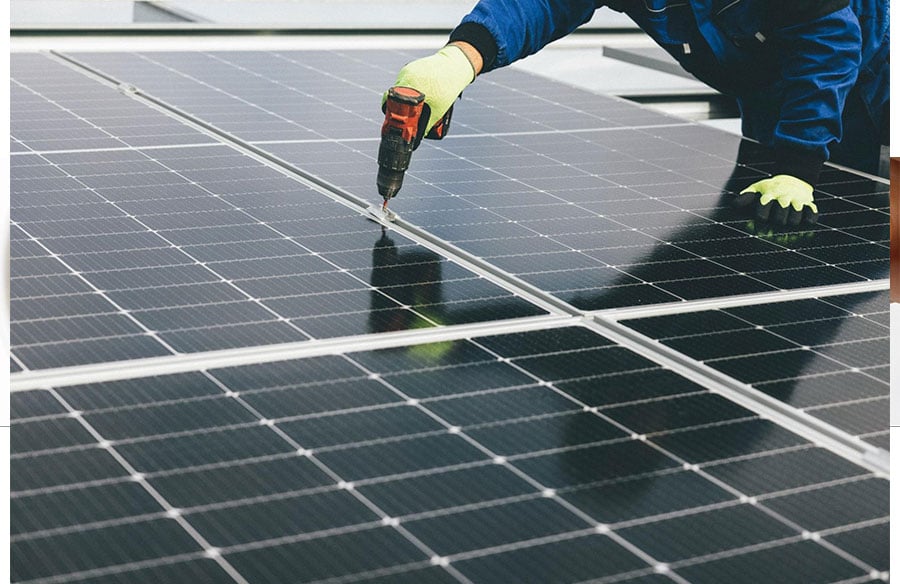
Another mistake new owners make is installing too few solar panels. These panels are what you need to charge your batteries, and not having enough or ones that are big enough will make it nearly impossible to fully charge them.
This is especially important if you live in an area that doesn’t receive a ton of sunlight, as you will want to maximize the amount of sunlight you can store during the day.
3. Buying Cheap
Solar power systems are not the cheapest thing on the planet, but cheap options do exist. However, more often than not, these cheaper options will take shortcuts, and you will feel the effects as the months go on.
Money is often saved on installation costs, and this can have deadly consequences. Lithium-ion batteries generate significant energy and heat, and when they discharge, a poorly installed system can catch fire.
4. Overpaying
On the other hand, overpaying is another common mistake. As mentioned, solar power systems can take years to pay for themselves, and for every dollar you overspend, you add more time.
More often than not, overpaying will happen when an expert or team quotes you for more than you need. This is why conducting a separate evaluation of your needs will give you a basis to work from when getting a quote for a system.
 5. Time-of-Use Electricity Rates
One thing to always keep in mind is time-of-use electricity rates. Time-of-use rates, in simple terms, are electricity rates that change throughout the day based on usage and demand.
When it comes to solar power, the best way to save money is to store up cheap daytime power and then use it at night when rates are often higher as demand increases. This also applies in winter, when heating is used heavily in the evening.
6. Battery Lifespan
Saving money in relation to using solar power is, in simple terms, when you have paid off the cost of the equipment with the money you have saved by not buying electricity. This is important to remember when considering the battery’s cost relative to its lifespan.
The typical lifespan of a battery is around 10 to 15 years. This means the cost needs to be balanced accordingly. As in, if the savings you make will pay off the battery in 20 years, then it is too expensive for you to buy.
7. Smart Energy Management
When it comes to choosing a system, you should never pass on getting a more modern model. Back in the day, there was a lot of manual management required to get the most out of your battery and save money.
However, nowadays, many modern systems have smart energy management. This means they can charge batteries and do it during cheaper power times, discharge during peak hours, and also self-optimize.
 8. Maintenance Needs & Costs
Finally, you need to be aware of all the maintenance needs and costs associated with every part of your solar system. Whether it is the panels, the battery system, cabling, or anything in between, you need to know when maintenance is needed and how much it will cost.
Think of it like buying clothes, which is the better option between a shirt that costs $200 and lasts five years, or a shirt that costs $50 but only lasts one year. Maintenance is also often tied to the quality of the equipment you buy; more modern, high-quality equipment is often more expensive to repair and maintain.
In conclusion, a solar power system is a great way to save money in the long-run. However, you need to avoid the mistakes listed above, or your solar power investment will quickly become a money pit. But fear not, this does not have to be the case if you take the right steps.