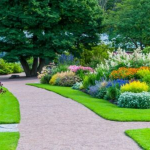
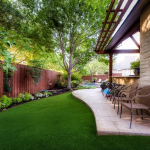
The architecture and design sector is undergoing a remarkable change. Recently, the trend of using luxurious artificial landscaping has been spreading in upscale residences, office buildings, hotels, and also public areas.
Artificial plants which were always considered as cheap copies of real plants are now some of the biggest names in design. Contemporary synthetic landscaping is so realistic, it can last for years and even eliminate certain issues that natural plants can’t handle.
Designers are noticing this, and rightly so. Read on to find out why high-quality artificial landscaping is the standard in current architectural design.
The Aesthetic Appeal of Artificial Landscaping
Artificial landscaping has changed a lot in the last decade. Nowadays, premium products are made with astounding attention to details. The color of the leaves varies naturally. They have realistic textures and minor defects that make them fit for realistic qualities.
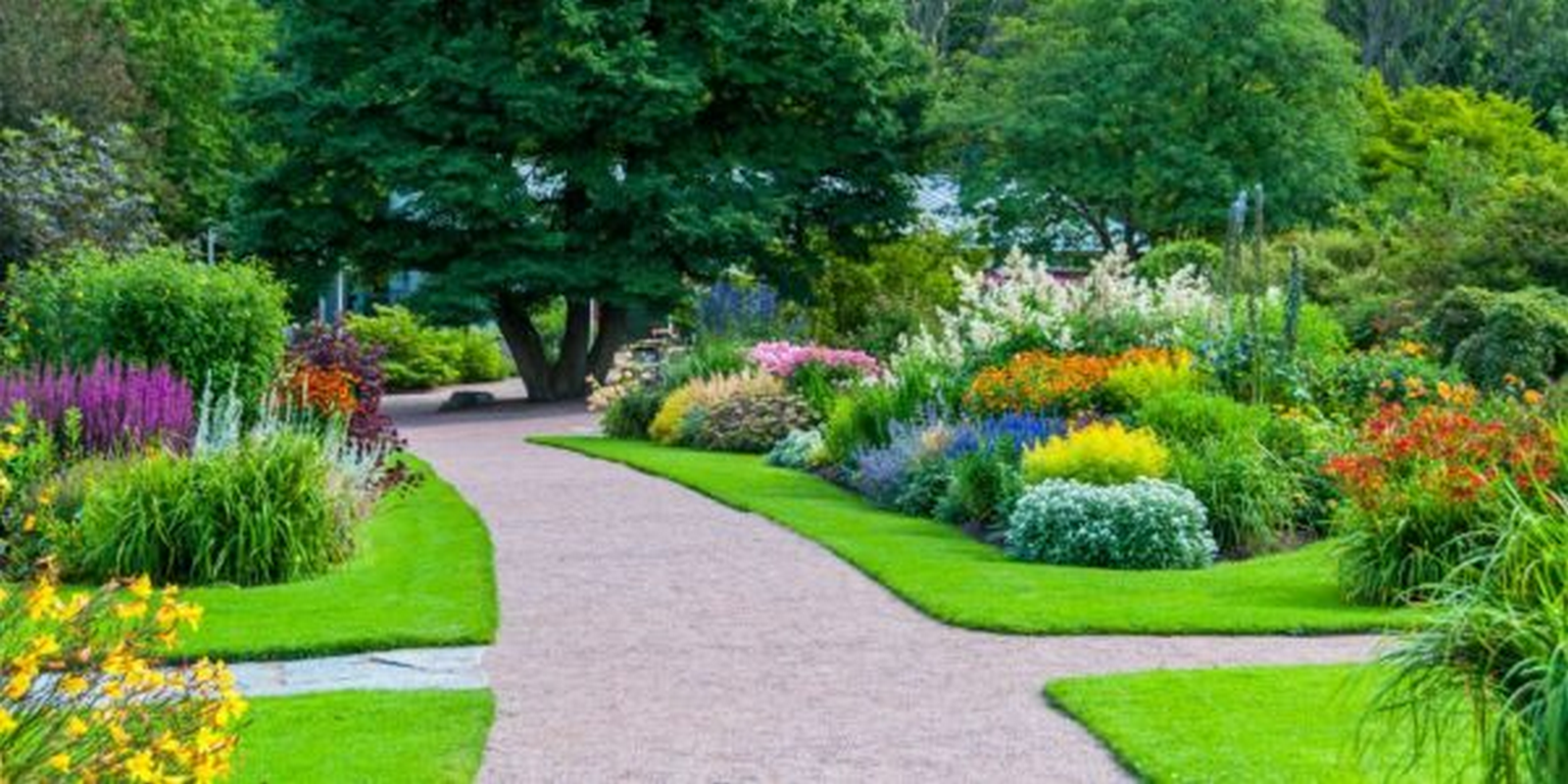 There are now many different styles and designs available. Whatever the modern office requires: a sophisticated, minimalist moss wall, outdoor palm trees, or an artificial olive tree, there is an artificial landscaping option available for every possible requirement.
With hundreds of types, colors, and arrangements available, they can create exactly what they envision. Natural landscaping doesn’t necessarily give the same creative control as artificial landscaping.
Low Maintenance Benefits
Artificial landscaping requires very little work once it has been installed. Plants need to be watered, pruned, fertilized and protected. Large commercial and architectural projects quickly accumulate this maintenance issue – quickly meaning a lot of time and money.
The ongoing maintenance is eliminated with the help of artificial landscaping which is great for clients with large properties or busy areas.
Premium artificial plants are made to last as well. High-end outdoor materials resist fading from UV light, or wilting and dropping leaves due to humidity or drought. The quality has improved dramatically. A good quality replica installation can look just as good after 10 years as the first day, which a natural plant cannot guarantee.
Environmental Considerations
At first, artificial landscaping may not seem like the “green” option. However, when you take a closer look, the environmental advantages are real. Large commercial projects that include natural landscaping can use an enormous water supply.
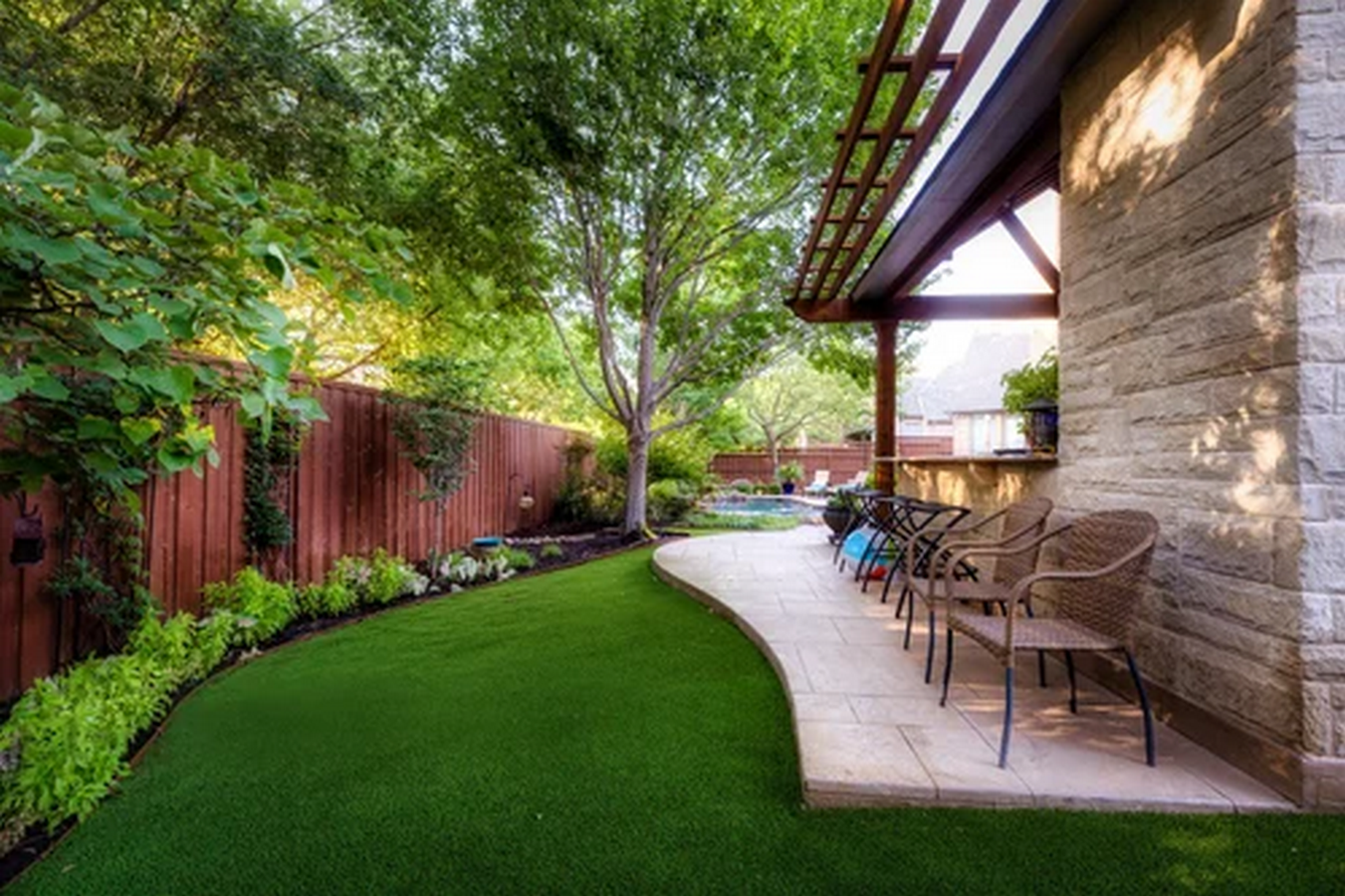 Artificial landscapes do not use anything. This is not only convenient, but responsible in areas where droughts and water shortage occur.
They also don’t require the application of pesticides, herbicides, and fertilizers, all of which can easily run off into local waterways. For architects interested in sustainable construction, the removal of these toxins is a positive step.
When combined with other green building strategies, premium artificial landscaping can help achieve the sustainability goals of a project.
Versatility in Design
Versatility is another exciting thing about premium artificial landscaping that makes it so tempting. Architects aren’t restricted by ground conditions, sunlight, and climate of place. A rooftop garden in a frigid northern city can look very much like one in Miami.
A concealed lobby without natural light can still have a magnificent living wall. Architects can create audacious green designs in installations where nature would hardly allow vegetation to thrive.
Artificial landscaping can also work with any architecture, besides compact doors for small spaces, glass walls, or rustic furniture. They can be set up indoors, outdoors, on walls, in planters, or suspended from ceilings. This flexibility makes it one of the best design tools in the architect’s box of tricks.
Cost-Effectiveness
Undoubtedly, the premium artificial landscaping comes at a considerably higher price than the plastic plants that are cheap. But, the overall cost of natural landscaping through the years often weighs differently when you compare the two.
The continuous expenditure on water, maintenance crews, seasonal replanting and replacements of dead plants are required. The costs keep on increasing every year.
On the other hand, the bulk of the investment in artificial landscaping is one off. Once you install it, you hardly spend anything going forward. To save some extra bucks, you can find an artificial trees manufacturer china with a wide range of faux trees with different materials and finishes.
Clients who manage commercial properties, hotels or large residential developments find this type of long-term cost predictability very appealing. A property that has a gorgeous landscape will get higher rents and better reviews. And, it also attracts stronger resale interest.
Technological Advancements
The technology is the reason that premium artificial landscaping looks fantastic these days. Owing to material science advancements, synthetic fibers, fabrics, and polymers are designed to closely look like real leaves.
 UV-protective coatings preserve color for years. Chemical fire-retardant safety treatments make installations safe for indoor commercial use. The quality of today’s best product craftsmanship is quite impressive.
The future of artificial landscaping is going to be very bright. Designers embed LED light systems in branches, and use sensors to adjust color and mood lighting over the course of the day in their installations.
As 3D printing and custom fabrication keep getting better, architects will have more chances to design unique installations for special projects. The distinction between natural and artificial will increasingly become more challenging to discern.
Conclusion
Artificial Landscaping has come a long way since the days of plastic ferns. Today, these faux plants have become more beautiful, tougher, flexible and provide better value than natural plants. They offer architects great scope.
It helps you save water, reduce maintenance costs, adapt to any atmosphere perfectly, and enhance the look of surrounding areas.
These are not small advantages. They are the kinds of benefits that make a real difference in how a building looks and performs over time.