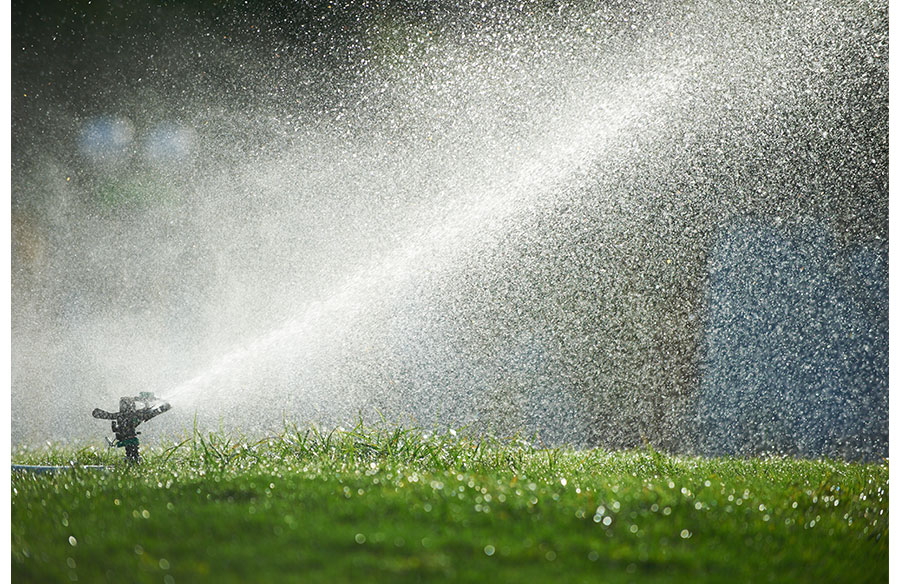
Installing a sprinkler system can transform how you care for your lawn and landscape. Instead of dragging hoses around the yard or guessing how much water your grass needs, a properly designed irrigation system delivers consistent watering exactly where it’s needed. For homeowners in North Texas, where summers can be long and dry, a reliable sprinkler system helps keep lawns healthy while also improving water efficiency.
Before installing a sprinkler system, however, there are several important factors homeowners should understand. The design of the system, the layout of the property, soil conditions, and water conservation considerations all play a role in how well the system performs over time.
At Efficient Irrigation Systems, we help homeowners throughout Collin County and Grayson County, TX install irrigation systems that are designed to keep landscapes healthy while minimizing water waste. If you’re considering a new sprinkler system, here are several key things every homeowner should know before installation begins.
Your Yard Layout Matters More Than You Think
One of the biggest factors in sprinkler system performance is the layout of your property. Every yard is different, and irrigation systems should be designed around the specific shape, size, and landscaping features of your property.
Before installation, irrigation professionals evaluate several details including:
- Lawn size and shape
- Landscape beds and plant locations
- Trees and large shrubs
- Slopes or elevation changes
- Driveways, sidewalks, and hardscape areas
Proper sprinkler placement ensures that water reaches all parts of the lawn without spraying sidewalks, fences, or driveways. When a system is poorly designed, some areas receive too much water while other areas remain dry.
Professional irrigation planning ensures that your lawn receives balanced watering coverage across the entire property.
Soil Type Plays a Major Role in Irrigation
The type of soil on your property affects how water is absorbed and retained. In North Texas, many properties contain heavy clay soil. Clay soil absorbs water slowly, which means overwatering can easily lead to runoff or pooling.
Understanding soil conditions helps determine:
- Sprinkler run times
- Watering frequency
- Sprinkler head types
- Irrigation zone design
When irrigation systems are designed with soil conditions in mind, they can water efficiently without flooding or wasting water.
Irrigation Zones Are Essential for Proper Watering
Most sprinkler systems are divided into multiple zones. Each zone controls a specific section of the landscape, allowing different areas of the yard to receive the amount of water they need.
For example, grass areas typically require different watering schedules than flower beds or shrubs. Without proper zoning, plants can be overwatered while lawns may not receive enough moisture.
A well-designed sprinkler system might include zones such as:
- Front lawn irrigation
- Backyard irrigation
- Landscape beds
- Garden areas
- Shaded zones
Separating irrigation into zones allows the system to provide precise watering based on the needs of each area.
Water Efficiency Should Always Be a Priority
Water conservation is becoming increasingly important, especially in areas where water restrictions may occur during dry seasons. Modern sprinkler systems are designed to deliver water efficiently while reducing unnecessary waste.
Several irrigation technologies help improve efficiency:
- Smart irrigation controllers
- Rain sensors that prevent watering during rainfall
- Drip irrigation systems for landscape beds
- High-efficiency sprinkler heads
These systems ensure that water is used responsibly while maintaining healthy landscaping.
Efficient irrigation not only helps protect natural resources but can also reduce water bills over time.
Professional Installation Makes a Big Difference
While some homeowners consider installing sprinkler systems themselves, professional installation often results in better long-term performance.
Experienced irrigation professionals understand how to design systems that account for:
- Water pressure levels
- Soil absorption rates
- Lawn layout and plant needs
- Drainage considerations
- Proper sprinkler head spacing
A professionally installed system also reduces the likelihood of underground leaks, uneven watering, or inefficient water distribution.
At Efficient Irrigation Systems, our team designs irrigation systems that are customized to each property. This ensures homeowners receive reliable performance and efficient watering from the start.
Drainage Should Be Considered Alongside Irrigation
Many homeowners focus only on irrigation when planning their landscape, but drainage is just as important. Without proper drainage, water from irrigation or rainfall can accumulate in certain areas of the yard.
Standing water can lead to several problems including:
- Lawn damage
- Soil erosion
- Landscape plant stress
- Mosquito breeding areas
- Potential foundation concerns
Installing drainage systems such as French drains, channel drains, sump pumps, or yard drainage systems can help move excess water away from problem areas.
Combining irrigation with proper drainage ensures that landscapes remain healthy without becoming oversaturated.
Maintenance Is Necessary for Long-Term Performance
Even the best sprinkler systems require occasional maintenance. Over time, sprinkler heads can become damaged, pipes may develop leaks, and irrigation controllers may need adjustments.
Regular maintenance helps keep irrigation systems functioning properly and prevents small problems from turning into larger repairs.
Typical sprinkler system maintenance includes:
- Checking sprinkler head alignment
- Inspecting for leaks
- Testing irrigation zones
- Adjusting watering schedules
- Inspecting valves and controllers
Routine inspections help extend the life of your irrigation system and keep your lawn properly watered.
Landscape Lighting Can Complement Your Irrigation System
While installing irrigation systems, many homeowners also consider upgrading their outdoor spaces with landscape lighting. Professional lighting enhances the beauty of your landscape while improving safety and security around the property.
Landscape lighting can highlight features such as:
- Trees and garden beds
- Walkways and driveways
- Patios and outdoor living areas
- Architectural features
When installed alongside irrigation systems, landscape lighting can help create outdoor spaces that remain functional and visually appealing both day and night.
Choosing the Right Irrigation Company Matters
Selecting the right irrigation contractor is one of the most important decisions when installing a sprinkler system. Experienced professionals understand the challenges associated with Texas landscapes and can design systems that perform reliably in local conditions.
Homeowners should look for companies that offer:
- Professional irrigation system design
- Installation experience in North Texas climates
- Knowledge of water conservation practices
- Drainage and irrigation expertise
- Reliable service and support
Working with experienced professionals helps ensure your irrigation system performs efficiently for years to come.
Professional Sprinkler Installation in Collin and Grayson County
Installing a sprinkler system is one of the most effective ways to maintain a healthy lawn while saving time and water. When properly designed and installed, irrigation systems provide consistent watering that supports plant health and enhances the appearance of your landscape.
Efficient Irrigation Systems proudly provides sprinkler installation, sprinkler repair, drainage solutions, and landscape lighting services throughout Collin County and Grayson County, TX. Our experienced team understands the irrigation challenges faced by North Texas homeowners and provides customized solutions designed for long-term performance.
If you’re considering installing a sprinkler system or upgrading your current irrigation setup, our team is ready to help.